
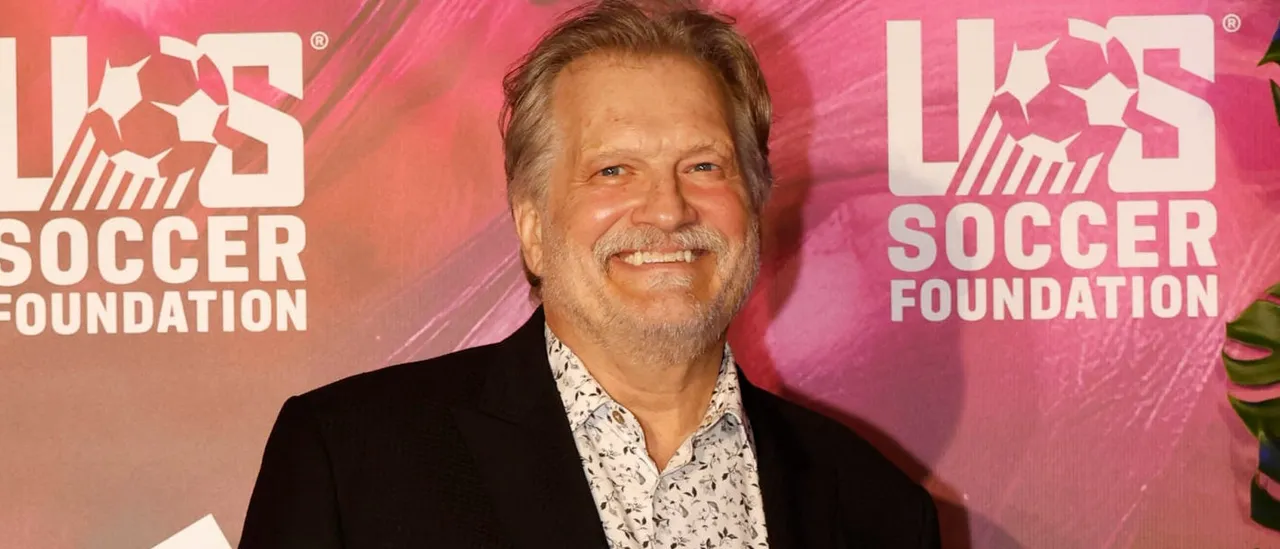
Drew Carey opened up about a nearly catastrophic health scare that started as a jog and ended with a hospital stent, sharing the moment-by-moment decisions that almost cost him his life. He described dismissing warning signs, choosing work over a doctor at first, and then realizing how close he came when the pain returned. The story is a clear reminder that heart trouble doesn’t always look like a dramatic collapse and that prompt action can be the difference between a scare and something far worse.
Carey spoke about the close call on Ted Danson’s podcast, where he walked listeners through the odd mix of symptoms and denial that set the scene. He said he was out trying to lose weight before a taping when things changed quickly and confusingly. The initial signs were subtle but alarming enough to rattle him once he thought them over.
He described wearing a monitor and seeing his heart rate spike while jogging, then feeling numbness that he couldn’t ignore. “So, I had a little chest heart monitor and whatever. And I was jogging down my street, and my heart rate went up to like 160 or something like that, like really crazy, and I was like, ‘Oh,’ And I felt like numb in my shoulder.” Those physiological warnings were there, but a cartoonish idea of a heart attack left him underestimating the danger.
Carey admitted he’d believed heart attacks would be obvious and theatrical, the kind where someone clutches their chest and drops immediately. He said, “[a]ll the things that I read were heart attack symptoms, but I thought if you had a heart attack, you would go ‘ugh’ and fall down like in a cartoon. I thought that’s what happened when you had a heart attack,” and that belief kept him from treating the moment with the urgency it warranted. For a time he tried to manage things himself, slowing down and hoping the problem would pass.
He tried to calm his heart rate and even resumed jogging, only to have the warning signs return with a vengeance. “Oh, that’s really worrisome. Let me slow down.” That brief attempt at self-management showed how easy it is to rationalize risk when symptoms are intermittent. When the episode repeated, the stakes became harder to ignore.
After the second wave of symptoms, Carey called his girlfriend and walked home at a gentler pace, choosing comfort foods and a familiar spot over immediate treatment. He told the story with a mixture of humor and disbelief, recounting how he ordered chili spaghetti and iced tea and joked, “Yeah, after having a heart attack.” Even then, he planned to call his doctor in the morning and went on to work, which in hindsight was a risky decision.
Rehearsal finished, and the pain returned sharper and more insistent, leaving no room for doubt about what needed to happen next. He recalled going to his trailer to call for help and making a decisive call to production: “‘Hey, you have to call the ambulance. I think I’m having a heart attack.’” That phone call finally moved him from uncertainty into medical intervention.
Before leaving, Carey called a close friend to say goodbye in case things turned dire, a moment he described plainly and without melodrama. “So, Sam came over to my trailer, and I go, ‘Hey man, I don’t know what’s happening, but I’m on my way to the hospital,’” he said, adding, “I just wanted to make sure I touched him before I went off because I didn’t know what was going to happen.” He was admitted, had a stent placed, and was released the next day feeling weak but grateful.
Carey has since adjusted his life to prioritize health and reduce risk, noting candidly how nearly losing that day changed his approach. He walked listeners through the thin line between shrugging off symptoms and acting in time, offering a real-world example that heart trouble can be quiet, confusing, and urgent all at once.
