
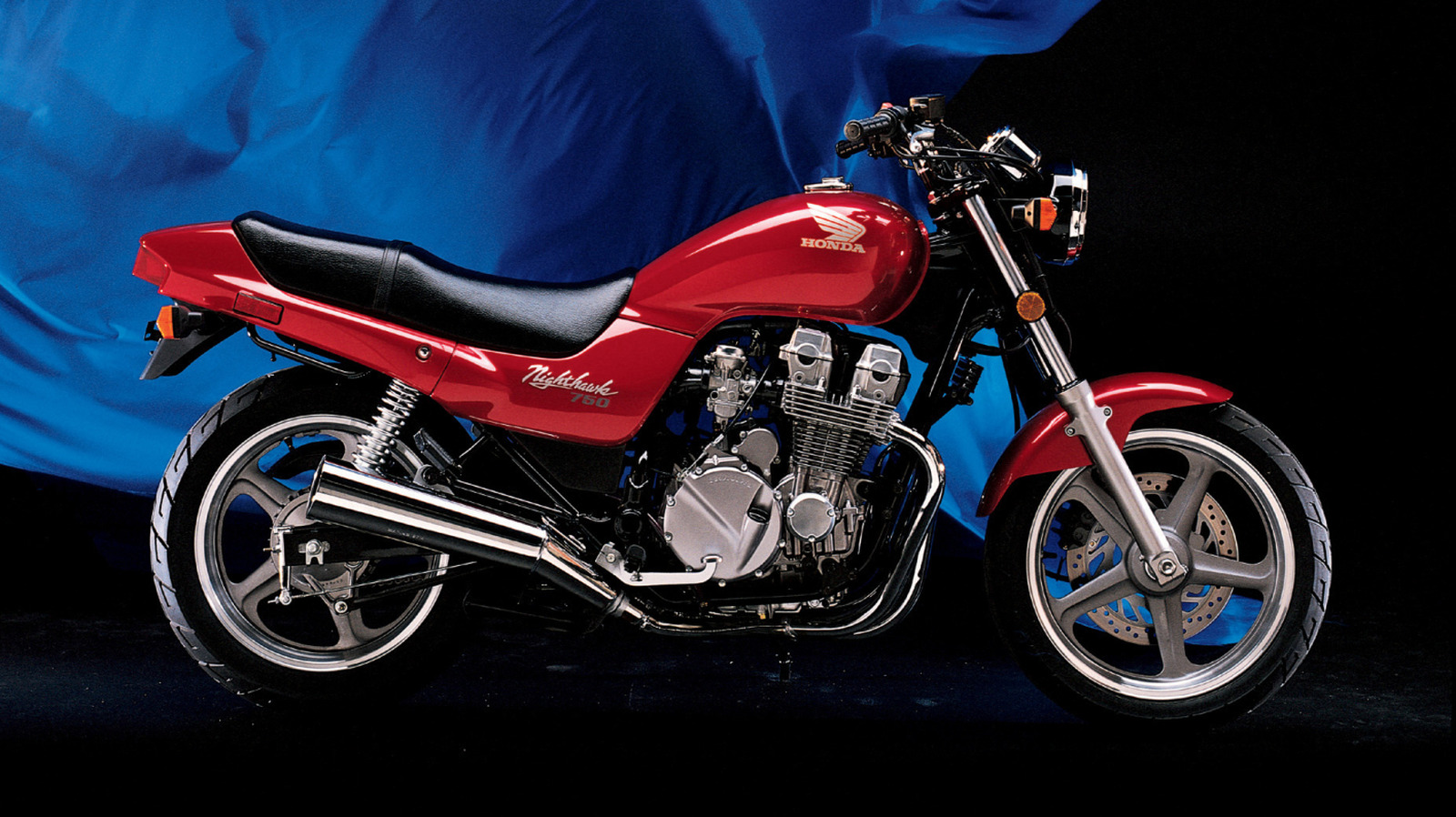
I’ll walk through the core ways car and motorcycle powerplants differ, explain what those differences mean for performance and ownership, and highlight how design choices shape real-world riding and driving without getting bogged down in jargon. You’ll get clear comparisons of engine layout, cooling and fuel systems, how power is delivered, and the trade-offs owners face in cost, maintenance, and character. This piece focuses on the engines themselves and how they shape the machine’s personality and purpose.
Engines in cars and motorcycles often start from the same principles, but they diverge fast in execution and intent. Motorcycles prioritize compactness and a high power-to-weight ratio, so manufacturers cram rev-happy, lightweight engines into tight frames. Cars generally have larger displacement, more cylinders, and extra systems that favor smoothness and packaging over blistering peak revs.
Layout and cylinder count are immediate giveaways to a vehicle’s character. Bikes favor parallel twins, triples, and inline fours because those formats balance size, weight, and vibration control for a compact chassis. Cars commonly use inline-fours, V6s, and V8s to deliver steady torque across a broader rev band and to fit within a larger engine bay that can accept more cylinders and accessories.
Cooling approaches also split along vehicle lines and purpose. Many motorcycles use liquid cooling today, but a surprising number still rely on air-cooled or oil-assisted systems to save weight and complexity. Cars almost universally use liquid cooling with larger radiators, thermostats, and circulation systems that tame temperature swings and support stricter emissions and longevity targets.
How power gets to the road is another stark contrast between the two. Motorcycles use a direct and visceral chain, belt, or shaft drive, keeping the connection mechanical and efficient, which makes the rider feel every shift and surge. Cars mask that connection with multi-gear transmissions, torque converters, or dual-clutch systems that smooth power delivery and prioritize comfort for passengers.
Torque versus horsepower plays out differently in two wheels versus four. Bikes often chase horsepower and high revs for thrilling acceleration in a light package, so peak figures matter to enthusiast riders. Cars usually tune for torque, low-end grunt, and usable power for hauling passengers and cargo, making drivability and fuel economy more important than screaming top-end numbers.
Packaging and safety requirements shape engine choices as much as performance goals. A motorcycle’s engine sits where it can be part of the chassis, influencing center of gravity and handling, while cars hide engines behind crumple zones and sound deadening that add mass and complexity. Those automotive safety layers force engineers to use thicker mounts, bigger cooling loops, and accessories that would be unnecessary on a bike.
Maintenance and longevity expectations differ as well, and that affects how engines are built and priced. Bike engines are designed for periodic, hands-on care — chain adjustments, valve checks, and frequent oil changes are normal and part of ownership culture. Car engines aim for longer service intervals, more electronics, and features like start-stop systems that reduce the frequency of basic maintenance but increase diagnostic complexity.
Finally, sound, feel, and tuning options are part of the engine story you experience every time you start the machine. Motorcycles deliver a raw, immediate connection where exhaust note and vibration are embraced as part of the ride, making aftermarket tuning a big part of the scene. Cars tend to be quieter and more refined from the factory, but they offer broader scope for software tuning, forced induction, and hybridization that delivers performance in ways motorcycles rarely match.
