
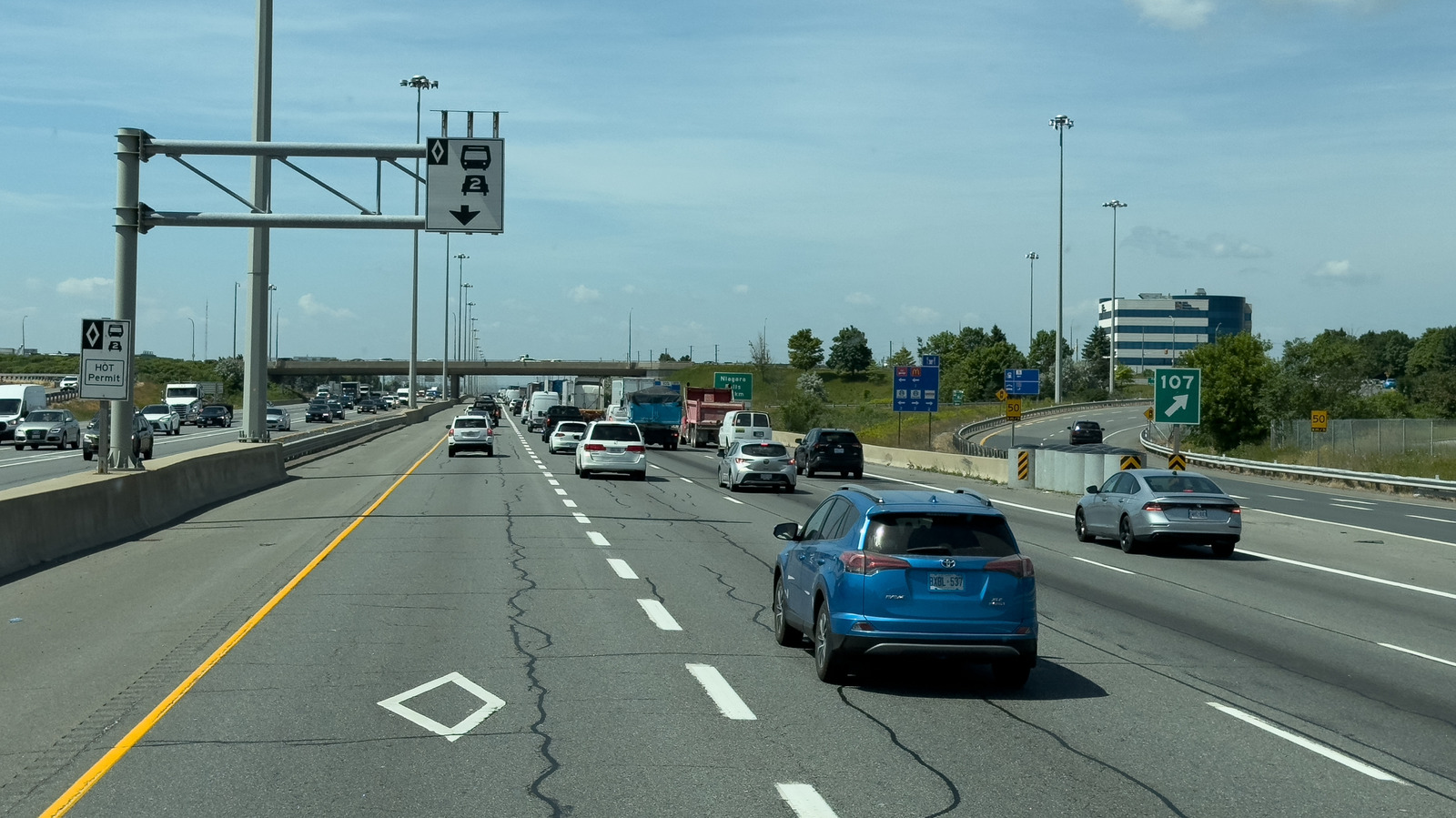
Rising gas prices are pushing more people to consider carpooling, and this article lays out practical, no-nonsense tips to get a carpool rolling smoothly. You will find straightforward guidance on picking partners, coordinating schedules, splitting costs, and keeping the ride safe and pleasant. These ideas are aimed at making carpooling both efficient and low-stress, whether you’re the driver or a passenger. Read on for clear steps to start and sustain a reliable carpool that saves money and time.
Start by being realistic about schedules and routes; mismatched times wreck carpools faster than anything else. Ask candidates about their exact commute windows and whether they can be flexible on start or finish times. Try to align at least 80 percent of the workday overlap before committing.
Choose carpool partners who match your reliability and personality standards to avoid friction later on. It helps to meet in person or chat on the phone to gauge punctuality and courtesy before adding someone to the rotation. A small upfront conversation saves hours of awkward rescheduling down the road.
Decide who drives and when as soon as the group forms, and consider a rotating schedule to spread wear and responsibility. Rotating drivers keeps one person from feeling exploited and reduces the chance of a single vehicle becoming the bottleneck. If one driver has a markedly different car or capacity, make adjustments so seat counts and comfort levels are fair.
> “Here are a few tips to help you get started.”
Create a simple set of shared rules: arrival windows, phone etiquette, music choices, and how to handle unexpected delays. Keep rules short and practical so everyone can remember them without a long list of grievances. Put the rules in a group chat or a shared note so there is always a neutral reference point.
Talk money up front and make expense-sharing clear and predictable to avoid tension. Decide whether gas is split per ride, per week, or via a shared app and stick to that plan. If tolls or parking are involved, agree in advance how those will be handled and whether receipts get reimbursed.
Leverage simple tech tools to keep logistics smooth; a shared calendar or group text can prevent confusion about who is driving when. Use location sharing sparingly for pickups to avoid micromanaging the ride. Keep communications concise and schedule a weekly check-in for any tweaks.
Plan pickup and drop-off spots that minimize detours and keep everyone’s travel time reasonable. Centralized meeting points at major intersections or park-and-ride lots often work best. Avoid long door-to-door detours that add time and fuel costs for the group.
Put safety and insurance on the table immediately; ask each participant about their auto insurance and whether they are comfortable with occasional carpool liability questions. If someone drives for a rideshare or transport service, clarify how that affects coverage when carpooling. Err on the side of transparency to protect everyone involved.
Agree on a simple cleanliness policy so rides remain pleasant and consistent for all members. Rules like no eating or only covered beverages go a long way toward keeping cars tidy. If someone’s pet or child needs special accommodations, discuss those details with the group early on.
Be explicit about how to handle late arrivals, no-shows, and emergencies so the group can react without drama. Establish a waiting window and a fallback plan, such as a driver rotation swap or a designated backup rider. Clear expectations prevent resentment when real life interferes.
Consider fuel-efficient vehicle choices and driving habits to boost savings, especially when gas prices spike. Simple adjustments like steady speeds, smooth acceleration, and minimizing idle time can improve mileage across the board. If one member has a hybrid or more efficient car, factoring that into cost-sharing can be fair and motivating.
Keep the carpool flexible enough to handle vacations, remote work days, and sudden schedule changes without collapsing. Build a short pool of backup drivers or alternate plans for the weeks when multiple people are out. Flexibility combined with clear protocols keeps the system resilient.
Respect personal space and boundaries; some people want to chat while others prefer quiet in the morning. Rotate conversation leaders or set quiet hours to accommodate different moods. The goal is a comfortable ride for everyone, not a social pressure cooker.
Finally, treat the carpool like a small team: communicate changes early, be punctual, and keep agreements. A little consideration goes a long way toward turning a cost-saving tactic into a reliable daily routine. With clear rules and honest communication, carpooling can be a practical answer to high gas prices without sacrificing convenience.
