
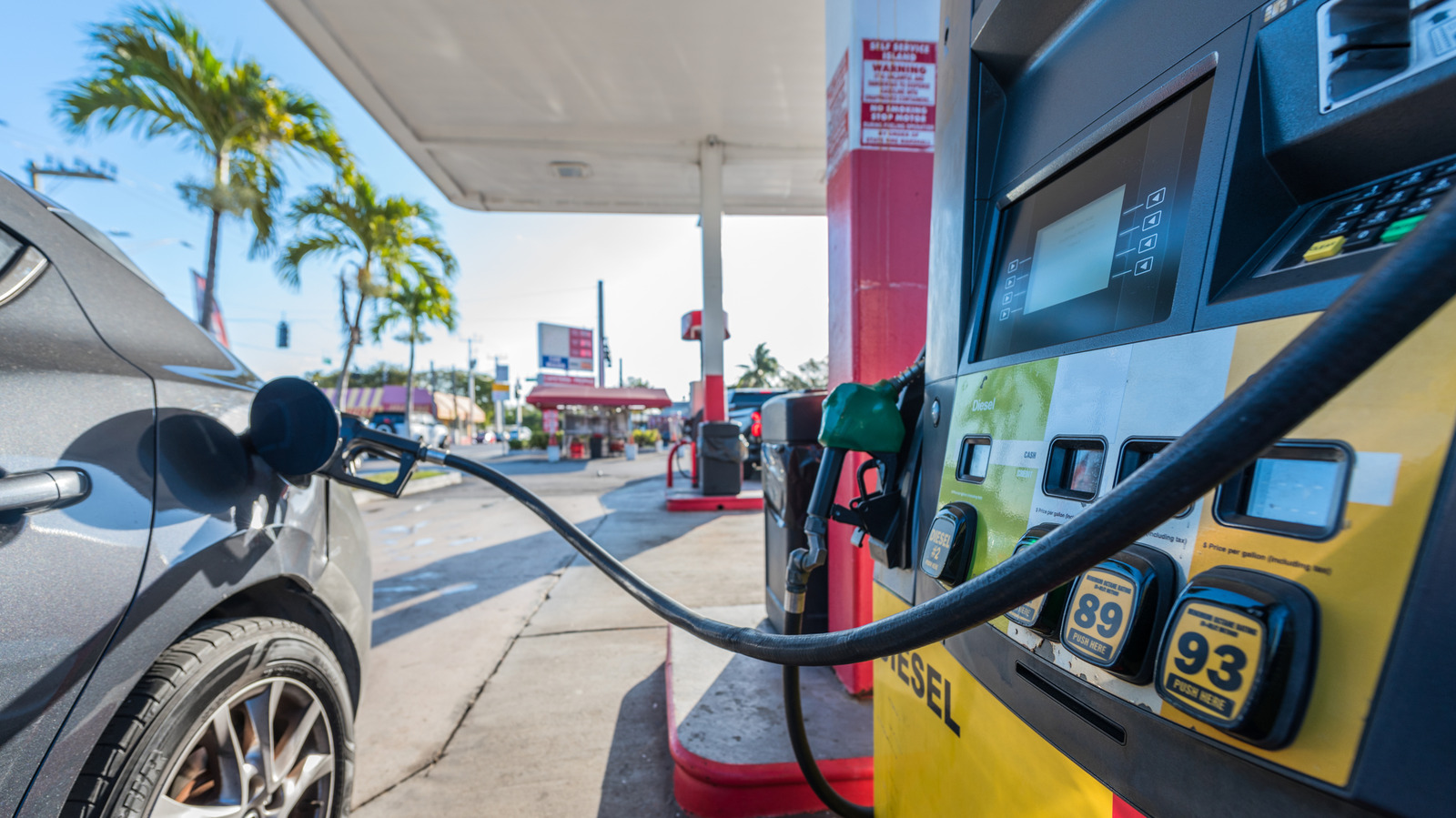
A quick trip to the gas station looks harmless, but small habits can turn routine into risky. This piece walks through common mistakes people make at pumps, practical steps to avoid trouble, and sensible behaviors that reduce fire, theft, and damage. Read on for clear, no-nonsense guidance you can use every time you fuel up.
Don’t assume the pump area is risk-free just because it’s familiar. Pumps concentrate flammable vapors, moving vehicles, and distracted people into one spot, so a little care goes a long way. Treat the whole process like a short safety checklist rather than a casual errand.
Avoid smoking or using anything with an open flame around the pumps. Gasoline fumes are easily ignited, and a single spark can cause a serious fire. Rules banning smoking at pumps aren’t just bureaucracy; they exist because the hazard is real.
Using your phone while refueling is more about distraction than phones being ignition sources. You’re less aware of spilled fuel, wandering children, or someone trying to drive off without paying when you stare at a screen. Keep calls and texts for after you are safely back in your vehicle or parked away from the pumps.
Never leave your engine running while you handle the pump. An idling engine can increase the risk of ignition and makes your vehicle an easier target for someone to grab and drive away. Turn off your car, take your keys, and pay attention to your surroundings while you fuel.
Static electricity is a surprisingly common cause of pump incidents, and it’s easy to avoid. If you get back in your car during fueling, touching the pump nozzle afterward can discharge static into the nozzle. Either stay outside while fueling or touch metal away from the nozzle to discharge before you handle the pump again.
Be mindful of children and pets during a fill-up. Kids running around and pets moving underfoot create tripping hazards and increase the chance of spills. Keep everyone inside the vehicle or within arm’s reach so you can react quickly to a spill or unexpected movement.
>Avoid overfilling or “topping off” the tank once the pump clicks off. That habit can lead to spills and excess vapors, clog emissions control components, and waste money. Fill to the automatic shutoff and move the vehicle to a safe place if you need to add more later.
Pay attention when handling fuel containers and portable gas cans. Use approved containers, place them on the ground while filling to avoid static build-up, and fill slowly to reduce splashing. Improper filling of containers is a major source of spills and later fires in garages and trunks.
Don’t ignore warning signs of theft or tampering, like damaged card readers or loose panels around pumps. Card skimming is a real threat; if a machine looks altered or gives you trouble, go inside and pay at the register. Trust your instincts—if something feels off, find another pump or station.
Choosing how to pay involves trade-offs: pay-at-pump is fast but can be less secure if the reader is compromised, while inside payments let you check receipts and get help. Whatever you choose, shield your PIN, watch the transaction, and keep your receipt until you’re sure the correct amount was charged. If your card is declined unexpectedly, step away and handle it inside rather than re-inserting or swiping repeatedly.
Finally, be careful about vehicle compatibility and maintenance around refueling. Putting the wrong grade of fuel or diesel into a gasoline car (and vice versa) can cause costly damage, and a loose or missing gas cap can trigger check-engine lights and emissions problems. Take a breath, double-check the nozzle and pump labels, and avoid rushed mistakes that end up costing you more than a minute of attention.
