
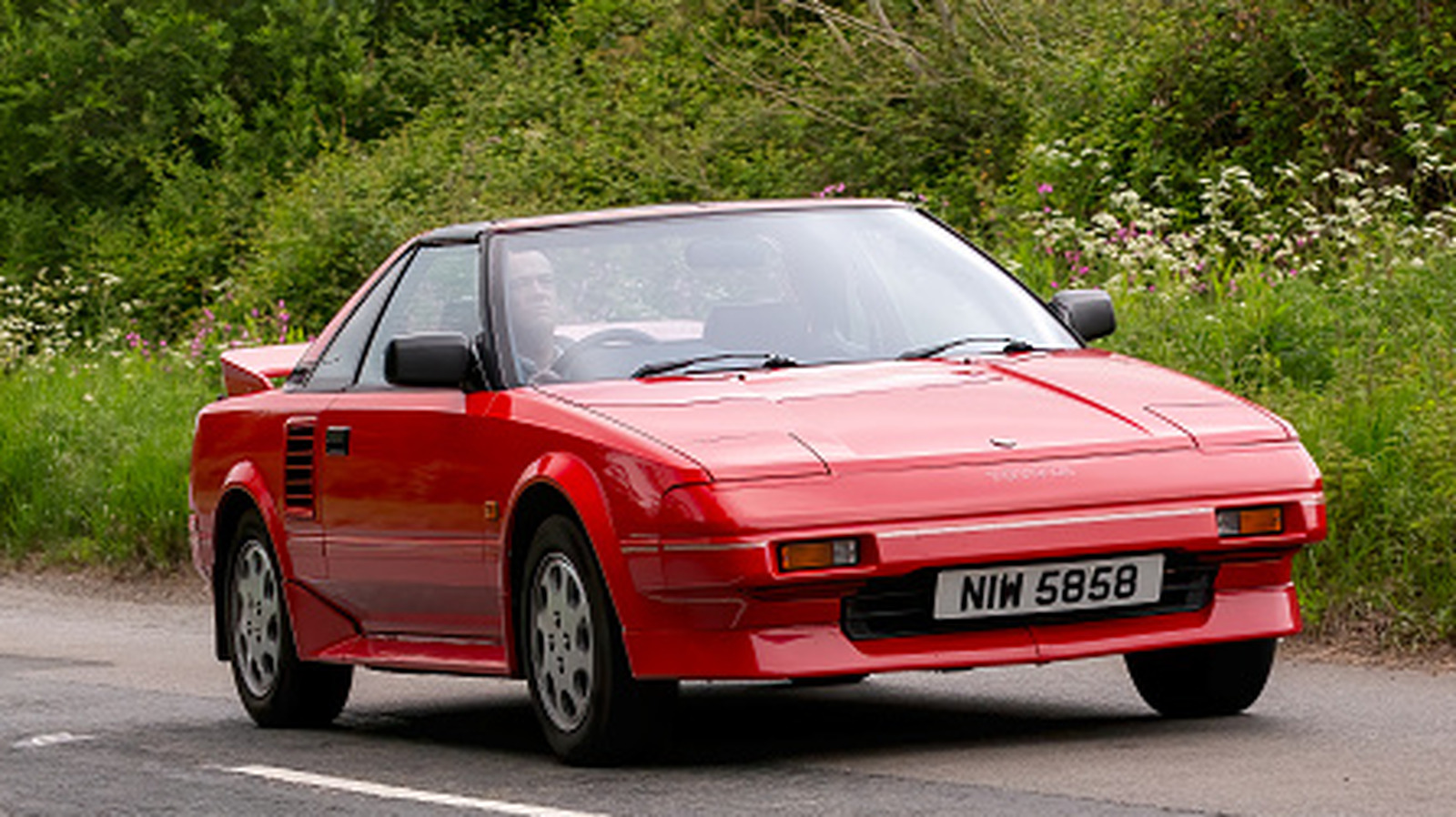
The Jaguar E-Type shocked the automotive world by matching the thrill and pace of contemporary Ferraris while arriving with a much kinder price tag, reshaping what drivers expected from a sports car. This piece looks at why a classic like the E-Type could stand toe to toe with high-end supercars, covering design, engineering, track performance, and the ownership picture that made it an irresistible bargain. You’ll get a clear sense of how clever engineering and bold styling closed the gap between exotica and attainable performance. No fluff—just the reasons this classic still turns heads and earns respect decades later.
When the Jaguar E-Type debuted, people expected elegance; they got a performance surprise. Its sleek, low-slung body hinted at speed, but underneath was engineering built to deliver it. That combination meant it didn’t just look fast, it behaved like a true sports car, giving drivers confidence on twisty roads and long straights alike.
The heart of the car was a potent straight-six engine that offered surprising shove for its era. Coupled to a light, well-balanced chassis and independent suspension, the E-Type could hustle through corners in ways that looked more modern than its years suggested. Those pieces added up to lap times and top speeds that made enthusiasts compare it to much pricier Italian machinery.
Braking and handling are where the E-Type really earned its stripes, with disc brakes and a tuned suspension setup that delivered communicative steering and predictable behavior. Drivers who tried to push it found the car responded with composure rather than drama, a trait engineers prioritized to make performance usable on normal roads. That useable performance is a major reason it outshone expectations and invited comparisons to exotic rivals.
Design mattered as much as raw numbers. The E-Type’s silhouette was a masterclass in proportion, marrying form and function so tightly that the shape itself became part of the speed experience. Aerodynamics and weight distribution weren’t afterthoughts; they were integral to how the car performed, and that holistic approach is what let it outperform pricier competitors in everyday driving scenarios.
Price and accessibility sealed the deal. While established supercar names carried exclusivity and steep costs, this classic offered a path to genuine high-speed thrills without the unattainable sticker. For private owners and privateer racers, that translated into more seat time, more tinkering, and a different kind of satisfaction: owning something exceptional that didn’t demand elite budgets to enjoy.
On the track, the E-Type’s combination of speed, balance, and durability made it a force in club racing and endurance events. It wasn’t always the outright fastest in a straight line, but its agility and brakes made it deadly through complex sections, where many high-powered rivals were harder to control. That competitive edge turned critics into fans, and weekend racers into loyal advocates.
Maintenance and practicality played into its appeal too. Compared with bespoke supercars whose parts and service were niche and costly, this classic could be cared for by experienced local shops and dedicated owners. That keep-it-running culture meant more cars stayed on the road and in competition, which fed the legend and kept prices reasonable for decades.
Today the story is part nostalgia and part technical respect. Restored examples command strong interest because they offer a visceral connection to an era when designers and engineers pushed boundaries without losing sight of driver experience. Collectors prize the balance of aesthetics and performance, and many drivers still choose these cars for spirited weekend runs rather than park-piece status.
Owning a piece of this history is a different kind of bet than buying an exotic purely for show. You get a genuine driver’s machine with a lineage of engineering choices that prioritized usable speed and human feedback. That’s why, despite the passage of time and the rise of ever-faster supercars, the E-Type and cars like it remain stubbornly relevant: they proved you could get Ferrari-level excitement for a fraction of the cost without sacrificing soul.
