
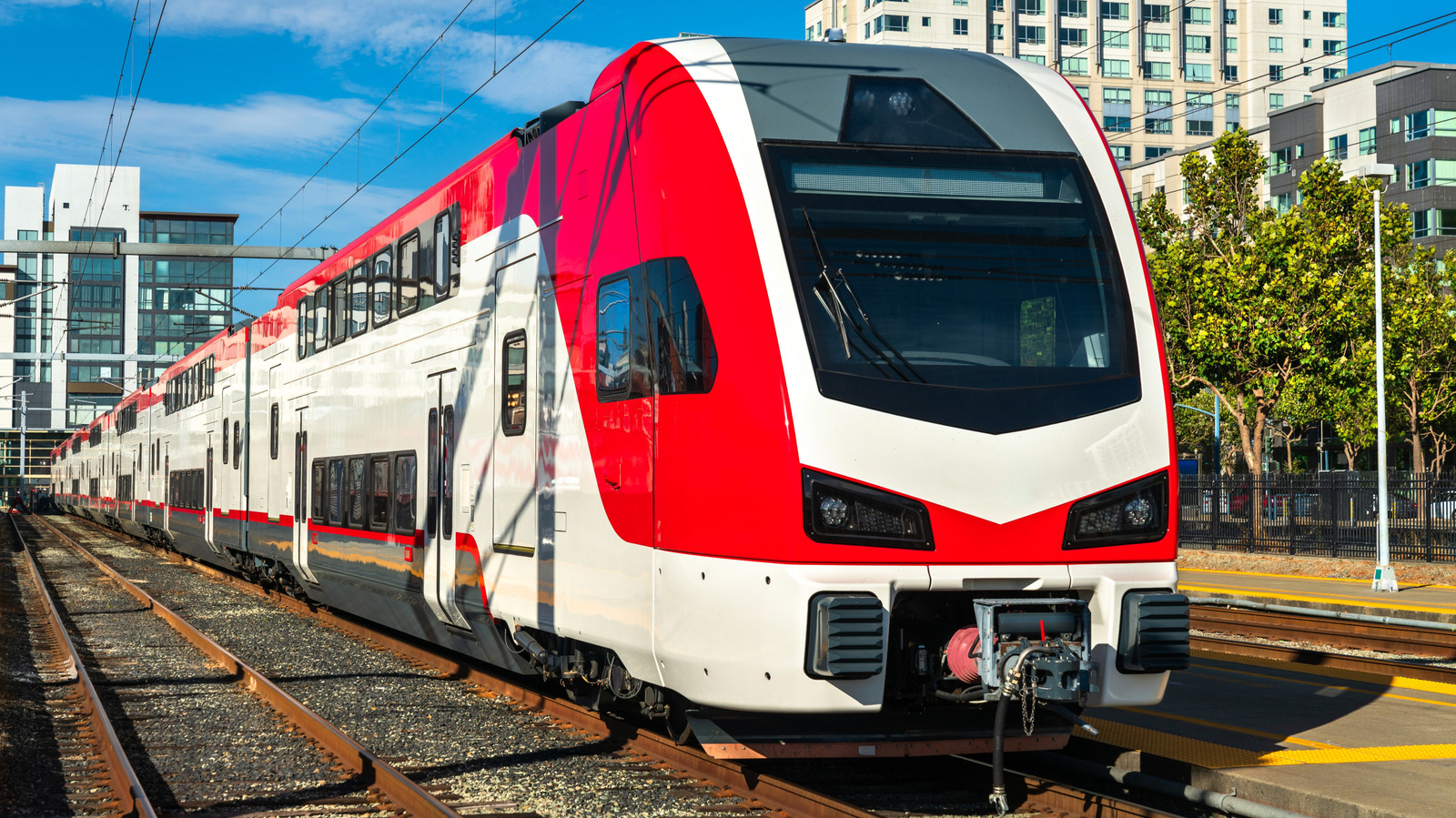
The shift from diesel-electric locomotives to fully electric trains sounds simple, but the reality is layered: legacy systems, massive infrastructure costs, range and power needs, and evolving battery and hydrogen tech all factor into why diesel engines still sit under many train hoods today.
Diesel-electric is a clever compromise: a diesel engine drives a generator that powers electric traction motors. That lets trains get the high torque and smooth control of electric motors without needing overhead wires everywhere. The result is a workhorse design that stuck around because it solved a big practical problem in a simple way.
History matters. Rail networks were built long before reliable high-voltage electrification technology was cheap and ubiquitous. Laying catenary wires or third rail across thousands of miles is a multibillion-dollar project, and rail operators often faced budget limits and political hurdles that slowed or stopped electrification plans. Once diesel-electric tech proved dependable, it became the default for lines where full electrification didn’t make economic sense.
Infrastructure cost isn’t the only issue. Freight trains and long-haul passenger services need continuous, long-duration power and the ability to run in remote places. Batteries still struggle with energy density compared to diesel fuel, and changing that means heavier equipment and shorter ranges. For heavy freight especially, the energy demands on steep grades or during long runs make diesel’s energy density very attractive.
Operational flexibility is another big reason. Diesel-electric locomotives can operate on any non-electrified stretch and bridge gaps between electrified zones without changing locomotives. That reduces downtime, simplifies scheduling, and avoids the logistical tangle of swapping engines mid-route. In mixed networks where only some corridors are electrified, that flexibility translates into real cost and time savings.
Maintenance and robustness also play a role. Diesel-electric systems are mechanically simpler in terms of the power delivery chain on non-electrified lines and have an established global supply chain for parts and technicians. Electrification brings its own maintenance regime: overhead wire upkeep, substations, and voltage regulation equipment all add recurring costs. For railroads focused on uptime and minimizing service interruptions, those factors weigh heavily.
Environmental pressure is pushing change, though. Cities and regulators are tightening emissions rules, and battery and hydrogen technology are improving rapidly. Short to medium-distance passenger lines are prime candidates for battery or hydrogen retrofits, and we’re already seeing pilot projects move from concept to service. But scaling those solutions for heavy freight or transcontinental routes remains a tougher engineering and economics problem.
There are hybrid approaches that bridge old and new. Some operators use diesel-electric locomotives with onboard batteries to capture regenerative braking energy and shave fuel use. Others electrify high-traffic corridors while leaving branch lines diesel, creating a mixed system that balances cost and emissions. These middle-ground strategies give operators a path to lower emissions without a single giant upfront bill.
Ultimately, the persistence of diesel in diesel-electric trains is about matching tools to tasks. Where continuous, high-power supply is available and justified, pure electric makes sense. Where range, flexibility, and cost control matter most, diesel-electric remains a pragmatic choice. Technology is moving, but railroads move carefully; replacing the backbone of a transport system takes time, money, and convincing evidence that the new setup will do the job every mile of the way.
