
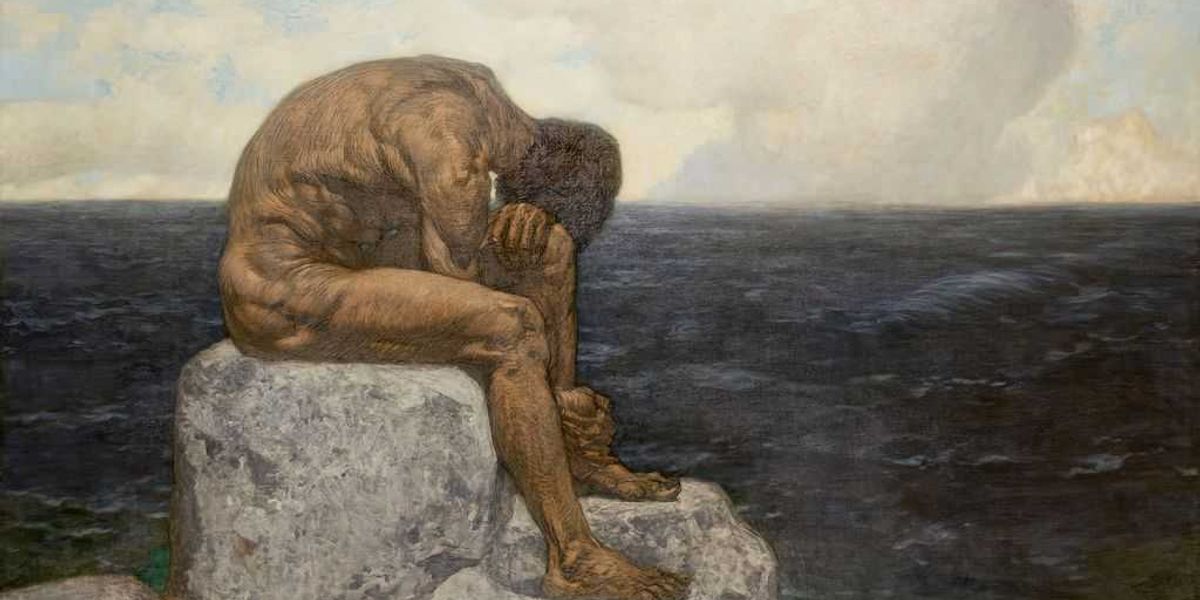
America still has a hunger for heroes, but too often modern culture wants the costume without the courage. The old stories understood something blunt and beautiful: greatness costs something, and the men who step forward do not spend their time apologizing for strength, duty, or sacrifice. That is why the conversation around heroism keeps circling back to Homer, Achilles, and the kind of glory that feels ancient because it still hits nerves today.
The point is not that every hero is perfect. Far from it. Achilles is unforgettable precisely because he is fierce, proud, wounded, and impossible to tame, which makes him feel more human than polished modern templates ever do. He is a reminder that real heroism is not safe, and it does not come wrapped in public relations language.
Western civilization has never been built on people who played small. It was built by men and women who accepted the risk of failure because they believed some things were worth defending, whether that meant home, faith, country, family, or honor. That older moral world understood that glory was not a dirty word when it pointed to sacrifice instead of vanity.
Modern Hollywood often tries to flatten that idea into something neat and marketable. Heroes get scrubbed clean, their edges softened, their convictions turned into slogans, and their masculinity treated like a problem to be managed. But audiences can sense when a story is scared of its own spine, and they can also tell when a character has been drained of the very force that made him memorable.
There is a reason stories about war, struggle, and endurance keep coming back. They are not just about violence or spectacle. They are about testing the soul under pressure, about what a man does when comfort disappears and the only thing left is what he actually believes.
That is where faith and morality quietly enter the frame. A society that believes nothing beyond itself eventually runs out of heroes because it no longer has anything higher to aim at. Without a standard above appetite and self-interest, courage turns into branding, and sacrifice starts looking foolish instead of noble.
Christopher Nolan has often understood that audiences want scale, seriousness, and consequence. His work tends to respect the idea that a person’s choices matter, that the world is not a playground, and that responsibility can be heavier than any special effect. Even when the stories are modern, they still carry the old pressure of fate, duty, and the cost of standing tall.
That pressure is what makes the ancient epic feel so alive. The Odyssey is not just a travel story, and Achilles is not just a warrior with a temper. Both are part of a civilization’s memory, the kind that teaches boys and men that life is not only about comfort, approval, and the safest possible route through the day.
People still respond to heroes because they want to believe that virtue can be visible. They want to see someone take the hit, keep moving, and refuse to shrink under the gaze of a culture that mocks conviction. When a hero finally appears on screen or in history, he does not need to announce himself, because the action already speaks louder than any speech.
The current moment is starved for that kind of clarity. Too much public life rewards hesitation, irony, and endless self-protection, while the older virtues of courage, restraint, loyalty, and honor are treated like relics. Yet the hunger remains, and it shows up every time a story gives people a man who stands his ground and pays the price without begging for applause.
That is the deeper appeal of heroism. It is not about perfection, and it is not about looking good for the crowd. It is about a person meeting the moment with enough strength, faith, and moral backbone to matter, and that is why the best stories, old or new, still hit like a thunderclap.
