
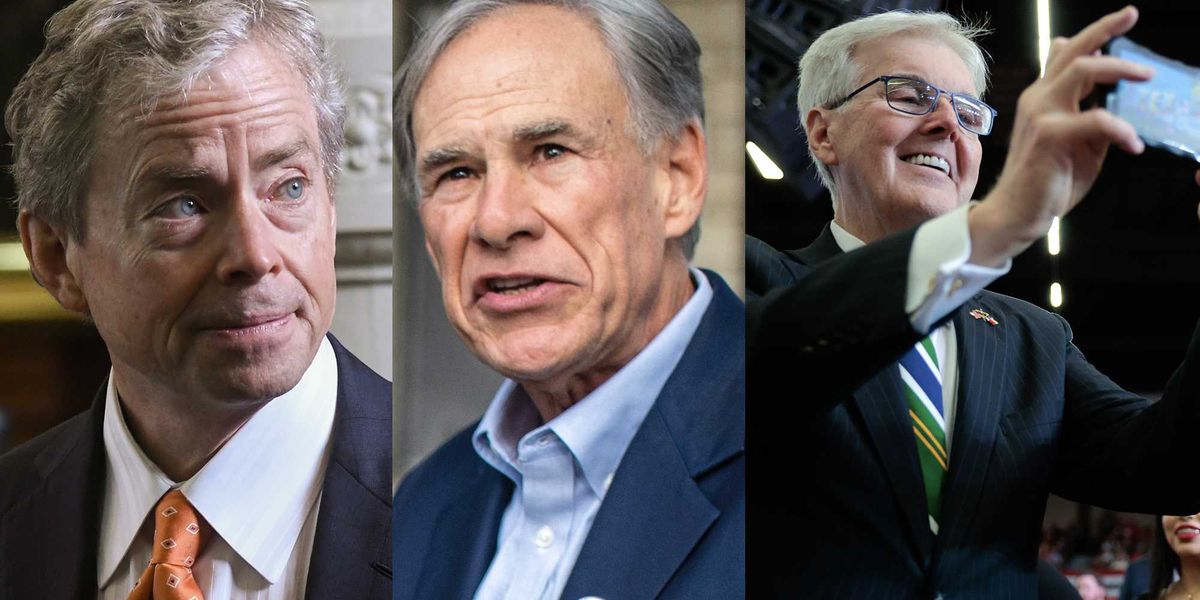
A bruising election night in Texas left some Republicans trading victory laps for hard questions, and one GOP candidate who came up short did not hold back. The criticism landed squarely on party leadership, with frustration aimed at the gap between polished messaging and what voters actually felt on the ground. The mood was less celebratory politics and more a blunt warning shot from inside the tent.
The anger centered on the idea that too many Republican leaders are acting like the base will keep showing up no matter what. That kind of assumption can work for a while, but it starts to crack when voters feel ignored, taken for granted, or fed the same talking points again and again. The message from this corner of the party was simple and sharp: loyalty has to run both ways.
Texas has long been treated as a reliable red fortress, but even strong territory can get shaky when the party stops sounding like it understands regular people. Voters may still like conservative ideas, but they do not automatically reward stale politics, weak candidates, or leaders who seem more interested in managing headlines than solving real problems. That tension is where the backlash gained traction.
Greg Abbott also ended up in the mix, not because he was the only target, but because statewide leadership always draws heat when the party is scrambling to explain a rough night. In moments like this, the governor’s name becomes shorthand for the broader machine, especially when critics want to say the message has gone soft or disconnected. The complaint was not subtle: the people running the show need to pay more attention to the voters who actually decide these races.
Republicans in Texas have spent years talking about strength, borders, taxes, and common sense, but winning those arguments requires more than slogans. When a campaign loses ground, the instinct inside party circles is often to spin, smooth over the damage, and move on. That approach can backfire fast when the losing side feels like nobody in charge is willing to admit what went wrong.
The sharper point was not just about one race. It was about the larger habit of treating internal criticism like disloyalty instead of feedback, which leaves the party stuck in the same loop while the ground shifts under it. Grassroots Republicans tend to notice that kind of thing quickly, and they usually do not care for being told to sit down and stay quiet.
There is also a growing sense that the Texas GOP cannot afford to drift into complacency, even with the state’s deep conservative lean. Safe branding does not replace energy, and a familiar name does not guarantee turnout when voters are frustrated or underwhelmed. A party that wants to stay dominant has to keep proving it deserves the job, not just announcing that it does.
That is why the criticism hit harder than a routine post-election gripe. It reflected a larger strain between the party establishment and the people who want it to fight like it still has something to prove. When the same complaints keep surfacing after big nights, it usually means the problem is not one speech, one ad, or one bad break, but a deeper disconnect that does not disappear just because the cameras move on.
For Texas Republicans, the pressure now sits right where it often hurts most, inside the family, where the arguments are loud and the expectations are even louder. The next move will tell a lot about whether party leaders are willing to adjust, or whether they will keep brushing off the same warnings that keep coming from their own side.
