
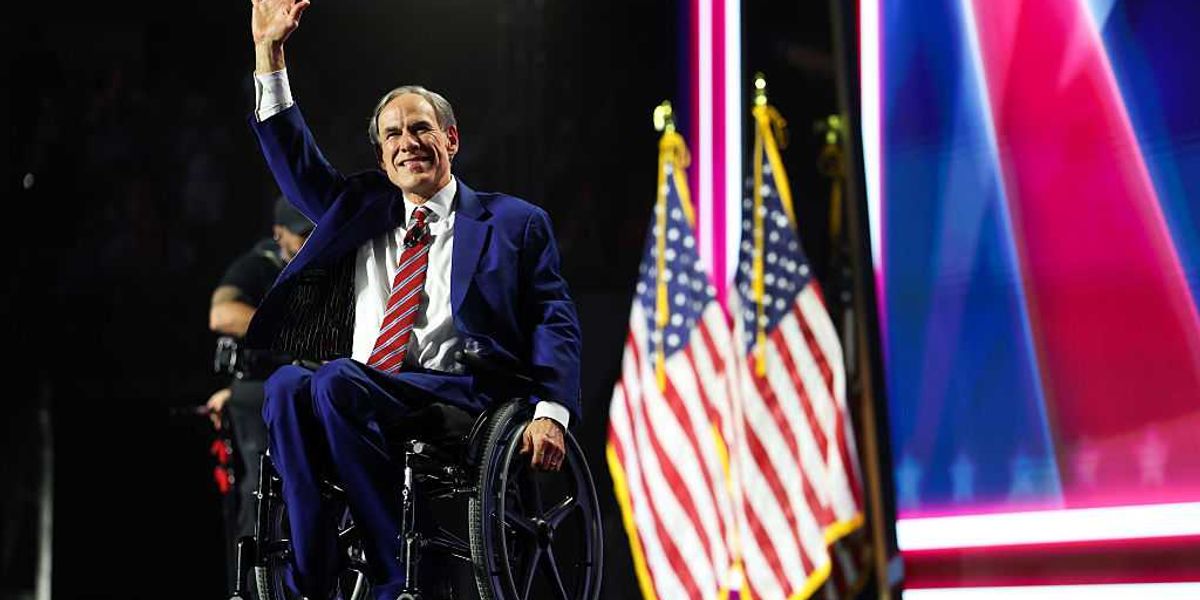
Gov. Greg Abbott is heading into another election fight with the kind of heat that can reshape a race fast. Texas Democrats are trying to frame the contest around familiar talking points, while Abbott is standing on border security, public safety, and a no-nonsense conservative record that still plays well with plenty of voters across the state.
Gina Hinojosa has emerged as a left-wing challenger eager to turn frustration into momentum. Her message leans hard into attacks on Abbott, especially over immigration and state leadership, but that strategy also risks boxing her into the same old partisan script that has failed Democrats in Texas for years.
The race is shaping up as a direct clash between two very different visions of the state. Abbott is betting that voters want strong borders, lower taxes, and fewer soft-on-crime experiments, while Hinojosa is trying to sell a more activist approach that treats Texas like it is overdue for a political overhaul.
That is a tall order in a state where conservative instincts still run deep. Even in crowded political moments, Texans tend to respond to candidates who sound steady, tough, and focused on practical results rather than theatrical outrage.
Abbott’s brand has been built around exactly that kind of posture. He has made border enforcement a centerpiece, kept pressure on local leaders who want looser policies, and repeatedly cast himself as the line between order and chaos.
For Republican voters, that contrast matters because it feels less like a theory and more like a test of whether the state stays secure and competitive. The border remains a live issue, and that gives Abbott a powerful advantage when opponents try to move the conversation elsewhere.
Hinojosa, meanwhile, is trying to harness anger on the left without sounding too disconnected from the broader electorate. That is a tricky balance, because progressive messaging that fires up activists can sound out of touch to independents and suburban voters who want calm, not constant confrontation.
Texas races often turn on more than ideology, though. Voters also watch for competence, consistency, and whether a candidate seems to understand that governing a huge, diverse state takes more than slogans and social media clips.
Abbott has spent years building a political machine that knows how to survive rough cycles. That matters in a midterm environment where turnout shifts, national headlines swirl, and the side with the clearer message usually has the edge.
The left is hoping to turn frustration over immigration and local costs into a broader anti-Abbott wave. The problem is that Texas has heard those arguments before, and many voters still see Republican leadership as the safer bet when the stakes are this high.
At the center of it all is a simple question with huge consequences: do Texans want more of the same conservative firewall, or do they want to gamble on a sharp left turn? That answer will say a lot about where the state is headed and how much appetite there really is for another round of progressive politics in a place that has been drifting right for years.
