
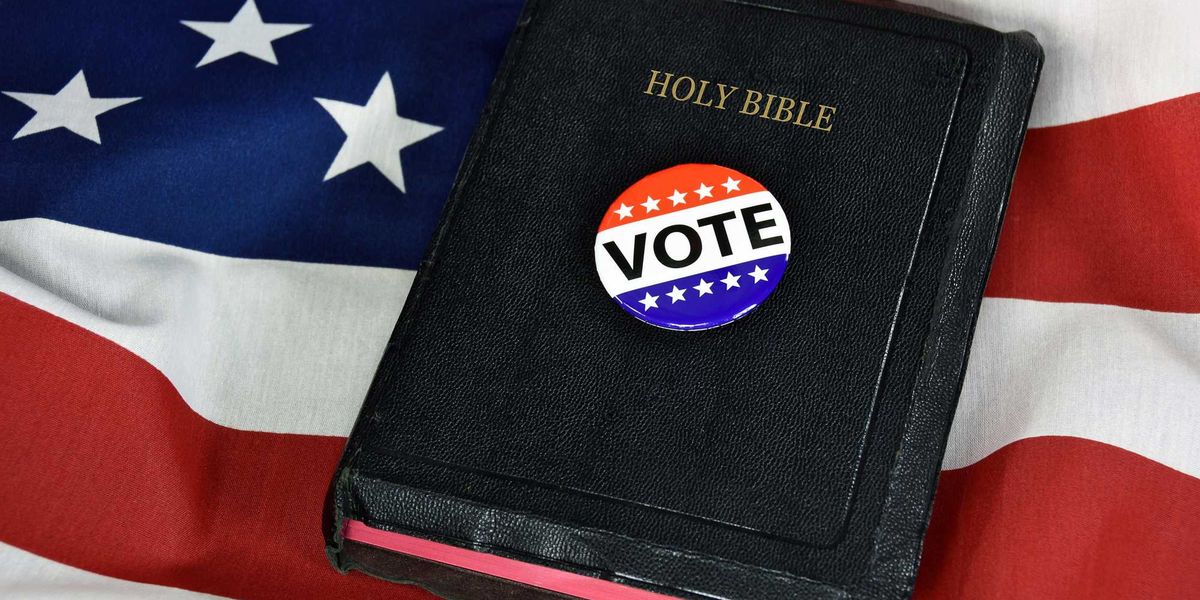
Christians keep showing up at election time with deep convictions, but that alone does not guarantee political wins. The gap between faith-filled passion and electoral success is often shaped by confusion about purpose, mixed priorities, and a tendency to treat voting like a side issue instead of a serious responsibility.
Checklist:
- Faith and elections
- The Great Commission
- Christian responsibility in public life
- Biblical truth and civil government
- Why Christians struggle at the ballot box
One big reason Christians lose elections is that many of them never settle the question of what kind of battle they are actually in. The church can be loud about morality, yet still drift into vague slogans when it comes time to choose leaders who will shape law, culture, and national direction.
That disconnect matters because politics is not separate from real life. Decisions made in civil government reach into schools, courts, families, and public safety, which means voters who care about faith cannot afford to act as if elections are just another sports bracket.
Another problem is that Christians often split their attention between the Gospel and public life as if the two compete with each other. The Great Commission remains central, but it does not erase the duty to stand for truth in the civic arena, especially when laws reward what Scripture warns against.
Too many believers also shrink back from the rough edges of political conflict. They may know exactly what they believe about marriage, life, or human dignity, but then hesitate to speak plainly because they fear being mocked, labeled, or dragged into a fight.
That silence has a cost. While Christians stay polite and cautious, organized activists on the other side move fast, frame the narrative, and fill every vacuum with their own message.
There is also a habit of confusing personal kindness with public leadership. A candidate can sound gentle and respectful, but if that person supports policies that damage families, weaken borders, or attack truth, a warm smile does not make the outcome less dangerous.
Some Christians vote based on tone instead of substance. That approach has a way of producing defeats because elections are not won by good vibes, and cultural battles are not settled by looking pleasant on camera.
The spiritual side of this cannot be ignored either. Christians know the Holy Spirit is at work, but that does not replace the need for discipline, courage, and discernment when choosing who should hold authority.
There is real danger in assuming a moral majority will appear automatically. History keeps showing that numbers do not matter much if people are unprepared, divided, or unwilling to defend the standards they claim to value.
Marxism and other hostile ideologies have also benefited from Christian hesitation. When believers speak softly while radicals speak with purpose, the loudest voice tends to set the terms, and the country pays for it later.
Public life is not just about winning an argument. It is about protecting a framework where truth can still be spoken, conscience can still be honored, and families can still live without constant pressure from institutions that despise them.
That is why elections keep exposing where Christians have become distracted. Some are absorbed in private devotion but absent from public responsibility, while others are angry enough to care but not focused enough to press that concern into effective action.
The answer is not to copy the world’s grime or turn politics into a dirty substitute for faith. The answer is to bring biblical clarity into a space that is already crowded with power, propaganda, and moral confusion.
When Christians remember that civil government is real, that truth matters, and that voting is part of stewardship, the picture changes. Leaders start feeling the pressure to answer to more than the latest media wave, and elections begin to reflect convictions instead of hesitation.
That shift does not happen by accident. It takes believers who are willing to pay attention, speak up, and stop acting as if disengagement is a spiritual virtue.
