
The GOP is bruised, embarrassed, and staring at the scoreboard after a rough political beating, but that is not the same thing as being finished. History says parties can stumble hard, sit in the corner for a while, and still come roaring back if they stop making excuses and start rebuilding with some discipline.
That means facing the damage head-on instead of pretending it was just bad luck. A wipeout like this does not get fixed with a slogan, a hot take, or one easy villain, because the problem usually runs deeper than that.
Republicans have lived through this kind of pain before. After Barry Goldwater’s collapse in 1964, the party looked shattered, yet it rebuilt its way back into relevance and then power.
The same basic pattern showed up again after the Reagan years and then after the setbacks of 2006 and 2008. The climbs were slow, the losses were ugly, and there were no magic tricks waiting in the wings, only patient work and better candidates.
That is where the conversation has to start now. The party needs to recruit, train, and test new leaders instead of waiting around for someone to magically appear and save the whole operation.
The Senate and House both need stronger benches, not just familiar names repeating old talking points. Good politics is built state by state, race by race, and year by year, which means local talent matters just as much as the big national figures everyone argues about on cable news.
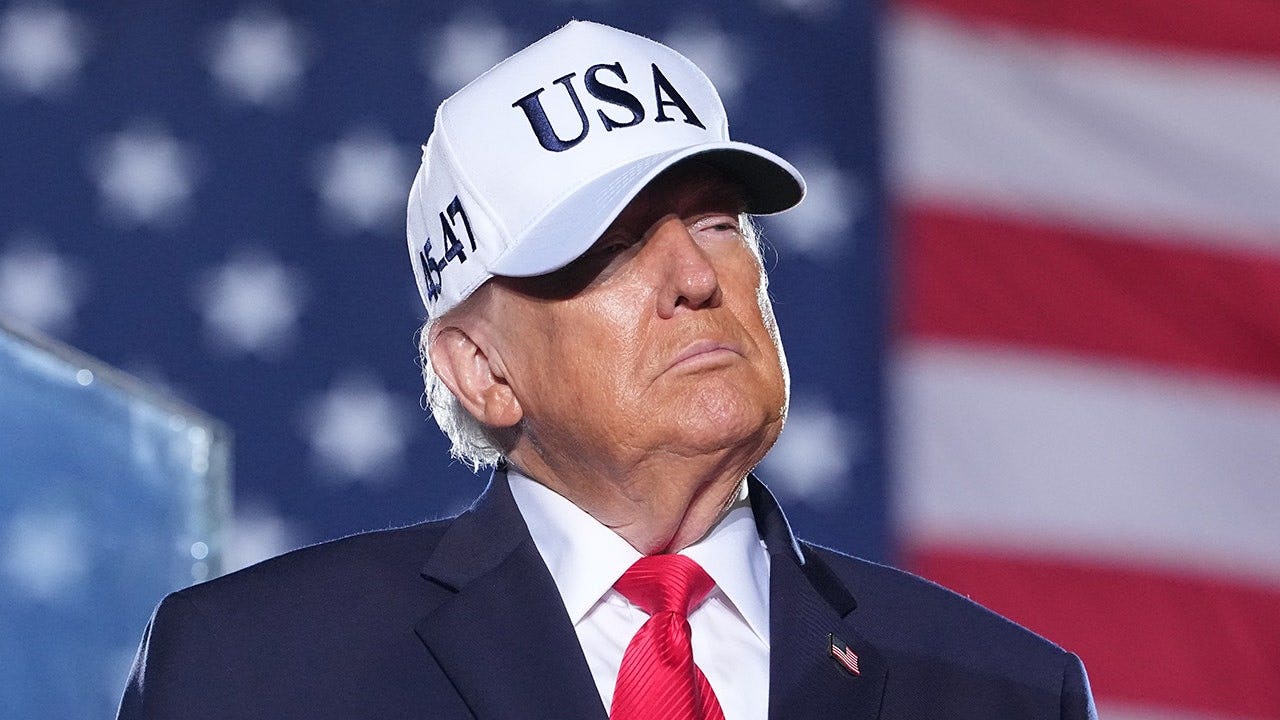
President Trump still sits at the center of the Republican universe, whether allies like the fact or not. He has been a powerful closer and a strong motivator, but this moment calls for more than energy, because the party also needs structure, planning, and a real process for what comes next.
That includes a serious and open fight over the post-Trump future. Early debates, a broader field, and a real contest of ideas could help the GOP sharpen its message instead of letting the next nominee get picked by inertia or inside noise.
There is also a bigger clock ticking in the background. The next few years before redistricting after the 2030 Census give Republicans a window to regroup, improve their map, and avoid turning a bad stretch into a long-term trap.
Politics in America never really freezes in place. Maps change, coalitions shift, and states that look unreachable one cycle can become winnable the next if the other side gets sloppy or overreaches.
That is why the instinct to hunt for one quick fix is so dangerous. A bad night can expose weak messaging, weak candidates, weak organization, and weak priorities all at once, and that kind of mess does not get cured by pretending the wound is smaller than it is.
The upside for Republicans is that the party still has time, and time is a powerful thing in politics. If the next stretch is used to sharpen the message, build better leadership, and keep the base engaged without drifting into fantasy, then the recovery can actually mean something.
Trump also has his own job to do, and it is not small. If he wants to help steady the party, he has to govern with purpose, keep the agenda moving, and make sure the movement still looks like it knows how to fight and win, not just complain.
That matters because voters notice who looks in control and who looks lost. Republicans cannot afford to act like the season is over when there is still a whole lot of football left, and the next few snaps will tell a lot about whether the party has learned anything at all.
