
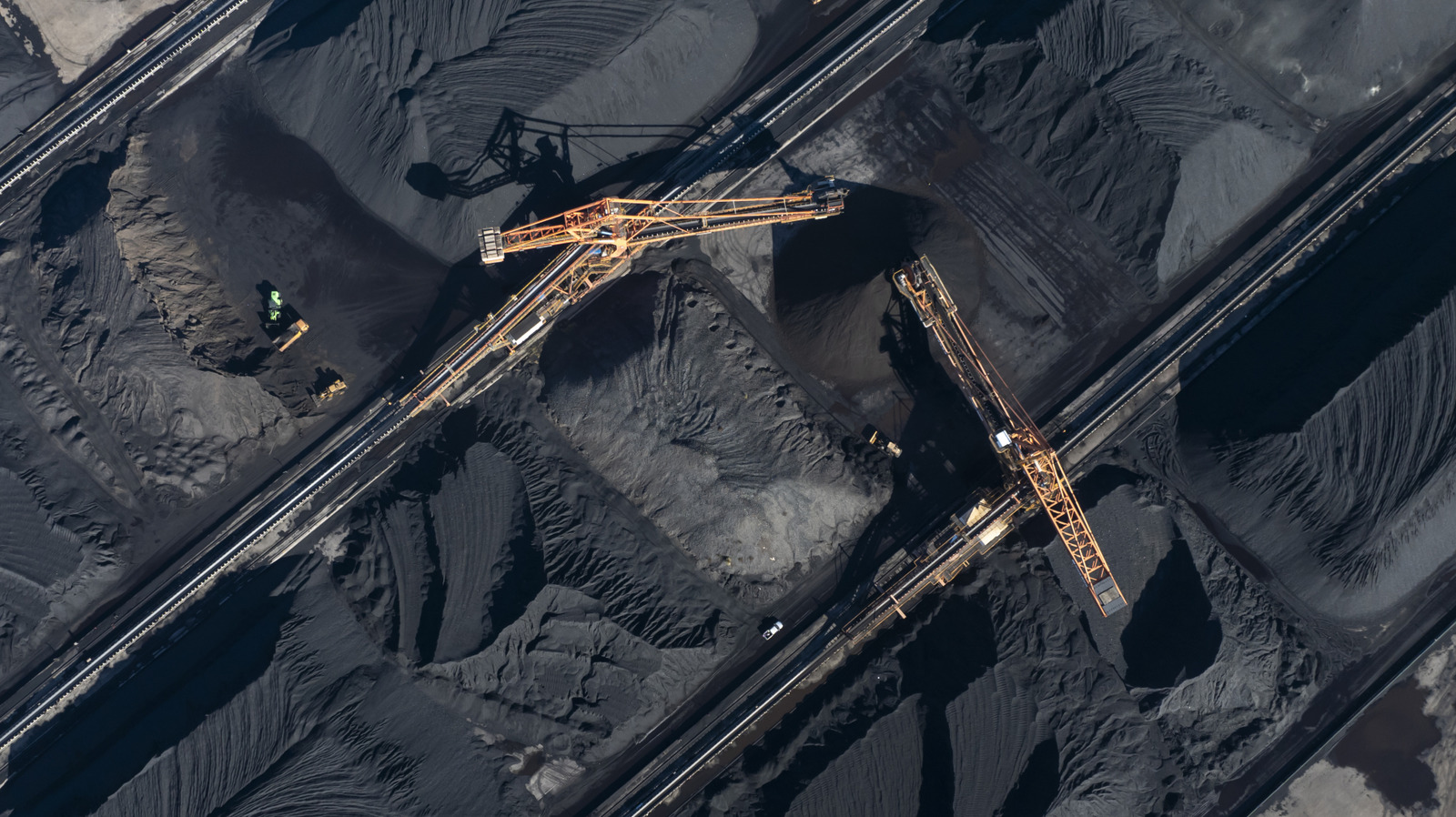
China’s power system is in the middle of a real shift, and it is starting to show up in the numbers. Coal still rules the mix, but renewables are finally doing more than just sit beside it, and in more than half the country, coal generation stopped growing in 2025 for the first time in years.
That matters because China is not a small player dabbling in clean energy on the side. It burns more electricity than any other country, and the scale is enormous, with demand that dwarfs the U.S. by a wide margin. For years, the answer was simple: keep building coal, add solar, add wind, and keep the whole machine running.
What changed is that renewables began moving fast enough to alter the balance. New solar and wind projects are now taking a bigger bite out of fossil fuel demand, especially as factories and industrial users switch more of their operations to electric power. The twist is that this new electricity is increasingly coming from cleaner sources, not from another wave of coal expansion.
The shift is still young, though, and nobody should mistake it for a clean break. China remains the country with the most coal-fired power plants, and its coal emissions climbed hard over the last couple of decades, rising 248% between 2000 and 2023. Industrial use still accounts for about three quarters of coal power consumption, which shows just how deeply coal is woven into the economy.
Even so, some of the hardest sectors to clean up are moving. Heavy industry, metal smelting, petrochemicals, and freight transport are all finding ways to use electricity more often, and that is cutting into fossil fuel demand in places that once looked locked in. Electric trucks are gaining ground too, with all-electric models taking 26% of new truck sales in 2025, while electric passenger cars passed the 50% mark in new sales that same year.
That kind of change is not happening by accident. Battery storage has become a big part of the story because solar and wind do not produce power on a perfect schedule. Solar peaks during the day and wind depends on weather, so storage gives the grid a way to smooth out those swings and keep electricity flowing when generation dips.
Battery backup is the quiet piece of the puzzle that makes a bigger renewable buildout feel less risky. Without it, a grid with lots of solar and wind can wobble when conditions change, but with it, the system can stay steadier and lean less on coal plants to fill every gap.
The industrial picture is getting more interesting too. Some sectors that once seemed stubbornly tied to fossil fuels, like textile production, machinery, and even fossil fuel extraction, have seen major drops in coal use from their peaks. At the same time, a few areas such as electronics and mineral processing are still pushing fossil fuel demand upward, so the trend is mixed rather than neatly linear.
Demand is still rising overall, which is the key pressure point. Forecasts call for Chinese electricity use to keep growing by just under 5% a year through 2030, so renewables have to keep scaling quickly just to stay ahead of the curve. That means more solar, more wind, more storage, and a grid that can actually connect all of it without dragging its feet.
There is also a business side to this that matters more than it used to. Solar construction slowed in the first half of 2026, but exports of renewable energy technology climbed, giving the sector another lane for growth. That helps keep momentum alive, and it gives China a financial reason to keep betting on cleaner power even while coal still holds the throne for now.
