
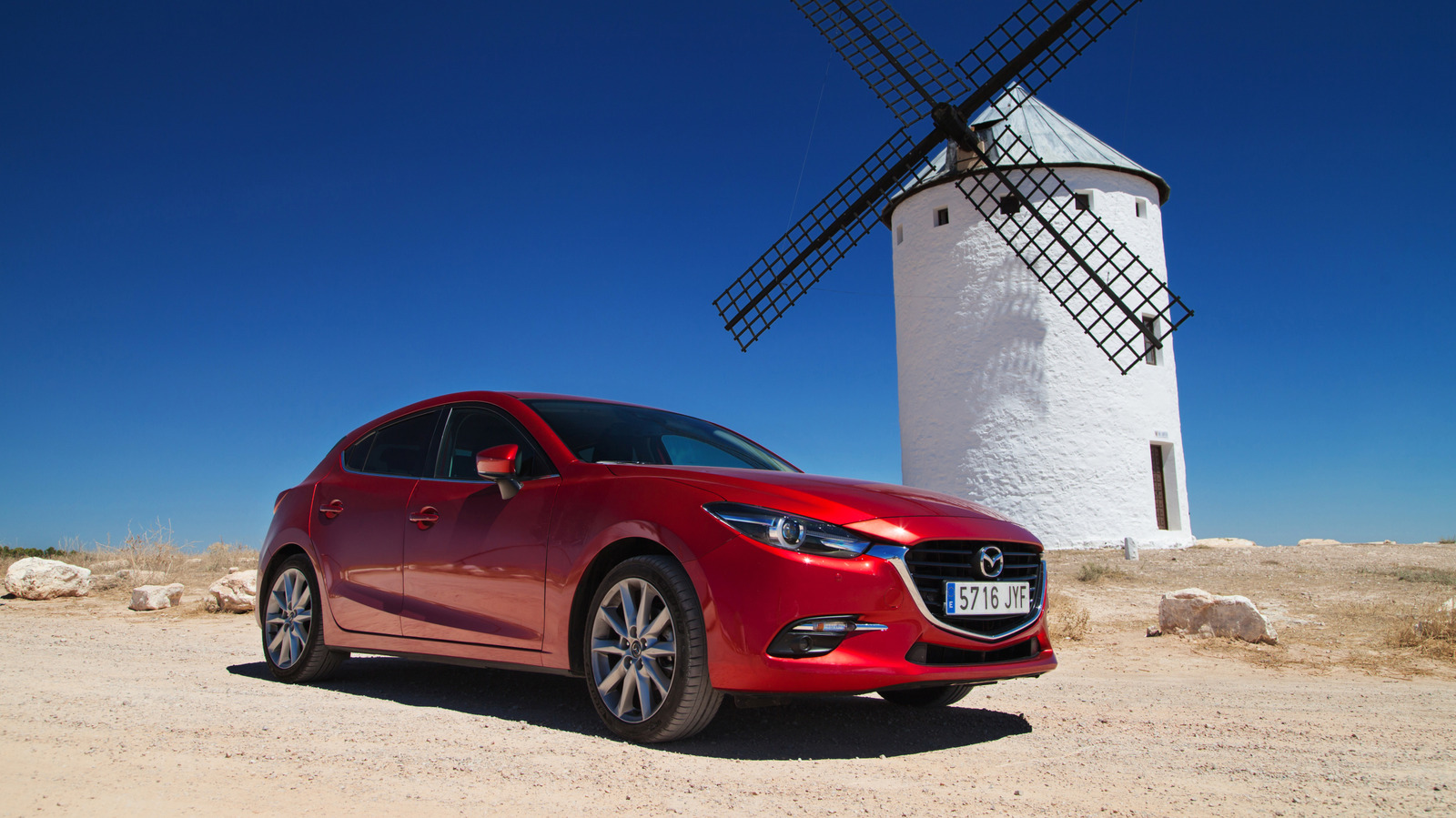
The Mazda3 has built a solid reputation for comfort, sharp handling, and a long run of dependable daily driving. Still, a closer look at owner complaints and federal safety data shows that some model years have a few ugly surprises hiding under the polished image. The biggest trouble spots range from clutch and transmission headaches to interior annoyances, brake glitches, engine stalling, and electrical issues that can turn a normal drive into a stressful one.
Manual Mazda3 models have drawn a lot of heat for clutch failure, and the complaints are not the kind that show up after years of hard abuse. Many drivers reported trouble around the 40,000-mile mark, which feels painfully early for a major repair. The cost can climb fast, and the aggravation gets worse when owners say the issue was dismissed as driver error instead of a real mechanical problem.
That same older-model crowd also faces reports of grinding gears, another transmission-related headache that can make a car feel rough or flat-out unusable. Some complaints came from vehicles with surprisingly low mileage, including cars with problems around 20,000 miles or even less. Repair bills for this kind of damage can run steep, and the inconsistency of the issue makes it even harder to predict what a used Mazda3 might be hiding.
Inside the cabin, the Mazda3 has its own set of sore spots. Broken seat brackets have been reported often enough to become a major concern, with drivers describing wobbly seats that can feel unsafe while trying to get to a shop for repairs. A related recall covered a seat adjustment lifter problem on 2010 and 2011 models, which shows just how serious a simple-sounding interior failure can become.
Infotainment problems also show up on the complaint list, especially on 2015 models. Drivers described screens that seemed to click on their own, buttons that stuck, and strange ghost-like inputs that made music, calls, and menu navigation a mess. For anyone who expects a modern cabin to work without drama, that kind of glitch can wear thin fast.
Then there is the dashboard issue, which became one of the most talked-about complaints for the 2010 Mazda3. Some owners reported melting or sticky dashboard material, and the problem was not just cosmetic because the shiny surface could reflect into the windshield and create visibility issues. Mazda later extended warranty coverage for certain cases, but many older cars have long since fallen outside that window.
Brake concerns also landed the Mazda3 on the wrong side of recall lists, especially for 2019 vehicles. One major issue involved the Smart Brake System reacting too aggressively or at the wrong moment, which could cause the car to stop suddenly without a real obstacle in the way. A software update addressed much of the problem, but sudden braking is the kind of defect that gets attention quickly because it hits directly at safety.
Engine stalling is another serious complaint tied to software problems in newer model years. A recall affecting 2019 Mazda3s linked the issue to the powertrain control module, and the fix centered on reprogramming rather than hardware replacement. That is the good news, but it still leaves a lot of buyers thinking twice before assuming newer automatically means trouble-free.
Electrical problems round out the list, and they are messy because they can affect more than one part of the car at once. Mazda communications documented plenty of cases involving wiring checks and testing procedures, while some issues were blamed on outside devices like chargers, GPS units, dash cams, and USB cables. When a car may not start, may not shut off, or may drain its battery because of an accessory, the annoyance hits right where daily life lives.
That does not make every Mazda3 a bad bet, far from it. Some years have a cleaner record than others, and the car still holds appeal for buyers who want a fun, affordable sedan. But the complaint history makes one thing clear: shopping by model year matters, because the gap between a smooth ownership experience and a headache can be wider than it looks at first glance.
