
- America’s race to lead in artificial intelligence
- Community concerns about data center growth
- Protecting ratepayers, water, and local neighborhoods
- Transparency, accountability, and enforceable standards
- Local jobs, tax revenue, and broader economic gains
- Clear rules that let responsible projects move forward
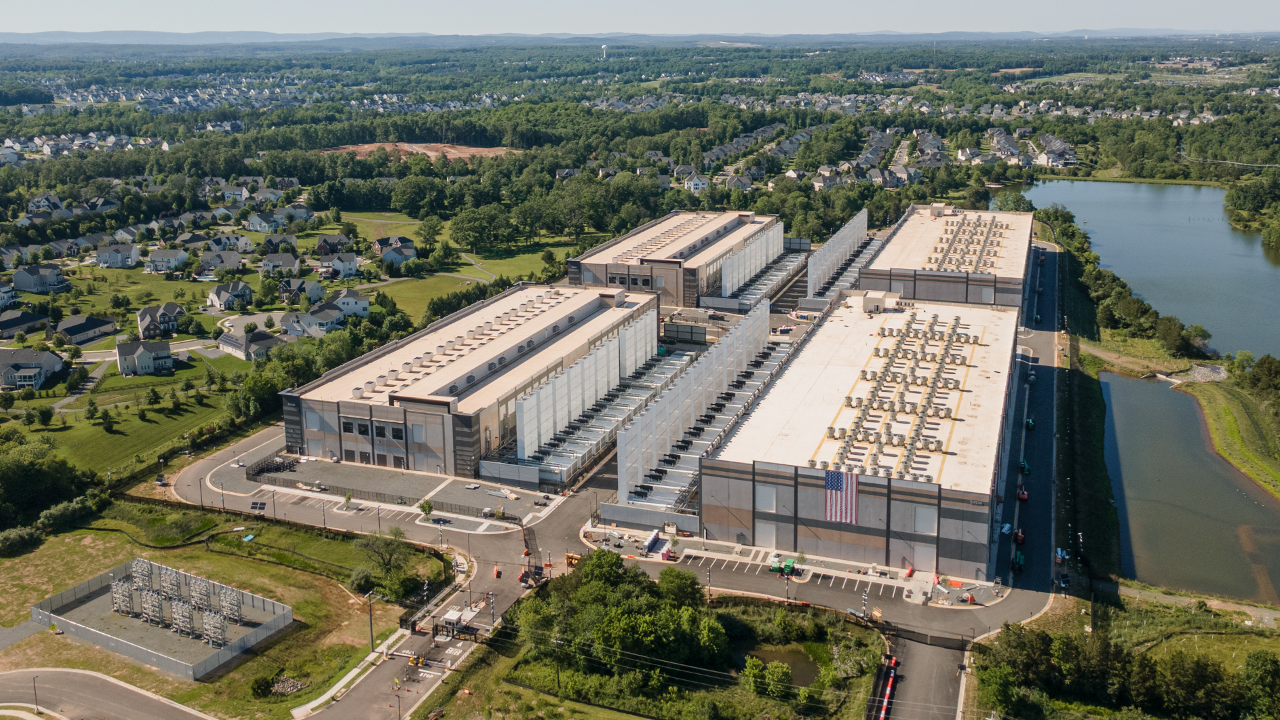
America’s push to stay ahead in artificial intelligence is colliding with a very real question on the ground: how to build the infrastructure without bulldozing the people who live nearby. Data centers are becoming the backbone of the AI economy, but they also bring pressure on power grids, water supplies, and local communities. The challenge is not whether the country should build, but whether it can do it in a way that feels fair, steady, and worth the tradeoffs.
That tension is showing up across the map. More than 200 communities have already passed moratoriums or other limits on data centers, and some states are hitting pause too. Big projects are getting slowed, shelved, or tangled in uncertainty, which sends a clear message that local frustration is not some side issue to ignore.
Those worries are not made up. Families want to know who covers the cost of new power lines, substation upgrades, and all the other infrastructure that comes with giant facilities. They also want straight answers on water use, noise, light pollution, and what happens when a huge industrial site lands next door.
At the same time, America cannot afford to sit still while China keeps charging ahead. AI is already reshaping the economy, and the country that controls the backbone of that system will have the edge in jobs, innovation, and national security. If the United States loses momentum on the physical buildout, the digital future gets a lot less American.
That is why the real answer is not a free-for-all and not a freeze. A better path is a clear compact that gives communities real protections while giving responsible builders a predictable route forward. The idea is simple enough: if a project wants public trust, it has to earn it.
Ratepayers should not be stuck paying for someone else’s expansion plans. Developers can be required to cover the energy and infrastructure costs their projects create, so households and small businesses are not left holding the bag. That kind of rule is basic fairness, and it helps keep support from turning into backlash.
Local resources deserve the same respect. A serious project should manage water use carefully, choose sites responsibly, and take noise and lighting impacts seriously instead of treating them like afterthoughts. Communities are much more likely to welcome growth when the damage is limited and the obligations are clear.
Transparency matters just as much. People deserve early, usable information about energy demand, water needs, and the size of what is being proposed before decisions are basically locked in. If residents can see the numbers and understand the commitments, trust has a much better shot at surviving the process.
Then there is the upside, which should not get lost in the noise. Data centers can expand local tax bases, bring in long-term investment, and create jobs that reach beyond the tech world. In many places, that means real work for electricians, construction crews, maintenance teams, and workers who keep the machines humming long after the ribbon-cutting is over.
That is where the bargain gets interesting. Communities want protection, and they should get it. Developers want speed and certainty, and they can have it too, if the rules are set before the race starts and the standards stay put when the paperwork hits the desk.
America has pulled off this kind of deal before. Big projects only work when everyone knows who pays, who benefits, and what happens when the rules are met. The AI race is not just about chips and code, it is about whether the country can build the backbone of the future without turning every county line into a fight.
The smartest path is the one that keeps the lights on, keeps the promises visible, and keeps the door open for serious investment. When communities are treated like partners instead of obstacles, the country gets a lot closer to building the future on solid ground.
