
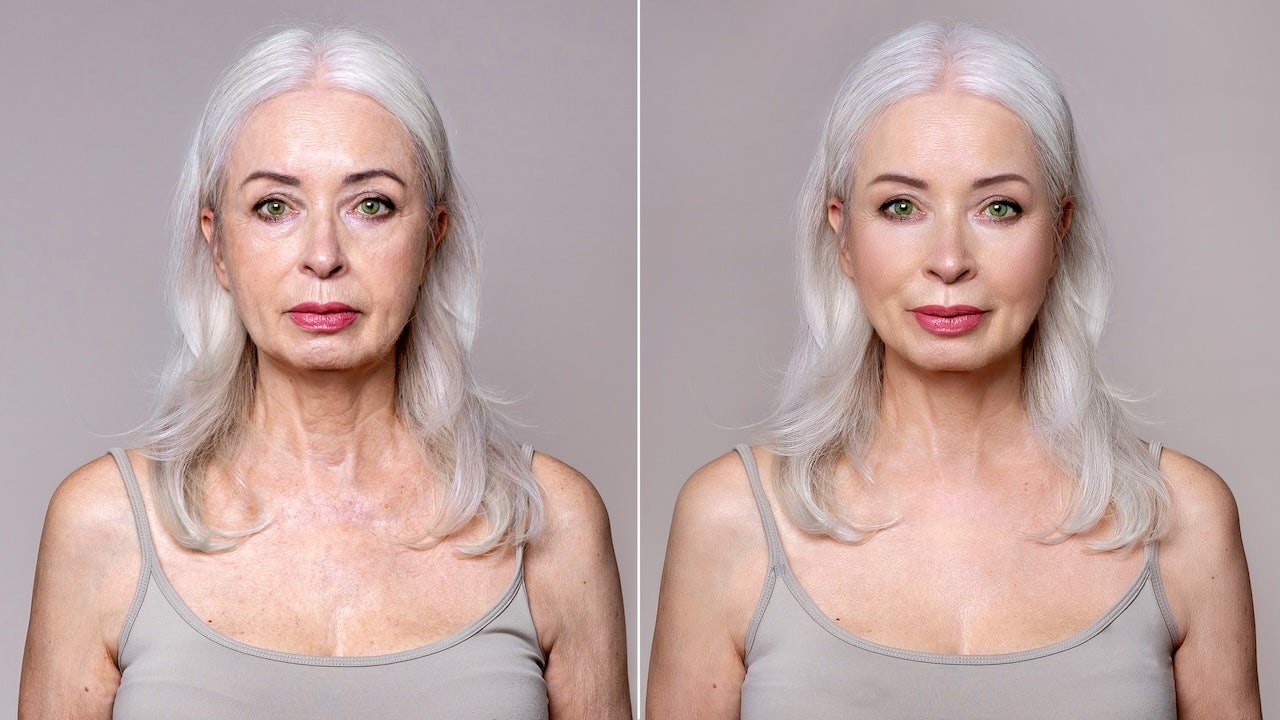
Timing can make or break a facelift decision, and the pressure to act early is getting louder. Dr. Terry Dubrow says some women are asking for surgery long before they truly need it, while others wait so long with fillers and quick fixes that the face starts heading in the wrong direction anyway.
That tension sits at the center of his advice: don’t rush into a facelift just because the idea sounds fashionable, but don’t cling to temporary treatments forever either. In his view, the sweet spot is tied to the face itself, not social media hype, celebrity trends, or a one-size-fits-all age.
Dubrow recently talked about the issue on Josh Peck’s podcast, where he said younger patients are increasingly showing up hoping for early tightening. His message was blunt: if someone is still in their 30s and only wants a little lift, patience may be the better move because new technology could make those early changes easier without surgery.
He pointed to the way public buzz can shift expectations fast. When a high-profile facelift gets praise, people start thinking the procedure is suddenly the answer for everyone, including patients who may not actually have enough laxity to justify cutting, scars, numbness, and the rest of the package that comes with surgery.
Dubrow also warned about the opposite trap, which is staying on what he calls the nonsurgical treadmill for too long. Fillers, lasers, and tightening treatments can help for a while, but they can also become a crutch when the deeper support structures in the face have already started to fall.
That’s where the results can get messy. Too much filler can distort the face instead of refreshing it, and aggressive energy-based treatments can create scarring under the skin, making a later facelift more complicated than it needed to be.
His point is not that nonsurgical options are useless. Used with restraint, they can buy time and keep a face looking natural, but they cannot truly lift sagging tissue that has dropped out of place.
Waiting too long can bring its own risks too. As skin loosens and the tissues descend further, surgery may have to do more work to restore a clean, balanced look, and the later result may be less subtle than what could have been done earlier.
Dubrow made it clear that there is no magic birthday that suddenly tells someone it is time. Genetics, skin quality, jawline changes, and neck aging all matter, which is why one person may be ready in their late 40s while another may not need the same step until their 50s or 60s.
He also emphasized that different specialists tend to see the problem through their own lens. A dermatologist may focus on what can still be improved without surgery, while a board-certified plastic surgeon can explain when those options have run their course and anatomy needs to be repositioned instead of just treated.
That is why getting more than one opinion can be smart. The right call should come from the face in the mirror, not from a trend, a treatment menu, or the fear of missing out on the next big beauty craze.
Dubrow’s broader warning lands with a simple edge: cosmetic work can look amazing when it is timed well, but it can also age badly when the clock is ignored. The goal is not to chase the earliest possible facelift or the latest possible one, but to catch the moment when the face still has enough structure for the result to stay clean, natural, and quietly convincing.
