
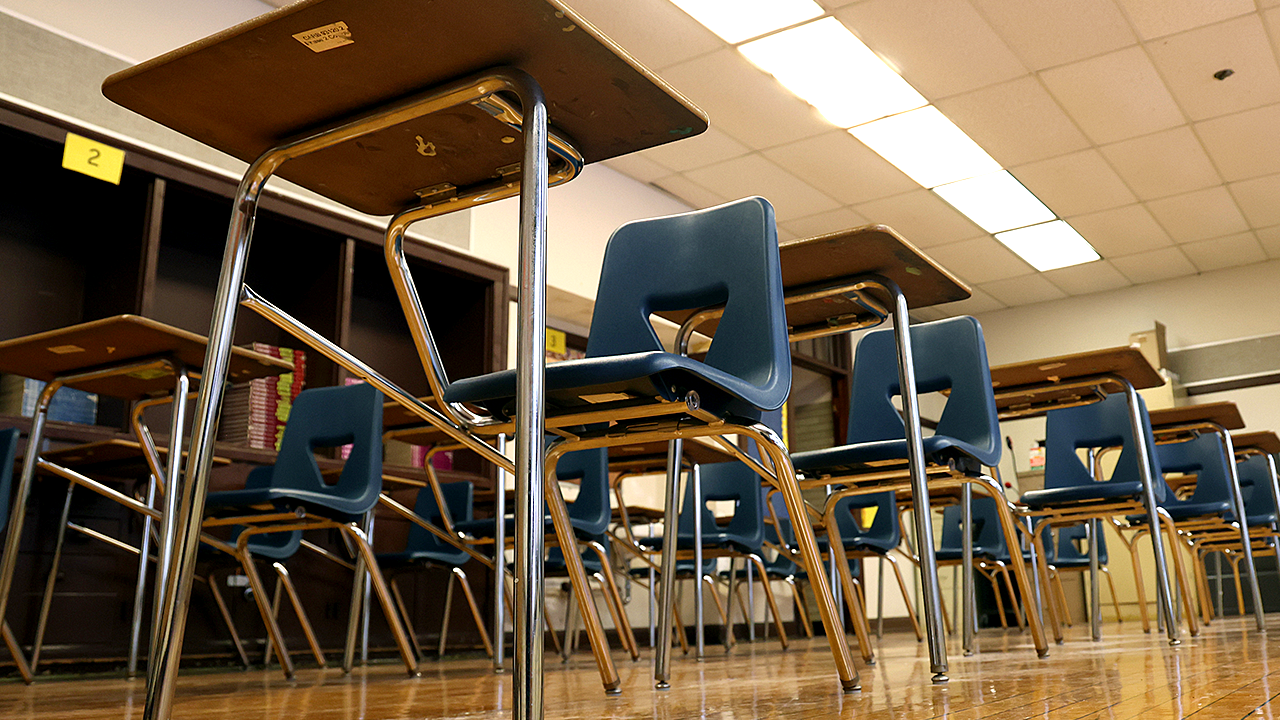
Chicago’s empty school buildings are not just a numbers problem. They point to a deeper breakdown in trust, discipline, and leadership that has pushed families to look elsewhere for their kids’ education.
On the West Side, one school built for 1,000 students had only 27 inside its walls. Citywide, too many campuses are running far below capacity, and the district has lost tens of thousands of students over the past decade. The exodus is being driven by a mix of falling births, families moving away, and a growing belief that the local schools are simply not worth the hassle.
That belief did not appear out of nowhere. Parents hear the same complaints over and over from students who say classrooms are hard to manage, rules are weak, and disruptive behavior is too often tolerated instead of stopped. When young people think they can act out and still get passed along, the whole point of school starts to feel like a joke.
It is easy to blame population shifts alone, but that misses the bigger story. Families on the South Side and West Side are making choices, and many are choosing magnet schools, charter schools, parochial schools, or private schools because they want something better. When a district keeps losing the families it is supposed to serve, that is not random bad luck. That is a warning.
The data backs up what parents are seeing. In Chicago, Black students in selective enrollment high schools are far more likely to read at grade level than Black students in traditional public schools. The gap is even uglier in math, where selective schools post much stronger results and the regular system keeps falling behind.
That kind of contrast changes how people think. Parents do not need a policy lecture to notice when one path leads to stronger results and another keeps producing frustration. They look at the options in front of them and make the obvious choice for their children.
The teachers union has made matters worse by turning school politics into a full-time sport. Instead of staying focused on classrooms, it has poured money and energy into political fights, backed friendly candidates, and resisted reforms that could give families more flexibility. That kind of behavior sends a loud message about who matters most, and it is not the kids.
There is also a deeper cost when schools become platforms for activism instead of places built around learning. Many teachers want nothing to do with that mess. They want order, focus, and the chance to help students build real skills, not spend the year battling chaos while adults in charge posture for cameras and campaigns.
None of this is an attack on teachers as a group. Plenty of them work hard and care deeply, but they are often trapped inside a system that does not let them do their jobs well. When a good teacher says the environment makes it impossible to teach algebra, that should set off alarms, not get brushed aside.
Families are responding the way families always do when given a choice. They go where their children are safest, where learning is taken seriously, and where the adults in charge act like education matters more than ideology. If Chicago wants full schools again, it will have to earn them back one parent at a time.
That means bringing discipline back, putting academics first, and treating parents like partners instead of obstacles. The buildings did not empty out because the city ran out of children. They emptied because too many families stopped believing the system was built to serve them.
