
Chicago’s public school system finds itself grappling with an enormous budget deficit, prompting significant layoffs. The city’s schools are facing a daunting $734 million shortfall, leading to the dismissal of nearly 1,500 teachers and staff members. This situation raises questions about the city’s priorities, especially considering its sanctuary city status and the services provided to illegal immigrants.
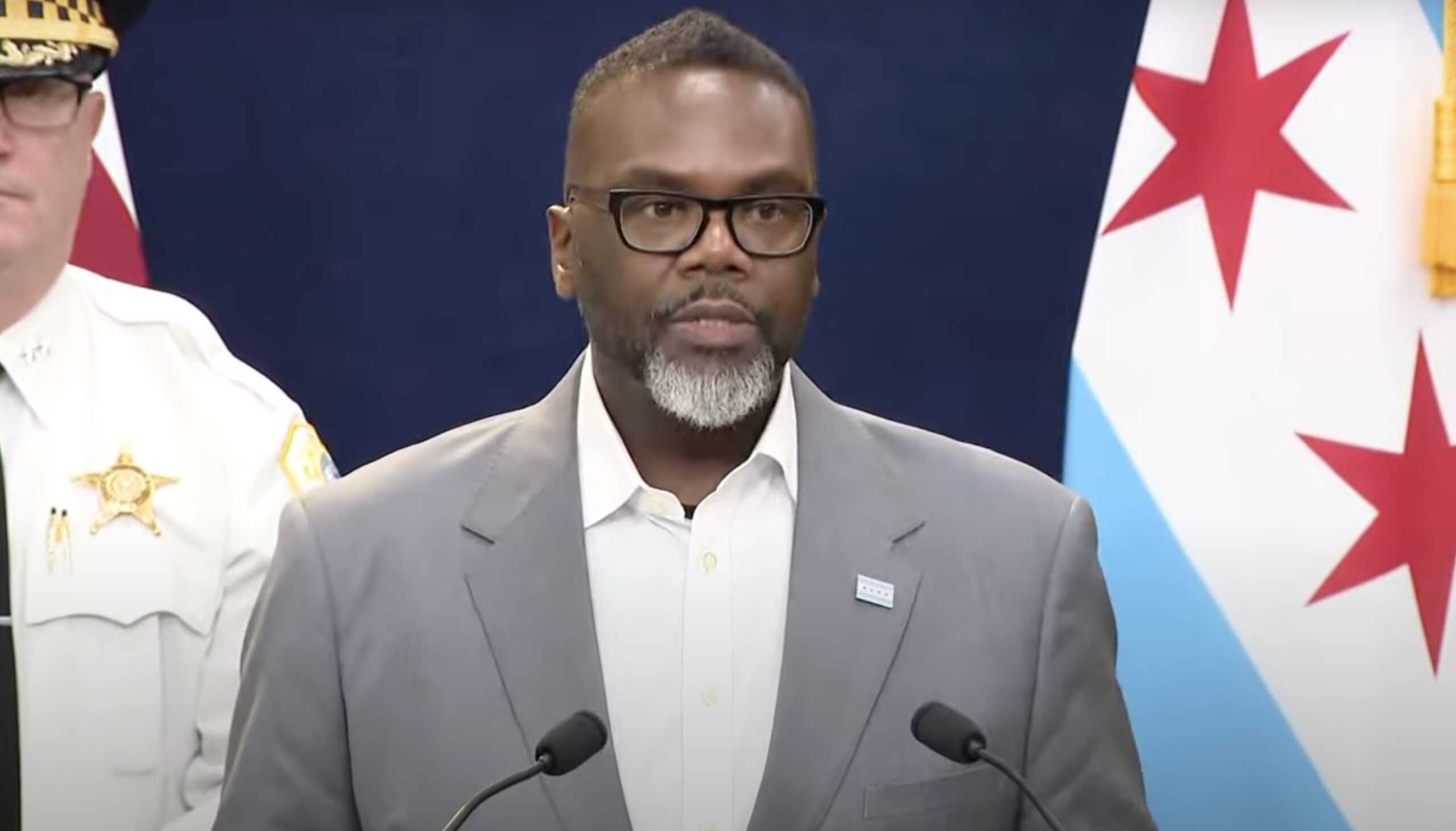
Mayor Brandon Johnson, who has long advocated for Chicago’s sanctuary status, is now under scrutiny. Critics argue that his focus on non-citizens has diverted attention and funds from the essential services that the city’s taxpayers expect. Many believe that the city’s financial woes are a direct result of mismanagement and misplaced priorities.
The Chicago Public Schools (CPS) system has officially declared itself bankrupt, unable to balance its budget for the upcoming year. With 432 teachers and 677 special education classroom assistants among the layoffs, the impact on students and communities is expected to be severe. This decision has sparked outrage among parents and educators, who feel abandoned by local leadership.
NBC News in Chicago highlighted the growing concern among CPS parents and community members. In response to the layoffs, the district organized community listening sessions to gather input and explore solutions. The first session took place at Dyett High School, where attendees expressed their frustration and shared ideas.
Michael Sitkowski, CPS’s chief budget officer, provided a stark overview of the financial situation. “We are $734 million short of potential expenses next year,” he explained, emphasizing the urgent need for additional resources or spending cuts. This financial reality has forced the district to make difficult and unpopular decisions.
The listening sessions aim to engage the community in the budgetary process. Parents, teachers, and even students are participating, hoping to influence the district’s strategy moving forward. These discussions are seen as critical in shaping the future of Chicago’s public education system.
Critics of the current administration see this crisis as a predictable outcome of Democratic governance. Many argue that fiscal irresponsibility and excessive spending on non-citizens have led to the current predicament. They urge voters to reconsider their choices if they want to see meaningful change.
Social media has been buzzing with reactions to the CPS layoffs and the city’s financial crisis. Some voices, like Christian Vaughn, have been vocal about their dissatisfaction with Mayor Johnson’s leadership. Vaughn’s comments reflect a broader sentiment among those who feel that Democratic policies have failed the city.
The situation in Chicago serves as a cautionary tale for other cities, such as New York, which might face similar challenges under left-leaning leadership. Observers warn that without a shift in priorities, more cities could find themselves in financial turmoil. The message is clear: fiscal responsibility must take precedence over political ideology.
The CPS budget crisis has sparked a heated debate about the role of sanctuary cities and their impact on local resources. Proponents of sanctuary policies argue that they protect vulnerable communities, while opponents see them as a drain on public funds. This debate is likely to continue as cities like Chicago navigate their financial futures.
As Chicago grapples with its budget woes, the focus is now on finding viable solutions. The community’s involvement in the process is crucial, as they demand transparency and accountability from their leaders. There is hope that these collective efforts will lead to a more sustainable and equitable education system.
The broader implications of Chicago’s financial crisis extend beyond the city’s borders. It raises questions about the sustainability of sanctuary policies and the long-term impact on public services. Policymakers across the country are watching closely, as they consider the potential consequences for their own communities.
Despite the challenges, some remain optimistic about the future of Chicago’s public schools. They believe that with the right leadership and community support, the district can overcome its current difficulties. However, this optimism is tempered by the harsh realities of the financial situation.
The CPS crisis underscores the importance of prioritizing fiscal responsibility in governance. As cities face mounting pressures, leaders must make tough decisions to ensure the well-being of their constituents. This means reevaluating policies that may contribute to financial instability.
In the wake of the layoffs, CPS leaders are exploring every possible option to balance the budget. This includes seeking additional funding sources and identifying areas for cost reduction. The road ahead is challenging, but there is determination to find a way forward.
The situation in Chicago is a reminder of the complex interplay between politics and public policy. As the city navigates its financial crisis, the choices made today will shape the future of its education system. It is a pivotal moment for leaders and community members alike.
Ultimately, the fate of Chicago’s public schools rests in the hands of those willing to confront the challenges head-on. The path to recovery requires collaboration, innovation, and a commitment to responsible governance. Only time will tell if these efforts will be enough to secure a brighter future for the city’s students and educators.

1 Comment
It’s not just Chicago, it’s the whole state of Illinois!