
Temperature extremes are surprisingly brutal on chainsaws, affecting engines, lubrication, batteries, and metal parts in different ways, and learning how heat and cold damage these tools helps you keep them running when you need them most.
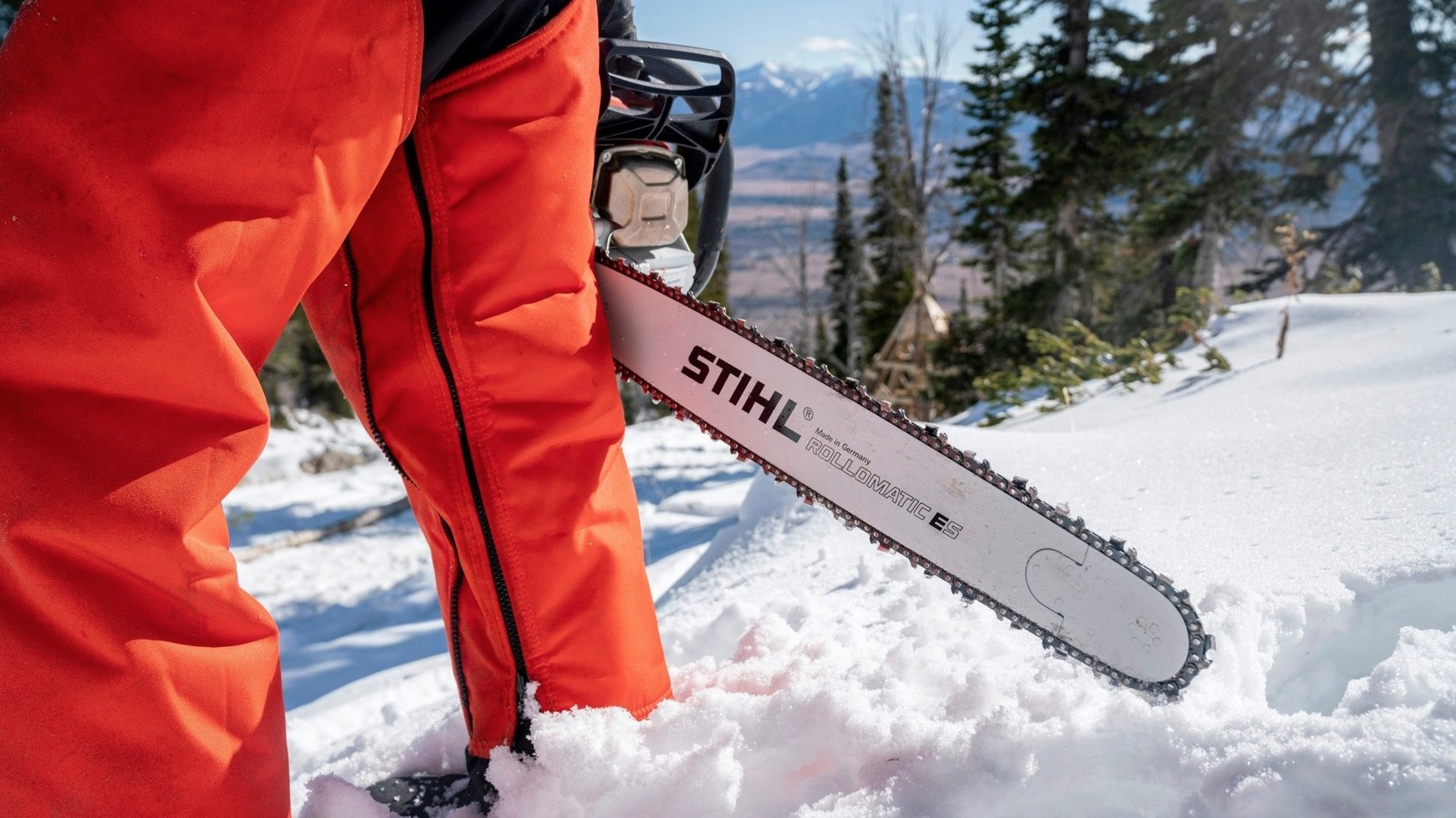
Cold weather hits a chainsaw in predictable and sneaky ways, starting with harder cold starts and slower throttle response that feel like the saw simply doesn’t want to cooperate. Fuel and oil thicken, which strains the starter and can starve moving parts of proper lubrication, while batteries lose capacity fast when the mercury drops. Those problems add up to extra wear and a higher chance of a breakdown out in the yard or woods.
Mechanically, low temperatures make metal and plastic behave poorly in different ways, so tolerances that are fine at room temperature can become trouble spots when everything contracts. Chains tighten as metal shrinks, which raises friction and can lead to premature chain and bar wear or even sudden snapping under load. Seals and gaskets also become less forgiving in the cold, increasing the risk of leaks and letting dirt and moisture do more damage than usual.
On the flip side, heat accelerates chemical and mechanical failure, so hot weather or a hot engine environment can break down oil additives fast and leave moving parts running with thinner-than-expected lubrication. Pistons, bearings, and clutch components run hotter and wear faster, and plastic pieces that are fine in mild weather can deform or soften near prolonged heat sources. Overheating also makes fuel behave differently, contributing to vapor lock or inconsistent carburetor performance if the system isn’t designed for those conditions.
The chain and bar are easy to overlook but they feel temperature stress in clear ways, with hotter conditions encouraging chain stretch and bar warping while cold increases brittleness and the chance of chips or cracks under shock. Bearings and sprockets suffer when oil viscosity is wrong, and clutch shoes that work fine in one season can glaze or fail in another, creating abrupt and dangerous power delivery problems. Regular attention to how a saw behaves in different weather will reveal early signs before a small issue turns into a major repair.
If you have a Stihl model, it’s worth checking whether you have these modes to protect it. Many modern units and accessories are built with seasonal operation in mind, such as carburetor adjustment ranges, cold-start features, or recommended fuel and oil blends for specific climates, and knowing which options your model offers can save you time and money. Reading the manual and confirming what factory settings or optional parts are available helps you match the saw to the environment without guessing.
Practical care still matters: store machines in a stable environment when possible, use winter or summer-rated oils and fuels where recommended, and let the engine reach its normal operating temperature in cold weather before heavy cutting to reduce stress on parts. For battery-powered saws, keeping batteries at room temperature before use and charging them properly will extend life and prevent sudden capacity loss in the field. Simple checks and climate-aware habits go a long way toward keeping a saw reliable across seasons, and they cut down on unexpected downtime when you need power most.
