
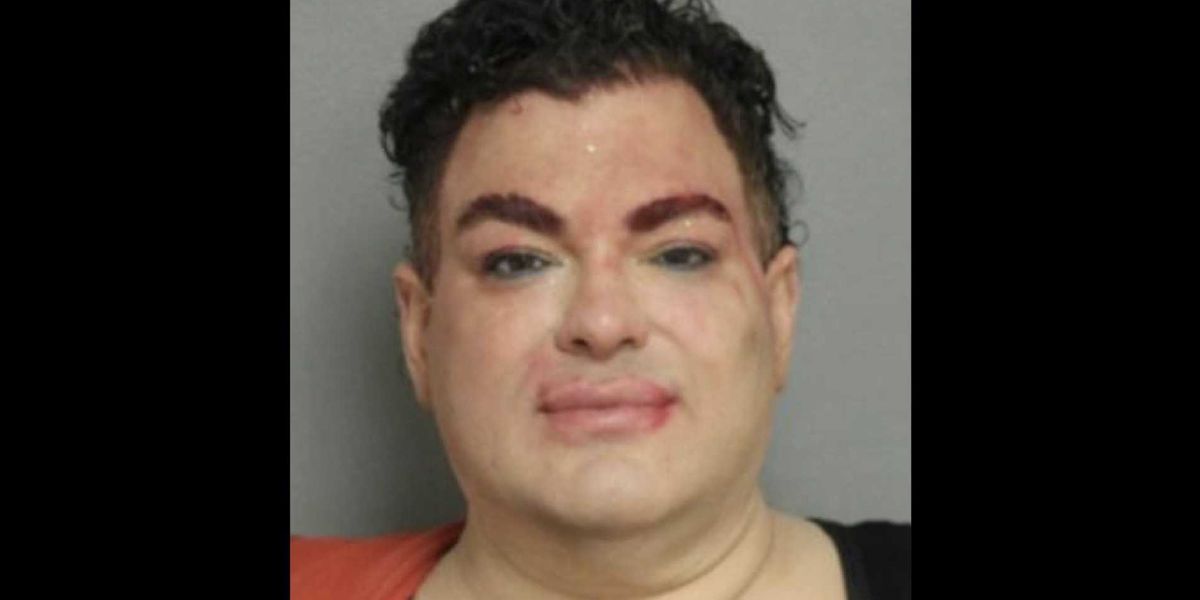
This article lays out the new federal details in the arrest of a former Pride group founder and school board member accused of possessing child sexual abuse material, outlining the allegations, evidence reportedly found on a device, the civic roles he held, and the institutional responses that followed.
Federal prosecutors have disclosed specifics in a case that has alarmed a small New York community. Authorities say the criminal complaint describes troubling files and exchanges tied to the defendant’s phone, and those descriptions have prompted swift local and organizational reactions. The allegations, if proven, point to long-standing and serious criminal behavior that federal agents are treating as a pattern. Community leaders and officials have moved quickly to distance civic institutions from the accused.
The man at the center of the case served as a school district board member and helped organize a local Pride group. He was elected to the board in 2024 and had been a visible figure in local LGBTQ activities, including public performances under a stage name. His role in those civic and cultural spaces added a layer of public scrutiny once federal charges were revealed. Organizers canceled planned events tied to the group after the charges became public.
According to court filings referenced by prosecutors, investigators recovered images and videos described as sexually explicit involving very young children. Among the items detailed in the complaint were a photo depicting a child estimated to be between five and seven years old and multiple videos reportedly involving infants. The documents also cite chat messages where the defendant allegedly admitted sexual interest in minors, including a child he knew personally. Those statements are highlighted as part of the case against him.
Local law enforcement initially offered few specifics, but the federal complaint provided a clearer picture of what agents say they discovered during their probe. The materials allegedly found on the device are described in stark terms in the filings, and federal prosecutors later moved to add charges of receipt and possession of child pornography. Those upgraded charges carry severe penalties under federal law, including the potential for lengthy prison terms and mandatory sex offender registration upon conviction.
The school board that elected him reacted unanimously, requesting his resignation and setting a deadline before they would pursue further action. Board members cited the seriousness of the allegations and the need to protect students and the district’s reputation. Community groups that had supported the Pride organization announced they would disband or suspend activities linked to that group. Several planned public events, including a parade, were canceled in the immediate aftermath.
He performed under the persona “Anita Buffem” at local drag events and maintained a social media presence tied to that stage identity. Performances and public appearances helped raise his profile in town, and some in the community had praised his visibility before the charges surfaced. After the arrest, those same public platforms became focal points for criticism and concern. The collapse of the group he founded was swift once the allegations were made public.
Public records show the defendant was initially charged with state-level counts related to endangering the welfare of a child before federal authorities filed the more serious federal counts. Federal law carries a maximum sentence that can reach decades in prison depending on conviction and specific charges. The case will proceed through the federal court system, where prosecutors will present evidence from digital devices and communications. If convicted, sentencing will include both prison time and post-release requirements under sex offender laws.
Remarks attributed to him in past public appearances drew attention once they resurfaced online and in news reports. “Drag is all about tearing down social norms. None of it is real. We are subscribing to these things, and I find such joy in doing that,” he said during a university event, and later added, “I’ve realized these things, being LGBTQ, being ADHD, these things about me my whole life that have been something that makes me feel like I don’t have value, are what make me so valuable,” he is quoted as saying. “I implore younger people to lean into who [they] are.” Those statements are now part of the public record considered alongside the allegations.
