
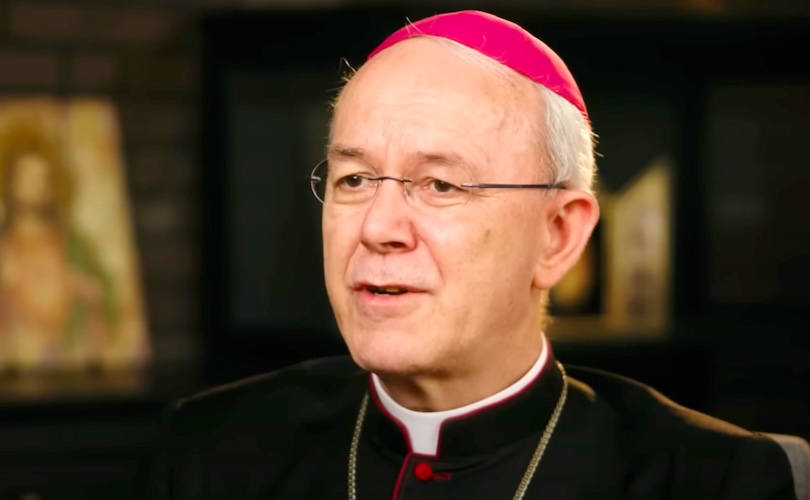
Bishop Athanasius Schneider warns that, as the Society of Saint Pius X moves toward new episcopal consecrations, the Vatican needs to confront the serious doctrinal questions that the group raises; his point is that ecclesial unity requires clear teaching and careful canonical handling before events that could deepen division. This article looks at the core concerns, the theological stakes, the pastoral risks, and the pathways Rome could take to resolve tensions without creating further confusion among the faithful.
Bishop Athanasius Schneider has spoken plainly about the need for Rome to address doctrinal disputes tied to the Society of Saint Pius X before any episcopal consecrations take place. He is not only signaling a procedural worry; he is insisting on theological clarity. When bishops are raised within a context where doctrine is contested, the consequences ripple through parishes, seminaries, and liturgical life.
The Society of Saint Pius X has long been associated with objections to certain post-conciliar developments, especially around liturgy and ecclesiology. Those objections translate into doctrinal questions: what exactly is being taught about the nature of the Church, the reception of the Second Vatican Council, and the correct form of sacramental and liturgical practice. When such foundational matters are in play, it is not enough to handle things merely as a disciplinary or administrative issue.
The prospect of episcopal consecrations connected to the Society raises practical canonical issues. Who has the authority to license or recognize such ordinations? What happens to the sacramental records and the canonical status of communities and clergy who look to these new bishops for pastoral oversight? These are dry-sounding questions, but they matter for parish stability and the spiritual care of people who attend those communities.
There is also a reputational and ecumenical cost. If Rome appears to sidestep substantial doctrinal debate in favor of quick reconciliations, it risks sending the signal that theological coherence is negotiable. That outcome could undermine efforts to speak convincingly with other Christian bodies and to preserve a coherent Catholic witness. For many Catholics, clarity about what the Church teaches is a precondition for true reconciliation.
Pastoral consequences deserve equal weight. Laypeople and priests who are attached to traditional forms of worship deserve pastoral care that neither dismisses their concerns nor overlooks canonical norms. The faithful need certainty about the validity and licitness of sacraments they receive and about the legitimate authority of their pastors. Rome’s response will determine whether pastoral care feels orderly and trustworthy or fragmented and uncertain.
How might Rome proceed? A careful blend of theological dialogue, canonical assessment, and pastoral planning seems essential. Open and rigorous theological conversations could lay out points of agreement and clear red lines where doctrine cannot be compromised. At the same time, canonical processes can be used to set conditions and ensure that any reconciliation does not bypass essential teachings of the Church.
Timing matters. Moves toward reconciliation that appear rushed or that precede a frank doctrinal settlement could make reconciliation hollow and unstable. Conversely, prolonged ambiguity can entrench divisions and push groups further into parallel structures. A balanced approach would prioritize resolving doctrinal ambiguities first while preparing pastoral arrangements that protect the faithful and the Church’s unity.
Ultimately, Bishop Athanasius Schneider’s appeal is a call for courage and clarity from Rome: courage to confront entrenched disagreements and clarity about the teachings that define Catholic identity. The path forward is unlikely to be simple or quick, but the alternative—allowing episcopal acts to proceed without resolving profound doctrinal questions—risks deeper confusion and a weakened witness to the faith.
