
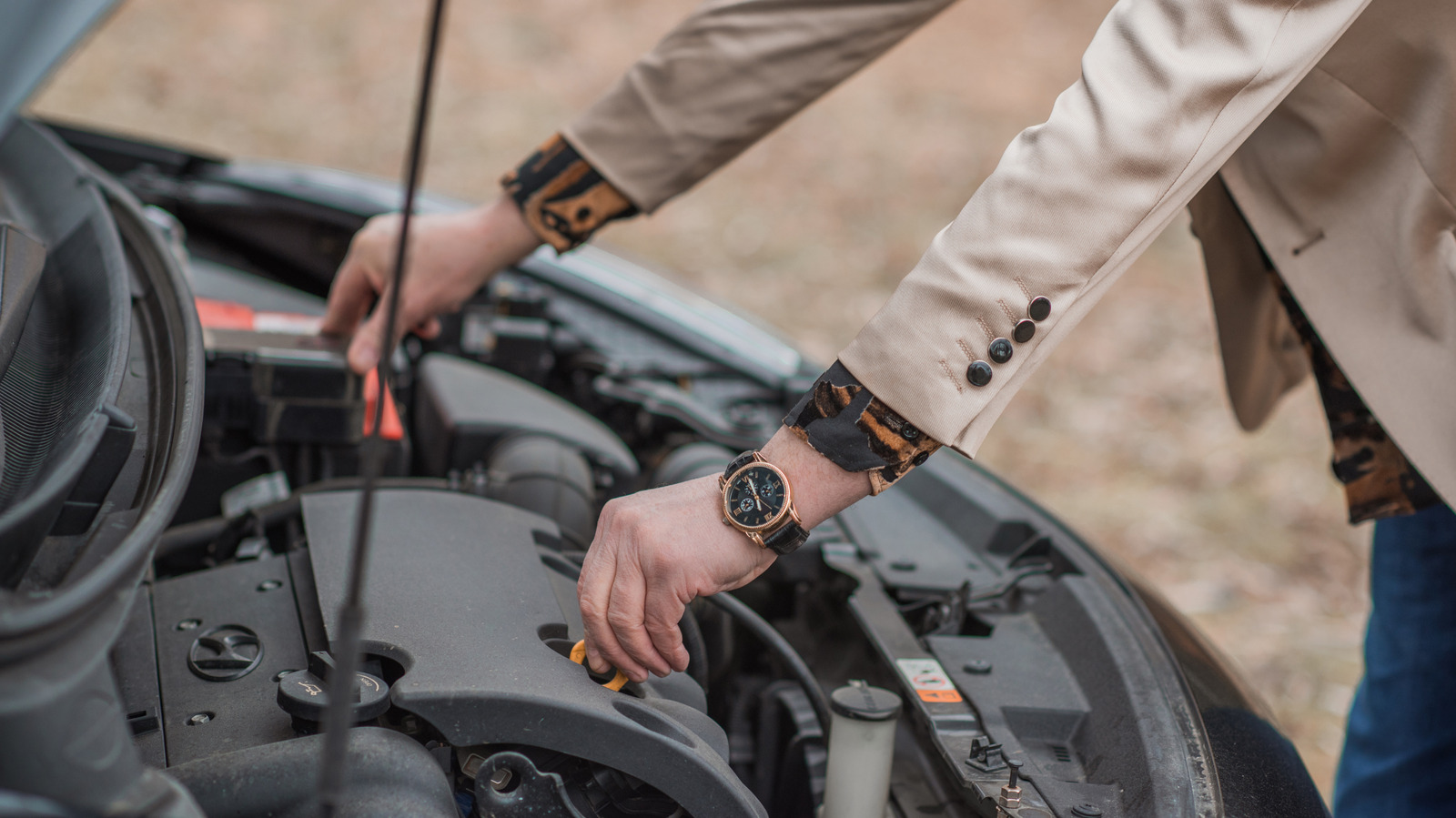
Owning a car is more than commuting and occasional trips; it’s a responsibility that rewards a little attention. This article walks through why basic maintenance matters, what routine checks keep you safe, and how a few simple habits save money and prolong a vehicle’s life. Read on for practical, plain talk about the small things that prevent big headaches.
A car is a mechanical system that responds to neglect, and a few basic checks prevent roadside surprises. Regular attention to tires, fluids, lights, and the battery dramatically reduces the odds of being stranded. Think of maintenance as insurance you control with your own two hands and a willingness to learn.
Tires deserve more credit than they get because they are your only contact with the road and influence safety, fuel use, and comfort. Keeping them properly inflated and inspecting for uneven wear tells you a lot about alignment and suspension. Rotating tires and knowing when tread is too low are straightforward steps that help avoid blowouts and improve mileage.
Fluids are the lifeblood of any vehicle; oil, coolant, brake fluid, and transmission fluid all have roles that matter. Watching levels and colors can reveal leaks or internal wear before small issues turn expensive. Regular fluid checks are quick, often free, and they keep critical systems working the way they were designed to work.
Brakes are one area where paying attention becomes urgent, not just economical. Squealing, longer stopping distances, or a soft pedal are signals you should not ignore. Addressing brake wear early keeps you safe and prevents the kind of repair bills that surprise budgets.
The battery is simple to understand and surprisingly easy to troubleshoot, yet it causes a disproportionate number of no-start situations. Clean terminals and a quick test reveal if the battery is holding charge or heading toward failure. Replacing a tired battery on your terms beats waiting for a cold morning and a dead car to force your hand.
Filters, belts, and lights are small parts with big consequences when they fail. A clogged air filter reduces performance and economy, while worn belts can lead to engine damage if they snap. Check headlights and brake lights regularly because visibility matters for you and everyone around you.
Keeping a modest tool kit and an emergency kit in the trunk is smart, not dramatic; jumper cables, a flashlight, basic hand tools, and a tire inflator cover a lot of common problems. A charged phone, water, and a reflective vest improve safety if you do end up on the roadside. Preparedness cuts stress and gives you options when things go sideways.
Finding a trustworthy mechanic is part skill and part instinct, but basic knowledge helps you spot good service. Ask clear, direct questions about needed repairs, get written estimates, and feel free to walk away if something smells off. Good communication and a willingness to learn a little will save time and money in the long run.
Documentation matters more than most people realize; keeping receipts, noting oil change dates, and tracking tire rotations creates a maintenance record that preserves value. A well-documented car shows care and typically gets better offers when it’s time to sell. Small record-keeping habits turn routine work into long-term peace of mind.
Learning basic maintenance does not require you to become a mechanic, but it does mean paying attention, asking questions, and doing a few simple tasks yourself. Those actions protect your investment, reduce surprises, and keep you safer on the road. With a bit of effort and curiosity, owning a car becomes less of a chore and more of a manageable responsibility.
