
This piece looks at high-profile car redesigns that promised progress but ended up rubbing loyal buyers the wrong way, exploring why some updates break more than they fix and how heritage, proportions, and user expectations get lost in translation.
Designers often chase the future and forget the past, and when a model’s new face or proportions feel alien, the reaction is swift and loud. Enthusiasts notice details most buyers might miss, and losing those cues can turn a welcome refresh into a credibility loss. It is not just nostalgia at work; a strong identity gives a car meaning beyond specs and glossy ads.
Proportions are a silent language that cars speak to their audience, and when a redesign messes with that grammar, everything else sounds off. A long hood, short rear deck, or a particular beltline becomes part of a model’s DNA, and stretching or squashing those cues rewrites the message. Buyers respond emotionally, and once the emotional link is broken, sales and reputation can follow.
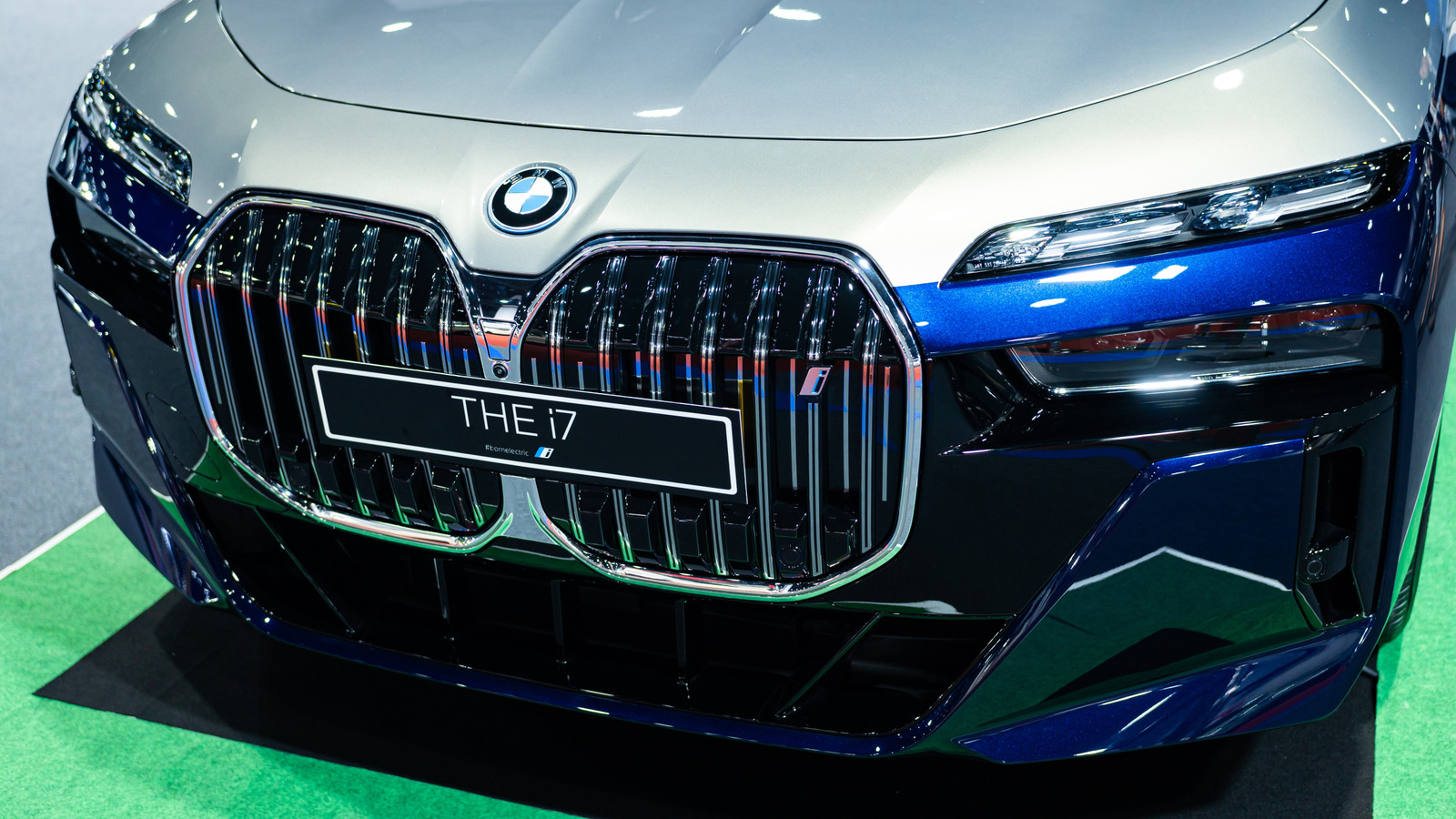
Grilles, headlights, and taillights are the facial expressions of a car, and when they go too far from the original, the result can be uncanny. Overly dramatic front ends or gimmicky lighting signatures attract attention, but not always the good kind. When those elements dominate, they can erase the traits that made a model identifiable on the road and in the dealer lot.
Interior changes can sting even more because they are what owners live with every day. Simplifying controls in the name of modernity is fine until you remove tactile feedback and logical layouts that drivers relied on. Materials and finishes matter too; swapping character-rich textures for sterile surfaces can leave a cabin feeling less like a home and more like a concept mockup.
Sometimes the issue isn’t a single choice but a series of small ones that add up to a character shift. Different steering feel, altered seating position, and a heavier curb weight can make a familiar car feel unfamiliar behind the wheel. The worst redesigns are the ones that leave you wondering whether the model even wants to be the same thing anymore.
For enthusiasts, authenticity is measurable: the sound of an engine, the way a suspension reacts, the visual cues that scream lineage. When redesigns chase crossovers or follow fleeting styling tropes, they risk diluting that authenticity. A model can gain new customers this way, but it often loses its core, and the lost identity is hard to reclaim.
There is a balance to be struck between relevance and reverence, and successful designers know when to push and when to preserve. Subtle evolution keeps a car feeling current without erasing its roots, and thoughtful change can broaden appeal while respecting longtime fans. The brands that manage this trade-off tend to enjoy steady loyalty and fewer messy reputational resets.
Feedback loops matter too; listening to owners, collectors, and even critical silence on social platforms gives companies useful signals about what to keep. Quick fixes rarely fix the underlying perception problem, so meaningful redesigns often take patience, careful research, and a willingness to keep the model’s soul intact. When those elements are missing, a facelift becomes a misstep rather than a milestone.
Ultimately, a car is more than hardware and sheet metal; it is a promise to a community that bought into its character. Redesigns that forget that promise trade short-term shock value for long-term trust. The lesson for brands is simple: honor the cues that created the devotion in the first place, and evolve with intent rather than erase with enthusiasm.
