
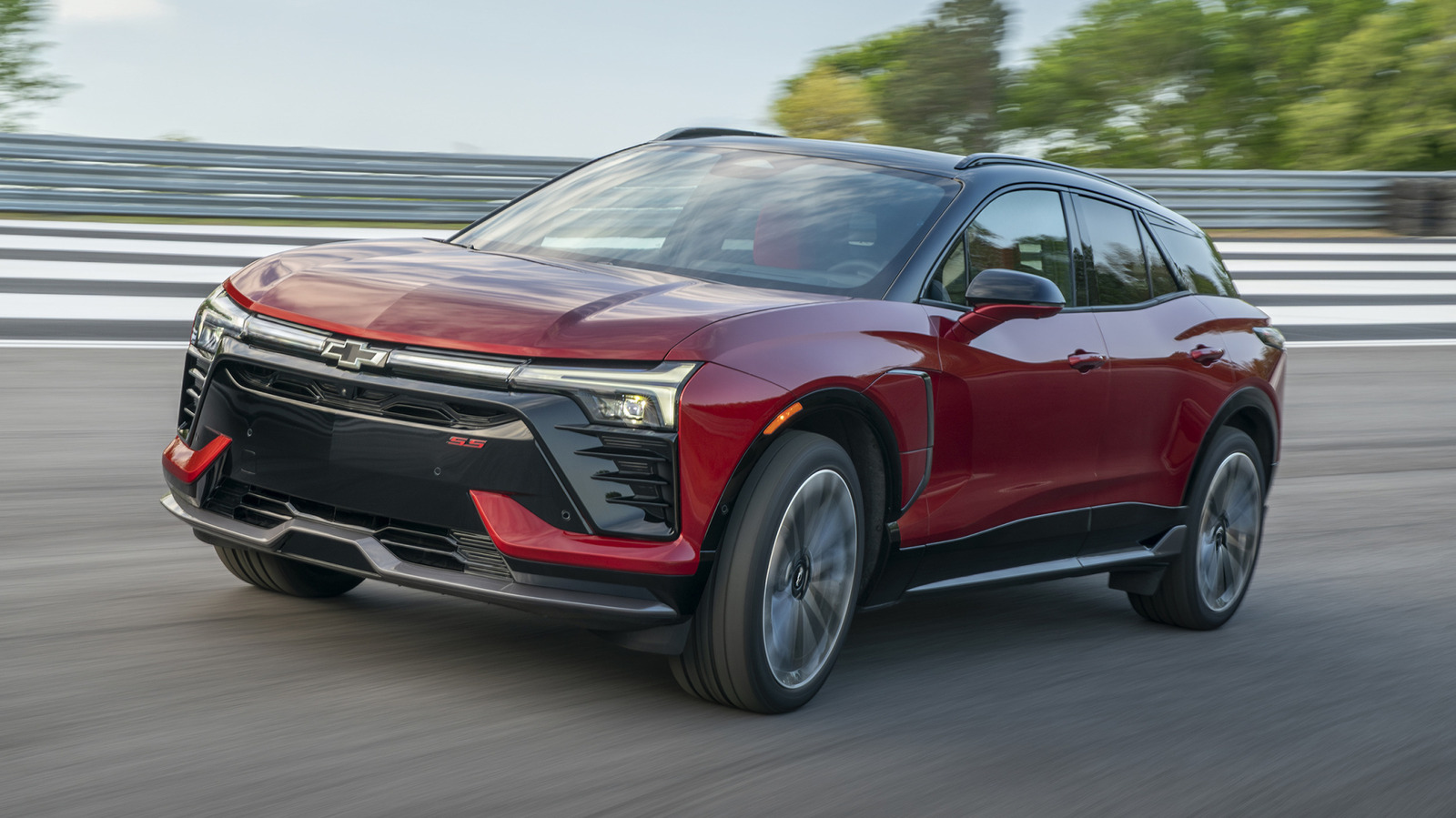
Small SUVs are a big purchase and their resale behavior matters more than most buyers realize. This piece lays out why some small crossovers keep value while others fall fast, what market forces drive those gaps, and practical moves to protect your money when you buy or sell. Read on for clear, no-nonsense guidance on spotting smart choices and common traps to avoid.
Depreciation hits hard because the moment a new SUV leaves the lot it loses value, and that loss adds up over years. For many buyers the long-term cost outweighs monthly payments, so thinking ahead about resale is simple math. Knowing which models hang onto value can save thousands down the road.
Small SUVs that tend to hold value share familiar traits: proven reliability, broad dealer networks, and steady demand. Brands known for low ownership costs often lead the pack because buyers trust them on used lots. Models that are fuel efficient, simple mechanically, and popular with families usually keep a higher percentage of their original price.
On the flip side, some small crossovers drop faster because they chase trendier tech or complicated designs that age poorly. Vehicles with flashy but unproven features, spotty reliability records, or niche appeal can sit longer on used-car lots and lose value faster. High trim levels loaded with fragile electronics also amplify depreciation when those features become expensive to maintain.
Several practical factors accelerate depreciation more than you might think: high mileage, lack of service history, aftermarket modifications, and unpopular colors. Market timing matters too, since floods of lease returns or fresh redesigns push down values across a segment. Fuel price swings and changing emissions rules can make certain powertrains less desirable overnight.
Recent trends have shaken the small SUV landscape. The push toward electrification has created mixed demand for hybrids and plug-in crossovers, and buyers still price-in uncertainty around battery life and replacement costs. Meanwhile, used vehicle inventories have normalized after pandemic turmoil, so resale premiums on certain models have cooled and buyers can be pickier than before.
If you want to protect resale value, start with model selection and trim choices that focus on long-term demand, not just short-term flash. Opt for mainstream colors and well-known powertrains, and avoid heavy personalization that limits appeal. Maintain a full service record, keep mileage reasonable, and consider certified pre-owned programs if you want a buffer against early depreciation.
Selling smart also matters: time your sale before major redesigns hit the market, clean and stage the car as if listing a home, and gather every receipt for routine care. Small investments in tires, brakes, and automotive detail work can lift buyer confidence and pricing. Presenting the SUV as well cared-for often closes deals faster and at better prices than leaving buyers guessing about past treatment.
Buying a small SUV is part practical decision and part market read; you can tilt the odds in your favor by choosing models with a reputation for longevity and by treating ownership like an investment. Watch resale trends, keep maintenance up to date, and let common sense guide optional upgrades so the vehicle stays appealing to the widest pool of buyers. Do that, and your next crossover will cost you less over the long haul than many people expect.
