
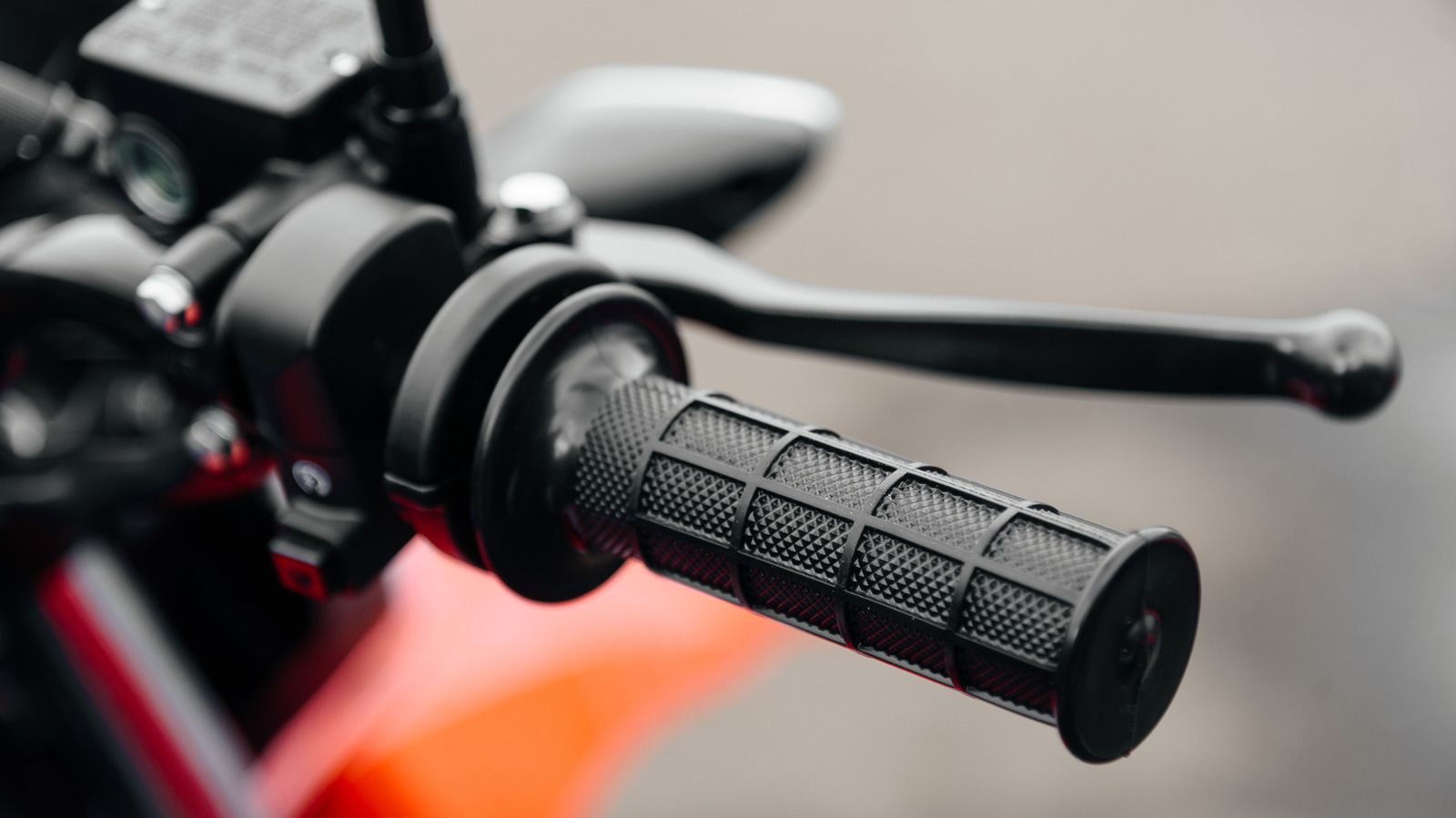
The 70/30 braking rule for motorcycles is a simple guideline that says use about 70 percent front brake and 30 percent rear brake when stopping, and this piece explains why that split works, the physics behind it, how to apply it in everyday and emergency stops, and common mistakes to avoid so you can stop cleaner and safer.
The essence of the 70/30 rule is straightforward: most stopping power lives up front because weight shifts forward when you decelerate. That weight transfer increases the front tire’s traction and reduces the rear tire’s grip, so relying mainly on the front brake makes sense. Using the rear brake too hard can lock the rear wheel and destabilize the bike, especially under sudden braking.
Physics helps explain what feels intuitive. When you brake, inertia shifts mass toward the front wheel and compresses the front suspension, which loads the front tire and allows it to bite harder into the road. That added load means the front brake can deliver far more deceleration before the tire reaches its traction limit. The rear tire, with less vertical load, reaches its limit sooner and is more likely to skid.
Applying this in practice means starting your braking with both brakes but letting the front do the bulk of the work as weight transfers forward. Squeeze the front lever progressively, not abruptly, and use the rear brake to stabilize and fine tune speed rather than to haul the bike down. In normal stops you will notice the front lever requiring more modulation and the rear pedal being used lightly to keep the bike settled.
ABS changes how riders should think about the split but not the principle. On bikes with good ABS, you can rely more confidently on the front brake because the system prevents wheel lockup at the front. That said, ABS systems vary and can behave differently on loose surfaces, so a rider still benefits from modulating both brakes and feeling how the bike responds. ABS is an aid but not a substitute for proper technique.
Road surface matters a lot for how you divide your braking effort. Wet, gravelly, or sandy surfaces reduce overall traction and shift the balance toward gentler, more progressive braking. On low traction you still favor the front while being very smooth on the lever, and you may rely more on engine braking to keep the wheels from exceeding traction limits. Always adapt the 70/30 concept to the grip you actually have under your tires.
Emergency stops are where the rule gets tested. In a panic stop you need to apply massive front brake pressure quickly while maintaining control with the rear. Practice helps you do that without losing composure. Training drills where you practice hard stops from different speeds teach your body how much pressure to apply and how the bike behaves as weight transfers and suspension compresses.
Cornering complicates the picture because leaning reduces available traction and changes which tire can be loaded effectively. In a corner, avoid heavy front braking unless you are upright and straightening the bike. Light rear brake can help settle the chassis mid-corner, but the 70/30 split is mainly a guideline for upright, straight-line braking. If you must scrub speed while leaned, prioritize smoothness and exit the lean before heavy braking.
Common mistakes include jamming the rear brake first, which can lift the rear and unsettle the bike, and grabbing the front lever too abruptly without trail braking practice, which can lock the front on poor surfaces. Another error is relying entirely on one brake; even in strong front braking you should use the rear to help manage balance and keep the suspension stable. Practice smooth transitions between brakes so your inputs become second nature.
Braking technique improves with low-stress repetition. Find an empty parking lot, mark stopping points, and practice progressive lever squeeze and rear pedal modulation from different speeds. Pay attention to how the front suspension compresses and how much pressure the front lever needs as you repeat the drill. The goal is to internalize a smooth, confidence-building sequence where the front handles the work and the rear supports the bike.
Mental approach matters as much as mechanical technique. Accept that the front brake is the primary tool and commit to practicing controlled, powerful stops without panicking. Keep your gaze on where you want to stop, breathe, and execute a smooth front lever application with a supportive rear input. Over time the 70/30 split will feel natural and your stops will be shorter, straighter, and safer.
