
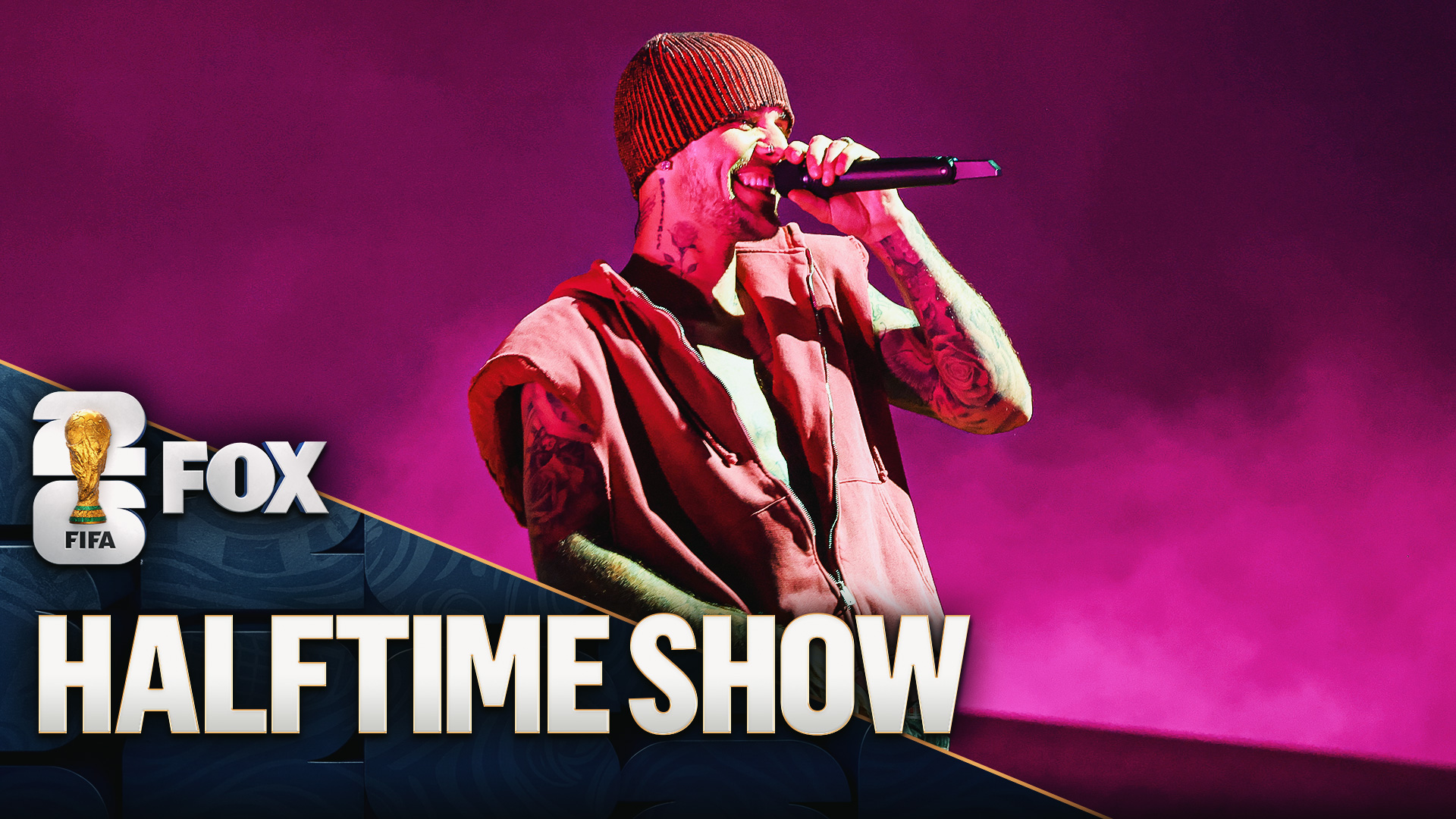
Justin Bieber will headline the halftime show at the 2026 FIFA World Cup final on July 19 at New York New Jersey Stadium, delivering a global pop moment amid the biggest match of the tournament. This announcement sets the stage for a collision of stadium spectacle and chart-topping performance watched by millions around the world. The piece below walks through what that means for the event, the artist, and the fans tuning in.
The choice of Justin Bieber for the final’s halftime show brings a major pop name to one of sport’s largest stages, with the performance slated for July 19 at New York New Jersey Stadium. The World Cup final is one of the most watched hours in live sports, so the halftime slot instantly becomes a cultural appointment beyond the match itself. Bieber’s involvement signals organizers want global pop appeal at the center of the celebration.
For fans, a halftime show like this is about spectacle as much as song selection, and expectations are high for a tightly produced set that looks and sounds massive in a stadium environment. Bieber’s catalog includes multiple eras and hit singles that can be reshaped into a fast-paced, high-energy performance designed to translate on television and in the stands. Producers will need to balance choreography, staging, and vocal delivery so the moment lands on both the pitch and the screens at home.
Social media reaction to the announcement is already part of the story, with supporters celebrating the pick and critics debating whether a pop superstar is the right fit for a sporting final. That back-and-forth is typical whenever pop culture meets a major sporting event, and it tends to boost overall interest in the broadcast. The halftime production will likely lean into those conversations with surprises and visual moments meant to get people talking on and off platform.
Putting together a halftime show of this scale is a logistical feat, involving tight timing, coordinated camera work, and a crew capable of changing the feel of a stadium in minutes. There are also practical considerations like sound balance for thousands in the venue versus millions watching remotely, along with security and access protocols for performers and technical staff. The final product has to be seamless, because there is little room for error when millions of viewers are watching live.
From Bieber’s perspective, this stage is an opportunity to connect with a huge, diverse audience in a format that rewards bold, concise storytelling through music. His recent work and touring history have shown a willingness to adapt and reinvent pieces of his catalog for different contexts, which suggests the halftime set could be a curated run of high-impact moments rather than a straightforward greatest hits parade. Fans will be watching for which eras he leans on and whether he brings unexpected arrangements or staging choices to the performance.
What happens on July 19 will be measured not just in ticket sales or viewership numbers but in how the performance lands culturally in the days that follow, from highlight clips to watercooler conversation. There is a palpable sense of anticipation about a pop artist taking on one of the world’s biggest live moments, and that anticipation is where the halftime show earns much of its power. Whether it becomes an instantly iconic moment or just another headline, the matchup of Justin Bieber and the World Cup final promises a memorable convergence of music and sport.
