
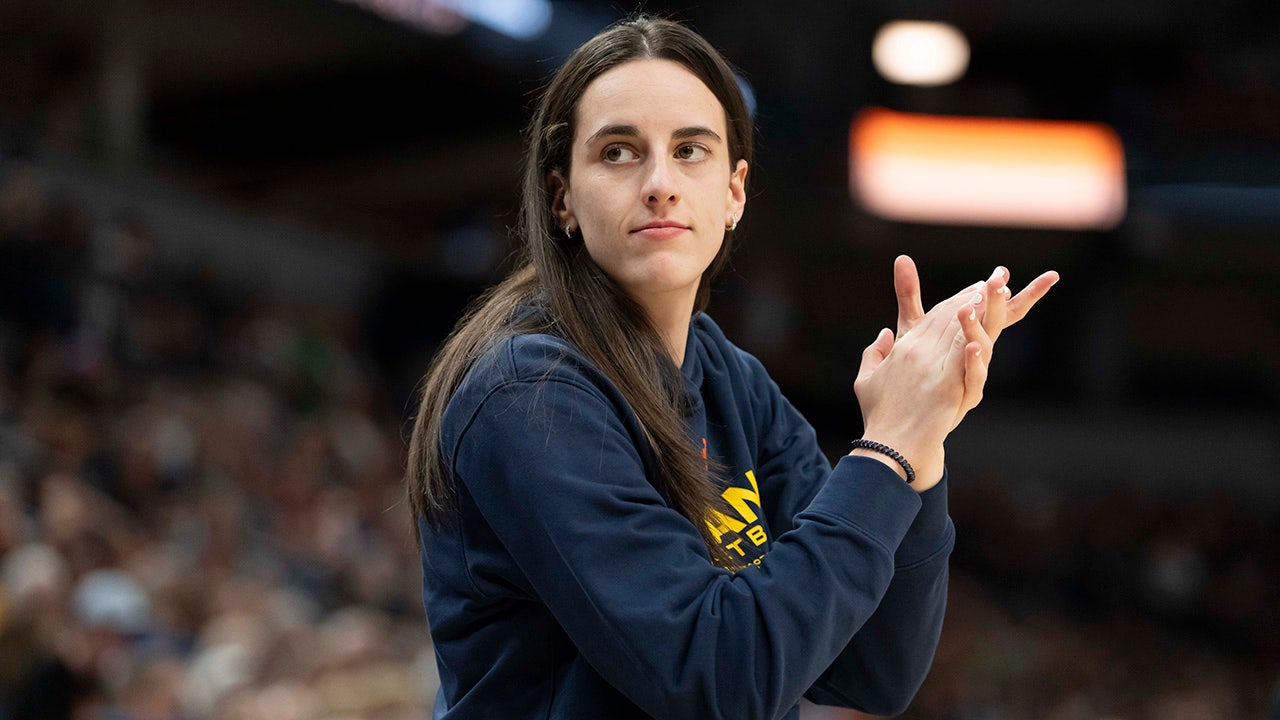
Caitlin Clark said she is “100% healthy” heading into Indiana Fever training camp after quad, groin and ankle injuries hampered her 2025 WNBA season. This article examines how she got to this point, what the Fever might expect, and why the narrative around her recovery matters to the team and fans. We look at the practical steps of rehabilitation, adjustments to her role, and what to watch during camp and early season play.
The road back from a season disrupted by quad, groin and ankle problems was never going to be purely physical; it was mental, too. Clark’s return is about rebuilding trust in her body and moving past the stop-start rhythm that injuries create. The Fever’s trainers and medical staff have been cautious but optimistic, focusing on incremental load increases rather than rushing her back for one dramatic moment.
From a basketball standpoint, the key question is how her conditioning will translate to game speed and endurance over 34 regular-season games. Clark’s skill set centers on elite shooting, court vision, and playmaking, but those traits live or die on how fresh she is late in games. Training camp gives the Fever a chance to test rotations, manage minutes, and find a balance between showcasing Clark’s strengths and protecting long-term availability.
Expectations around Clark are intense because she arrived with sky-high attention and immediate legitimacy as a franchise cornerstone. That spotlight can sharpen performance and magnify missteps, so the Fever have to manage narrative as carefully as minutes. Internal conversations will likely focus on pacing the season, integrating defensive responsibilities, and creating schemes that preserve her shot opportunities without exposing lingering mobility issues.
On the tactical side, coaches will evaluate whether to tweak offensive sets to reduce high-impact drives and instead emphasize spacing and catch-and-shoot situations. That preserves her scoring punch while minimizing repetitive stress on recovering areas. Defensively, the team faces choices about matchups and whether to hide Clark defensively at times to keep her fresh for key offensive possessions.
Her teammates’ role in this transition can’t be overstated; chemistry built in practice often pays dividends when soreness and fatigue emerge midseason. Guard and wing depth will be tested as the Fever balance creativity with protection. Veteran leadership and a willingness to adjust on the fly will help the roster weather the inevitable bumps inherent in a comeback year.
For fans and media, patience will be the hardest currency to secure, because every preseason moment will be framed as proof of readiness or evidence of vulnerability. The Fever’s communication strategy should emphasize steady progress and concrete benchmarks rather than binary healthy-or-not headlines. When the noise dies down, measurable game performance and consistent availability are what really matter.
Training camp will reveal concrete signals to watch: minutes where she shows late-game legs, shots off screens that don’t require heavy cuts, and defensive effort that holds up against quick guards. Early-season minutes allocation will give the best hint at the broader plan — whether the team leans into a conservative ramp-up or decides the risk-reward of full workload is worth taking. The Fever’s approach will set the tone for Clark’s second season and for how the franchise defines success around her presence.
Clark’s statement of being fully healthy is a welcome headline, but real validation comes in consistent, physical play under pressure. The Fever have a chance to build a sustainable path forward that maximizes her impact while guarding against repeat setbacks. If training camp goes smoothly, the league should expect the version of Clark who can score, create, and alter games without becoming a liability to her own longevity.
