
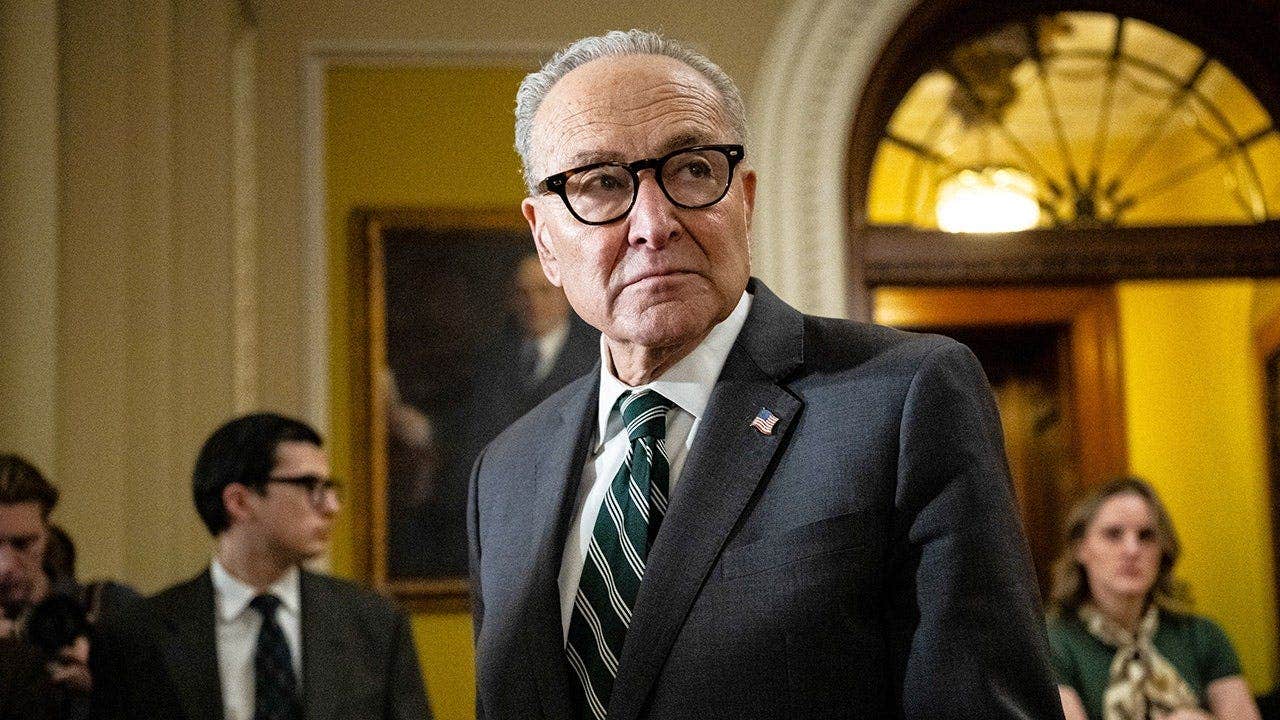
Sen. Chuck Schumer called on FIFA to cover NJ Transit’s $48 million World Cup transportation bill as round-trip train fares soared to $150 per ticket, and that request has stirred a debate over who should pay when a global event strains local infrastructure. This article looks at the price spike for commuters, the burden on taxpayers, the role of FIFA, and what stricter accountability might look like from a conservative perspective.
The headline grabber here is simple and sharp: Sen. Chuck Schumer called on FIFA to cover NJ Transit’s $48 million World Cup transportation bill as round-trip train fares soared to $150 per ticket. That line captures the tension between a federal senator asking an international organization to step in and the reality of residents seeing sticker shock at the ticket window. For many commuters, that sudden leap in cost feels like a slap in the face after years of service failures. It also raises the question of why taxpayers should make up the difference when an event benefits international visitors and media, not local riders.
From a Republican perspective, the first issue is accountability. NJ Transit has long been criticized for inefficiency and poor management, and letting a single event create a multimillion-dollar deficit only highlights those problems. If federal or state politicians want to shield residents from price spikes, they should demand rigorous audits and clear plans to stop repeated shortfalls. Simply turning to FIFA or federal funds is a Band-Aid that avoids fixing structural failings in transit operations and oversight.
Second, the idea that FIFA should be on the hook makes sense in principle because the World Cup is a global enterprise that drives private revenue. When a private or quasi-private event brings huge crowds and commercial gain to a region, the organization running the event should carry a fair share of the costs for transportation and security. Republicans favor asking organizers to pay rather than increasing taxes or dipping into general transit coffers that riders rely on daily. That approach discourages moral hazard and encourages better contract terms in future events.
Third, the sudden surge to $150 round-trip fares feels like price gouging to many commuters, though technically it reflects demand and capacity limits. Policymakers need to balance market realities with fairness: surge pricing is one thing, but charging long-term residents extreme rates because of a temporary event is another. Elected officials who push for special deals should also push for protections for regular riders, such as capped fares for season pass holders or emergency subsidies targeted at low-income commuters. Those targeted fixes are fiscally responsible and politically defensible.
Fourth, there is a transparency problem. Contracts between host cities, transit agencies, and event organizers should be public enough for taxpayers to see the liabilities involved. Too often special event agreements hide the real costs until the bill arrives, and then officials scramble. Republicans should insist on full disclosure before commitments are made so voters know what they are being asked to underwrite and can hold leaders accountable at the ballot box.
Fifth, the optics of a senator publicly calling on FIFA are mixed. It is appropriate to pressure a global body to pay its fair share, but it is also reasonable to ask why local transit failed to plan for peak demand without relying on external bailouts. Constituents want leaders who enforce contracts, tighten budgets, and stop the recurring cycle of crises followed by emergency spending. Strong oversight and private-sector accountability deliver results without expanding permanent subsidies or shifting costs off balance sheets in opaque ways.
Finally, there are practical solutions that align with fiscal conservative values: require event organizers to post bonds that cover transportation surges, negotiate revenue-sharing agreements that compensate local systems, and set up contingency plans that protect regular commuters. Those steps shift risk back to the parties profiting from the event and shield taxpayers from surprise bills. If leaders act now to change the rules, future events can be hosted without turning routine riders into unwilling donors for international spectacles.
