
BRP may not be the flashiest name in powersports, but its brand lineup is packed with machines people actually know, ride, and swear by. From snowmobiles and personal watercraft to ATVs, side-by-sides, motorcycles, and the engines that keep them moving, the company has built a sprawling identity around performance, terrain, and speed. The names under its umbrella each have their own history, and together they show how BRP turned one winter-focused Canadian business into a major force across snow, water, dirt, and pavement.
BRP began as part of Bombardier’s long engineering story, which started in Quebec in the early 1900s when Joseph-Armand Bombardier was working on vehicles that could handle snow. Those early ideas led to a company in 1942, and over time the business expanded far beyond recreational machines into aircraft and trains. When the recreational division was spun off in 2003, BRP emerged as its own company and kept pushing deeper into the powersports world.
Ski-Doo is where that legacy really hits home. The brand grew out of Bombardier’s early snow vehicles, which were practical winter transports before they became anything like modern sleds. The smaller Ski-Doo arrived in 1959 and helped turn snowmobiling into something far bigger than a survival tool, eventually becoming a sport and a culture all its own.
Over the years, Ski-Doo evolved with the times and kept changing how riders experienced snow. The REV platform in 2003 was a major shift because it moved the rider forward and changed the sled’s balance in a meaningful way. That kind of redesign helped keep Ski-Doo relevant as the brand moved from utility into a wide spread of recreational and performance models.
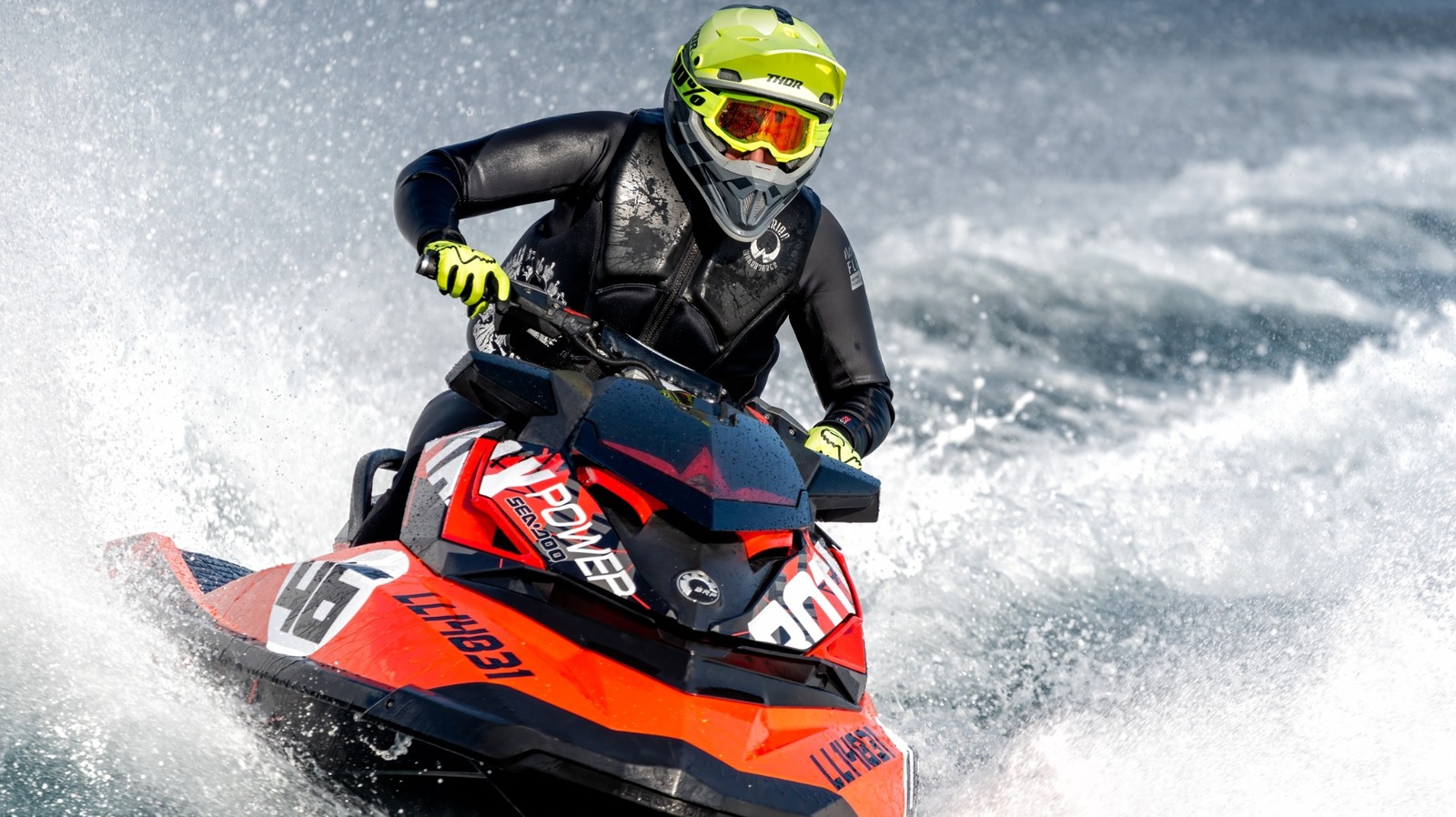
Sea-Doo took the same inventive spirit and splashed it onto the water. Bombardier introduced the first Sea-Doo in 1968 after working with inventor Clayton Jacobson II, years before Kawasaki’s Jet Ski made its debut. The early machines were ambitious, a little rough around the edges, and not always easy to live with, but the idea was too good to stay down for long.
When Sea-Doo returned in 1988, it came back with a sharper focus and a willingness to innovate. Features like iBR, which adds braking and reversing in a more intuitive way, helped set the brand apart from older personal watercraft designs. From compact recreation models to family-friendly rides and fishing setups, Sea-Doo now covers a lot of water.
Lynx brings a tougher, more northern personality to BRP’s snowmobile lineup. The brand began in Finland in 1968, where harsh conditions demanded machines that could take punishment and keep going. BRP bought into Lynx in 1988, and the brand still carries that Scandinavian edge from its assembly base in Finnish Lapland.
What makes Lynx interesting is that it does not simply duplicate Ski-Doo. It leans into a more aggressive riding style and a different kind of snowmobile culture, one shaped by rough terrain and active body movement. Lynx entered North America only in 2021, giving riders a new option with serious Nordic character.
Can-Am is the most wide-ranging name in the family, and that evolution has been dramatic. It started in 1973 as a motorcycle brand built for motocross and endurance racing, then earned a strong reputation before the original bike line faded away. BRP revived the name in 2007 for ATVs, and from there it kept stretching into new categories without losing its edge.
That stretch led to the Spyder, the Ryker, the Commander, and eventually a return to two-wheel motorcycles, this time with electric models like the Pulse and Origin. Can-Am also added an electric ATV option, which shows how BRP is still pushing the brand into new territory. It feels less like a revival than a reinvention that keeps finding new wheels to bolt on.
Rotax is the quieter name in the lineup, but it may be the most important one. BRP’s engines, especially across Ski-Doo, Sea-Doo, Can-Am, and Lynx, depend heavily on Rotax power, and the company’s roots go back to 1920 in Germany before later moving to Austria. BRP’s relationship with Rotax began when Joseph-Armand Bombardier started using its engines in Ski-Doo snowmobiles, and the acquisition followed in 1970.
Rotax has never been limited to one lane, either. It powers aircraft, racing karts, and other specialized equipment, and it even runs its own Rotax MAX Challenge racing series. That reach gives BRP a kind of engineering backbone that ties all the other brands together without making them feel the same.
