
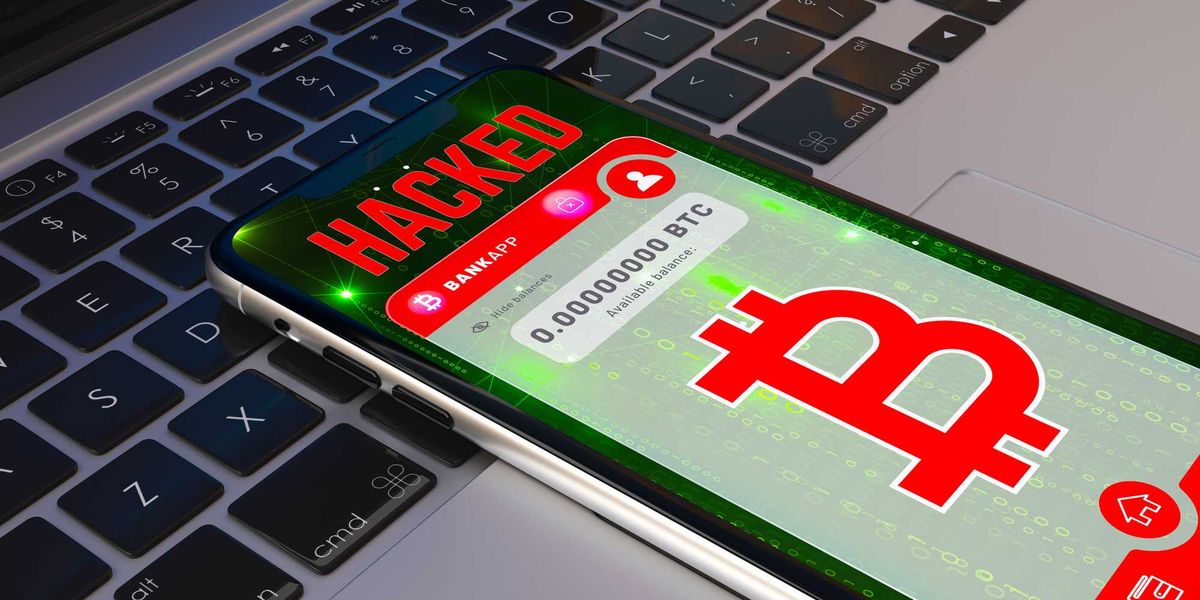
A simple savings habit can turn messy fast when security slips, and the way money is stored can make the difference between a safe cushion and an empty account. As more people split cash between banks, apps, and digital assets, the weakest link is often not the market or the economy, but the setup itself. That reality is pushing account holders to think harder about how access, protection, and convenience all fit together.
Security has become part of everyday money management, not just something for businesses or tech pros. A password that is too easy, a phone left exposed, or a storage method that puts everything in one place can invite problems before anyone notices. In a world where online access is normal, a few small mistakes can carry a bigger price than many people expect.
Traditional bank savings still hold a lot of appeal because they come with familiar guardrails and a structure people trust. Even so, those guardrails only help when the account itself is well protected and the owner keeps tight control over login details and recovery methods. Weak habits can undo the safety people assume they already have.
Digital wallets and app-based money tools add speed and flexibility, but they also make protection more personal. The account holder is often the first and last line of defense, which means security settings matter just as much as the balance on the screen. When access is tied to a single device or a single password, losing either can become a painful lesson.
Bitcoin and other crypto holdings add another layer of risk because storage choices can shape what happens if something goes wrong. A person who treats digital assets like a casual app balance may be shocked by how quickly access can disappear after a breach, forgotten key, or bad backup plan. That is why storage methods are often the real story, not just the coin itself.
People chasing convenience tend to underestimate how much exposure comes with putting everything in one basket. A phone, a cloud account, or one simple login can feel efficient until it is compromised, and then the damage spreads across savings, spending, and assets all at once. Spreading funds and keeping recovery tools locked down can make a huge difference when trouble hits.
Good security also depends on discipline, which is a lot less exciting than a flashy app or a fast transfer. Regularly updating passwords, turning on strong verification, and knowing where backup information lives can sound boring, but boring often wins in finance. The goal is not to make money harder to use, only harder to steal.
The broader message is blunt: money stored online is only as safe as the habits behind it. As more households mix banking, digital payments, and crypto, the smartest move is paying attention before a breach forces the issue. By the time access is lost, the damage is already doing its work.
