
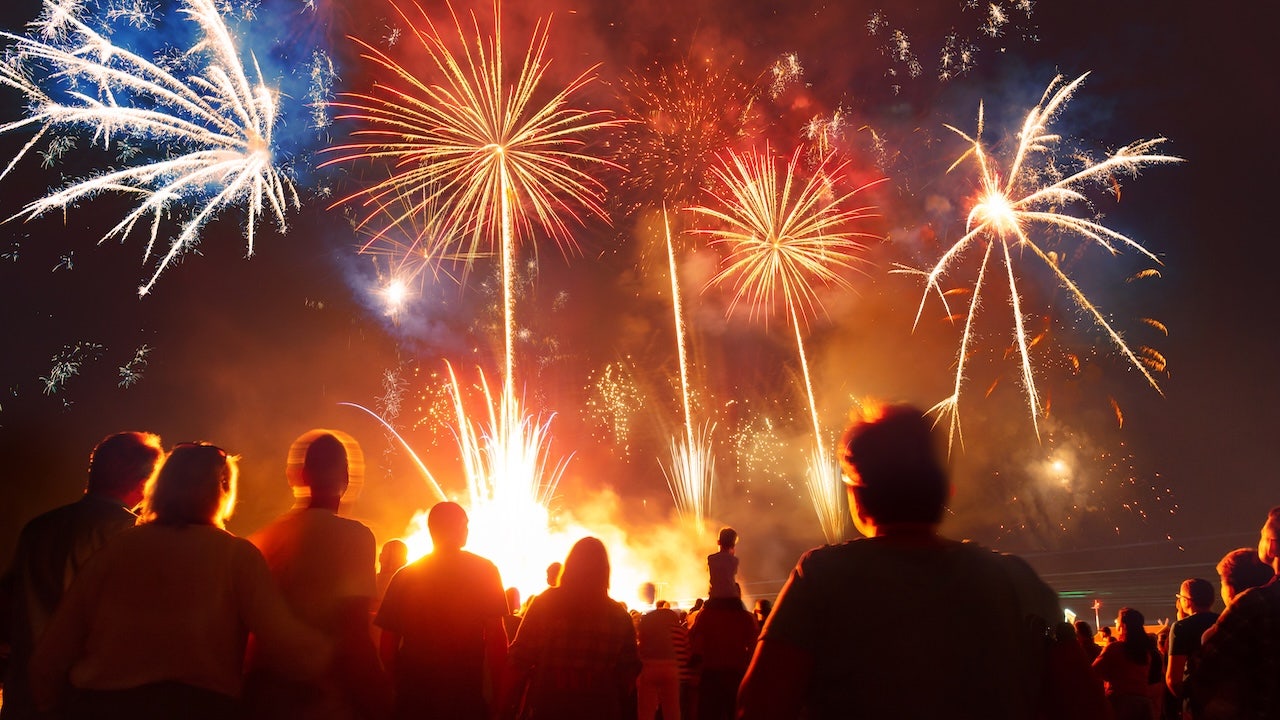
Fireworks are a staple of Independence Day, but the bright bursts come with a hidden cost: smoke and tiny particles that can seriously affect lung and heart health. This article breaks down the pollutants fireworks release, who is most at risk, and practical steps to enjoy the show while lowering health dangers. You will read what the smoke contains, how it hurts vulnerable people, expert tips for safer viewing and what to do in an emergency. Keep an eye on the sky and your health—knowing the risks makes celebrations safer for everyone.
Fireworks have long been central to Fourth of July celebrations, lighting up backyards and public parks alike. That festive atmosphere hides a thick brew of smoke and fine particles that can drift for miles and linger in the air long after the last boom. Casual exposure might be nothing for healthy people, but repeated or heavy exposure can become a real problem.
Nearly 300 million pounds of fireworks debris and residue are released into the atmosphere in the United States each year, creating smoke filled with very fine particles and gases. Those tiny particles are the ones that get deep into the lungs and sometimes the bloodstream, carrying with them soot and chemical byproducts. The mix can include sulfur dioxide, carbon dioxide, carbon monoxide and other irritants that are tough on respiratory systems.
Firework smoke can also carry metal particles left over from manufacturing, including aluminum, manganese and cadmium, and some illegal or poorly made devices may leach lead. Those metals don’t just disappear; they can settle on surfaces, be inhaled, or be tracked into homes on clothing. Over time, exposure to certain heavy metals is linked to more serious long-term health issues.
“Inhaling any of these chemicals can irritate the lungs, making it hard to breathe and causing serious health problems, which is why it is important to avoid firework smoke whenever possible,” the group said in a public advisory. That blunt warning reflects the way even short-term exposure can trigger coughing, wheezing or chest tightness in sensitive people. It’s a clear reminder not to treat all smoke as harmless atmosphere.
People with asthma and chronic obstructive pulmonary disease are especially likely to feel the effects, with smoke able to spark flare-ups or worsen baseline symptoms. Fine particle pollution is also tied to higher risks of heart attacks, strokes and even some cancers, so the stakes go beyond a few uncomfortable hours. Children, older adults and pregnant people are considered more vulnerable and should be extra cautious around heavy smoke.
Dr. Afif El-Hasan, a member of the Lung Association’s board of directors, suggests avoiding on-site use of fireworks and choosing to watch large, professionally run displays from a distance. For those at risk, keeping a rescue inhaler nearby and wearing a well-fitting N95 mask can reduce exposure to small particles that penetrate ordinary cloth masks. Positioning yourself upwind of the display whenever possible helps, since wind patterns determine where smoke will collect.
Other practical tips are simple but effective: attend events with friends or family so someone can assist in an emergency, take all preventive medications before you go, and try to park close enough to the venue to get to your car quickly if symptoms start. After the show, drink water to clear the upper airway and change clothes to avoid bringing smoke particles inside. If shortness of breath, chest pain, or severe wheezing occurs, seek medical care right away.
Fireworks make traditions memorable, but the post-show haze is not just festive fog. Understanding what’s in that smoke and taking a few straightforward precautions keeps celebrations fun without sacrificing health. With a little planning, you can enjoy the lights and limit the risks to yourself and the people you care about.
