
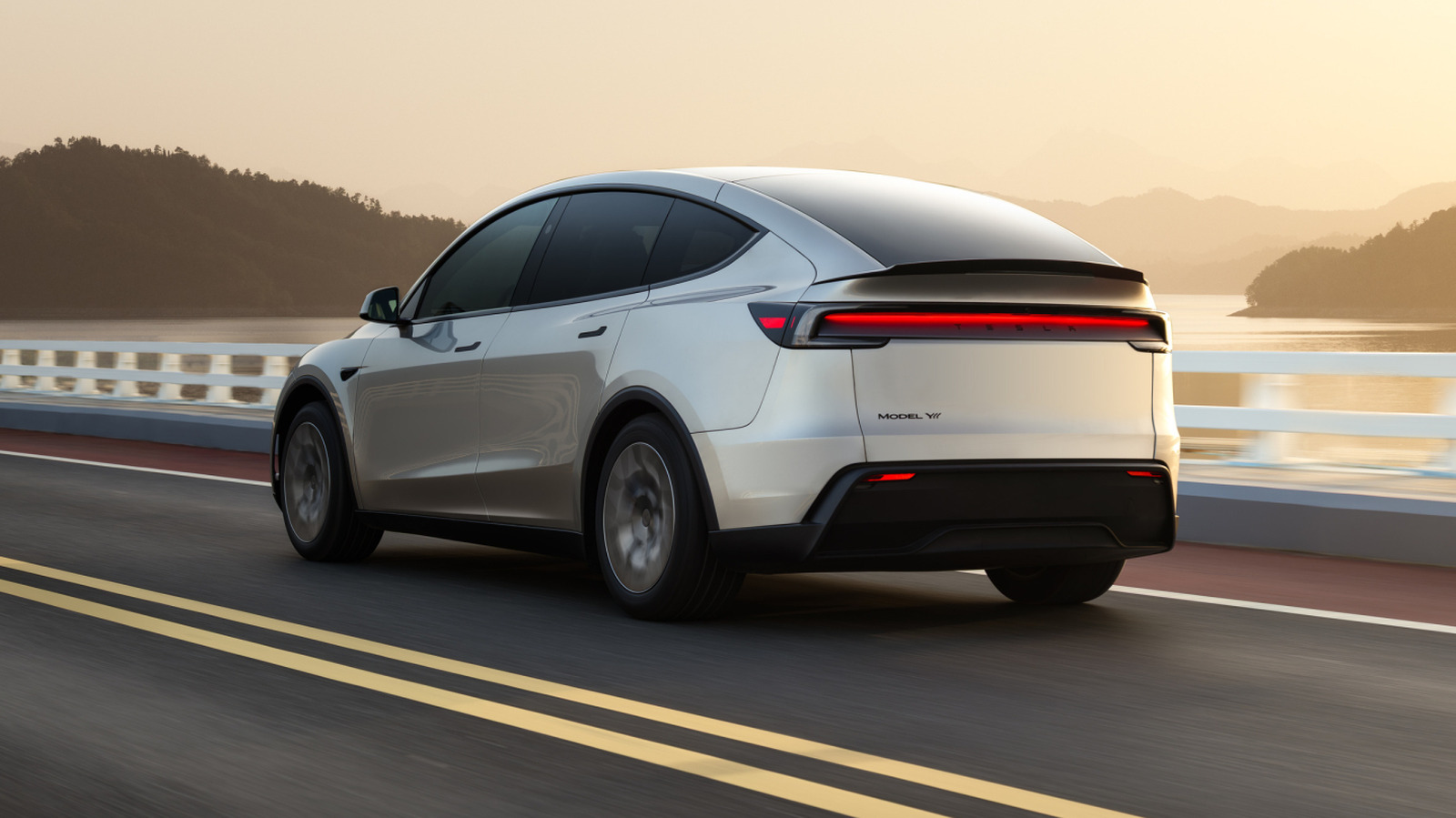
Cars are shedding old-school door handles in favor of flush, hidden, or touchless systems, and this piece walks through why manufacturers made that shift. We look at styling and brand identity, the push for better aerodynamics and efficiency, the tech and security trade offs, and what it means for service, safety, and everyday use.
Automakers have been bold with exterior styling in recent years, and handles are an easy place to make a visual statement. Flush and recessed grips help lines read cleaner and give vehicles a futuristic stance that buyers notice immediately. Designers treat handles like punctuation, and removing that traditional bulge sharpens the overall silhouette.
Beyond looks, aerodynamics plays a major role in the move away from traditional handles. Exposed hardware disturbs airflow, and at highway speeds even small drag reductions translate into measurable fuel or range gains for electric vehicles. For makers chasing every fraction of efficiency, cutting a little drag from dozens of cars adds up to real numbers on emissions and battery performance.
Technology is another obvious driver. Proximity sensors, keyless entry, and smartphone integration let drivers unlock doors without a physical lever. Some systems present a discreet button or pop-out handle only when needed, keeping the exterior tidy while offering convenience. That promise of seamless, almost magical access is an attractive selling point for premium buyers and tech-minded shoppers.
There are safety and regulatory angles that push the change as well. Engineers need to ensure emergency responders can still open cars after a crash, and regulators insist on standards for rescue access and child locks. Modern mechanisms are tested to meet those rules, but the extra engineering adds complexity and development cost. In short, the trade off moves engineering effort from brute hardware to integrated systems work.
Security and reliability get both a boost and a worry with these new systems. Electronic locks and encrypted key fobs can be harder to bypass than old-fashioned levers, reducing some theft vectors. Yet they introduce failure modes that never existed before, like battery drain, software bugs, or sensor misreads that leave owners locked out. That makes robust testing and simple fallback procedures vital, especially for mainstream models where service networks may be thinner.
Cost and maintenance are practical forces shaping adoption. Hidden or motorized handles require motors, sensors, and control units that can be pricier to replace than a standard latch. Repair shops and dealers must stock different parts and learn new diagnostics, and insurance claims can become more expensive for this hardware. This is why luxury brands often lead the trend and midmarket cars adopt it more slowly as costs come down and reliability is proven.
Expectation and user behavior will decide how widespread the trend becomes. Many buyers love the clean look and the tech cachet, and electric cars push the shift because every gain in range matters. Still, there will always be room for simple, rugged designs where reliability trumps style, such as fleet vehicles, work trucks, and budget models. The future will likely be a mix: flush handles and touchless entry on many new models, with traditional handles surviving where practicality demands them.
