
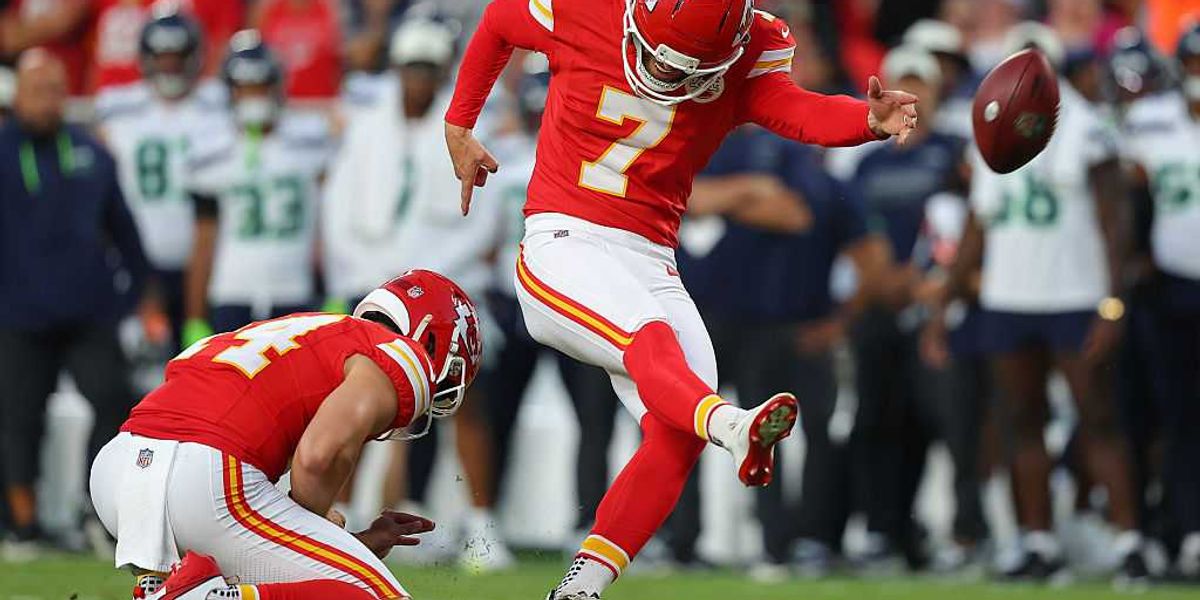
There is a growing split in sports between players who treat faith like a private footnote and those who wear it front and center. That tension is flashing in leagues, locker rooms, and public debates around Pride Night, prayer, and what athletes are expected to say when the cameras are rolling.
Names like Harrison Butker, Jonathan Isaac, Jaden Ivey, Sophie Cunningham, and others keep surfacing because the conversation is no longer just about wins and losses. It is about whether a Christian athlete can stand in the middle of modern sports culture without being pushed to the edges for refusing to play along with every trend.
For plenty of fans, that question lands in a place much bigger than basketball, football, or baseball. It reaches into the Book of Genesis, covenant language, and the old idea that faith is not something to hide when the room gets loud.
There has always been pressure in sports to blend in, but the current moment feels sharper. A player who speaks plainly about Christ can be praised as “authentic” one minute and mocked as backward the next, depending on which corner of the internet is reacting.
That is why the rise of openly Christian athletes keeps drawing attention. They are not just talking about personal belief, but about a worldview that shapes how they see discipline, identity, and the very idea of truth.
When someone like Butker says what he believes, or Isaac takes a firm stand, the reaction often says as much about the culture as the athlete. Some hear courage. Others hear defiance. Either way, the message cuts through the usual sports noise.
The same is true when Pride Night becomes a flashpoint. What was once sold as a simple celebration has turned into a test of public loyalty, and athletes who decline to participate can find themselves treated like they have broken an unspoken rule.
That tension does not stay confined to one league. The NBA, NFL, MLB, and even the WNBA have all felt the pressure of identity politics colliding with sports, where players are expected to embrace certain causes or risk being labeled difficult, outdated, or worse.
Rob Manfred and other league leaders have tried to manage these battles by framing them as inclusion issues, but the deeper fight is over who gets to define moral normalcy. For believers, the concern is not just about one night on a calendar. It is about whether conviction still has room in a system that rewards compliance.
Steve Eubanks has pointed out that this is not some new conflict cooked up by social media. It is the same old struggle between conscience and pressure, just dressed in modern branding and broadcast in high definition.
The clash also exposes a strange double standard. Sports loves toughness, grit, and standing up for yourself, until a player stands up for Scripture or traditional Christian teaching. Then the praise can vanish fast.
That is why figures like Jaden Ivey and Sophie Cunningham matter in the wider conversation, even when the details differ from one athlete to another. Each case reinforces the idea that faith-based convictions are no longer quietly tolerated, they are being measured, questioned, and sometimes punished in real time.
Even beyond the big names, the atmosphere around college and pro sports keeps shifting. Benedictine College and similar faith-driven institutions remind people that some athletes still come from places where prayer is not treated like a brand strategy but as part of daily life.
The pushback from secular culture can be intense, but it often reveals an insecurity of its own. If confidence in a cause is strong, it should be able to survive disagreement without demanding silence from everyone else.
That is where the conversation around covenant comes back into focus. For Christians, the issue is not just identity or politics, but allegiance, and that makes the stakes feel very different from the usual sports controversy.
Fans are noticing too, because they can tell when an athlete is speaking from conviction instead of reading from a script. In a world full of polished slogans, a clear and unpolished testimony can hit harder than any viral clip.
So the pressure keeps building, and the divide keeps showing up in bigger ways. Whether it is baseball, football, basketball, or the next public showdown over Pride Night, the athletes who refuse to back down are forcing sports culture to answer a question it would rather dodge.
