
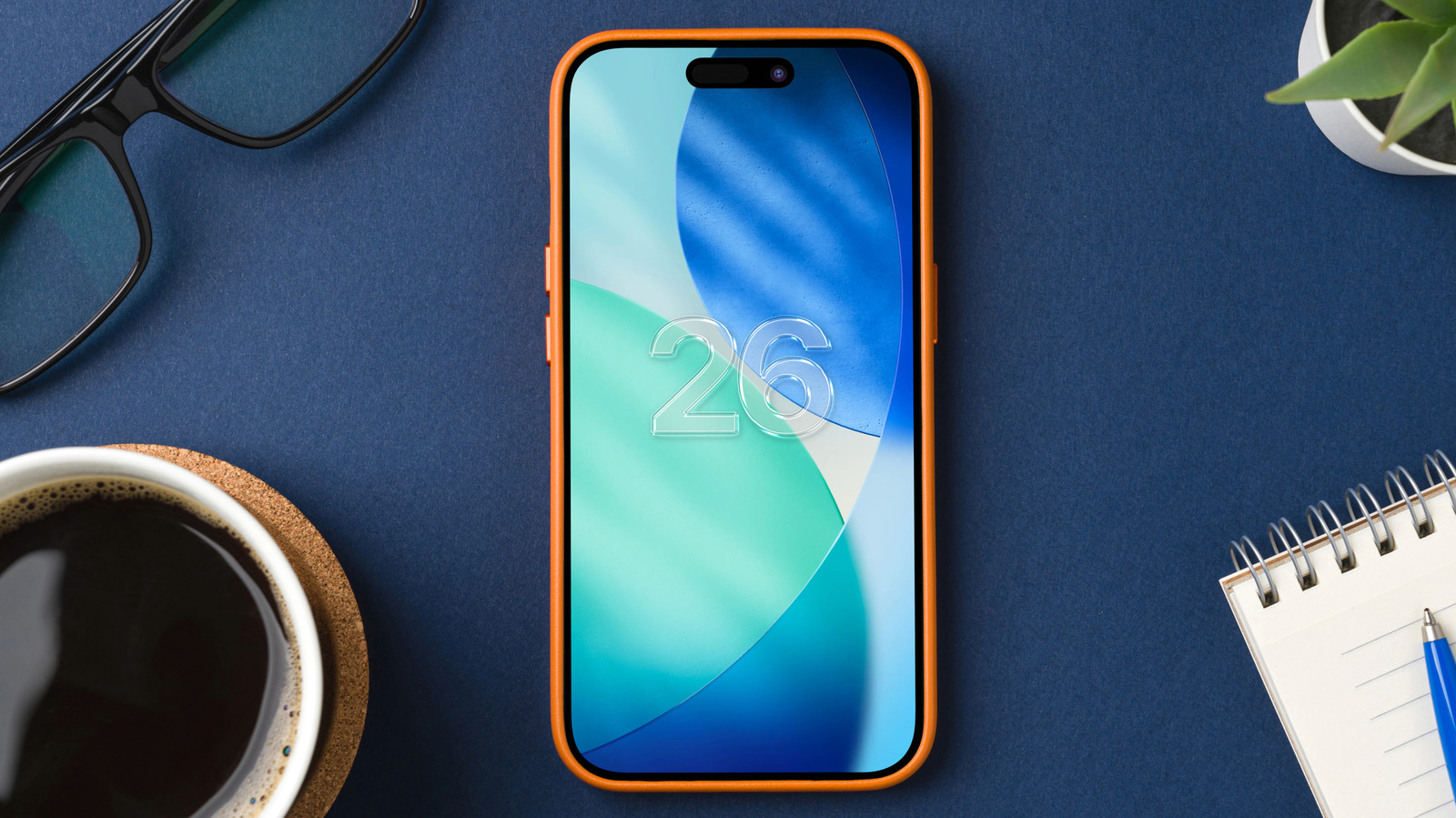
Apple has pushed a fresh iOS update and it’s worth paying attention to — whether you’re on a recent iPhone or nursing an older model. Expect security patches, small feature tweaks, compatibility notes, and a few things Apple deliberately left out. This piece breaks down who gets what, what the update actually changes, and what to skip if you like stability over the latest bells. No fluff, just the essentials you need to decide when to hit update.
The update focuses primarily on security improvements and stability fixes, the kind that run behind the scenes and quietly keep your phone safe. You’ll see fewer crash reports and patched vulnerabilities that mattered to developers and enterprise users. Performance gains are modest and targeted, not a dramatic overhaul of how your iPhone feels day to day. If you were expecting flashy new UI changes, this release is more about keeping the foundation solid.
Most iPhones released in the last few years will be eligible for the update, including current flagship models and several previous generations. Apple continues to support devices that meet its hardware and firmware compatibility layer, but there’s a hard cutoff for older phones. If your device is more than five or six years old, check Settings to confirm eligibility before you plan to download. Newer handsets will get the full set of patches while older ones may receive only the critical security fixes.
Among the practical changes, expect improvements to core apps and background services that affect battery and connectivity. Mail, Messages, and some system-level services get reliability work that reduces hangs and background refresh failures. Those who use their phones heavily for work will notice fewer interruptions when switching between apps or during heavy multitasking sessions. Casual users may only notice smoother operation in edge cases that used to cause freezes.
There are deliberate exclusions in this update that are worth calling out: no major privacy overhaul, no radical design shifts, and no new hardware-exclusive tricks. Apple reserved bigger changes for later releases tied to new hardware or larger ecosystem updates. That means features teased at past events may still be pending and will arrive in future releases. If you were holding out for a major addition, this is not the one to wait for.
Installation is straightforward but smart timing matters. Back up your device before updating, or at least ensure iCloud backups are recent, because rollbacks can be messy. Plug into power or keep the battery above 50 percent to avoid the update stalling mid-install. If you manage multiple devices, update the primary one first to verify there aren’t any widespread reports of issues before you push it to family or work phones.
Early reports from users suggest the update is stable on flagship models, with only a few isolated reports of minor app incompatibilities. Most third-party apps will update quickly to accommodate any background API changes, but give developers 24 to 48 hours to push compatible versions. If you rely on niche productivity or privacy tools, check for developer updates or community feedback before installing. That cautious approach reduces the chance that a critical app will misbehave just when you need it most.
Enterprise and managed device administrators should note the update’s policy and configuration changes in the management console. Some mobile device management settings may behave differently after the update, which could affect things like certificate handling and push notifications. IT teams should pilot the release with a small device group to catch configuration drift. Rolling the update out in stages is the safest path for business environments.
If you prefer to wait, there’s nothing urgent forcing the install unless Apple flagged a critical security vulnerability for your current build. Officially, security patches are the most compelling reason to upgrade promptly, but many users opt to watch for community feedback. When the update proves stable over a few days, the benefits are real: quieter background tasks, fewer crashes, and reassurance that your device has the latest protection. If you do update, monitor battery and app behavior for the first 48 hours to confirm everything settled in smoothly.
