
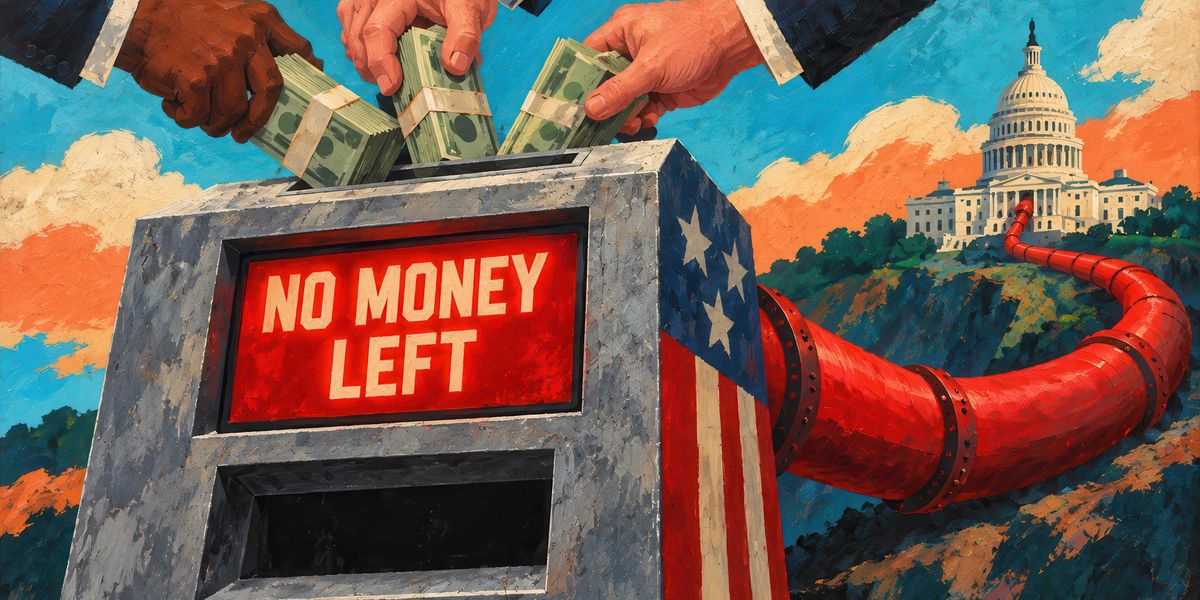
America keeps running into the same wall: voters love the feeling of easy money, but the bill never disappears. That tension sits at the center of the debt problem, the inflation hangover, and the political pressure to keep spending as if tomorrow is someone else’s problem.
Free money sounds harmless until it starts bending the whole economy around it. Once government hands out relief, subsidies, and borrowed cash on a massive scale, people get used to the boost, and politicians get used to the applause.
The result is a country that talks tough about discipline and then recoils the second the cuts get real. That is why debt keeps climbing, why austerity keeps getting pushed to the side, and why every election seems to reward the people promising more, not less.
The basic problem is not hard to see. Deficit spending can paper over pain for a while, but it also distorts prices, weakens incentives, and leaves households stuck with higher costs later on.
Inflation is the most obvious proof. When the government and the central bank flood the system with money, wages may rise on paper, but housing, groceries, and everyday bills usually rise faster, wiping out the gain.
That is where the politics get messy. Voters say they want affordability, but many of the policies sold under that banner end up pushing prices higher, especially when Washington keeps expanding federal spending instead of forcing a reset.
There is a reason austerity is such a toxic word in modern politics. It asks people to accept less in the short term so the country can stop digging a deeper hole, and that is a brutal sell when the other side is offering immediate relief and a friendly talking point.
Still, the math does not care about messaging. A government that keeps borrowing to cover routine spending is not building strength, it is mortgaging the future and daring someone else to deal with the cleanup.
That pressure falls hardest on workers and younger voters who already feel squeezed. Wages may move, but housing costs, debt service, and basic living expenses often eat up any progress before it can be felt in a real way.
It also changes the political map. Groups that once leaned on stability and discipline can drift when the economy feels rigged, while voters who are less tied to the old assumptions become more open to blunt talk about cuts and limits.
Republicans have a real opening here, but only if the message stays clear. The answer is not bigger promises dressed up as compassion, but a serious push for spending cuts, lower inflation, and a government that stops pretending debt has no consequence.
Progressives will keep arguing that the cure for pain is more federal money and more intervention. That approach can win headlines and maybe even a cycle or two, but it does not change the hard truth that endless borrowing eventually squeezes everyone.
The public mood is already shifting as people notice that affordability problems do not vanish just because politicians say the word enough times. When families feel poorer despite all the promises, they start asking whether the system is built to serve them or to keep the spending machine alive.
That question is getting louder, and it is not going away soon. As debt rises, inflation lingers, and voters keep feeling the squeeze, the gap between campaign rhetoric and economic reality gets harder for anyone in Washington to ignore.
