
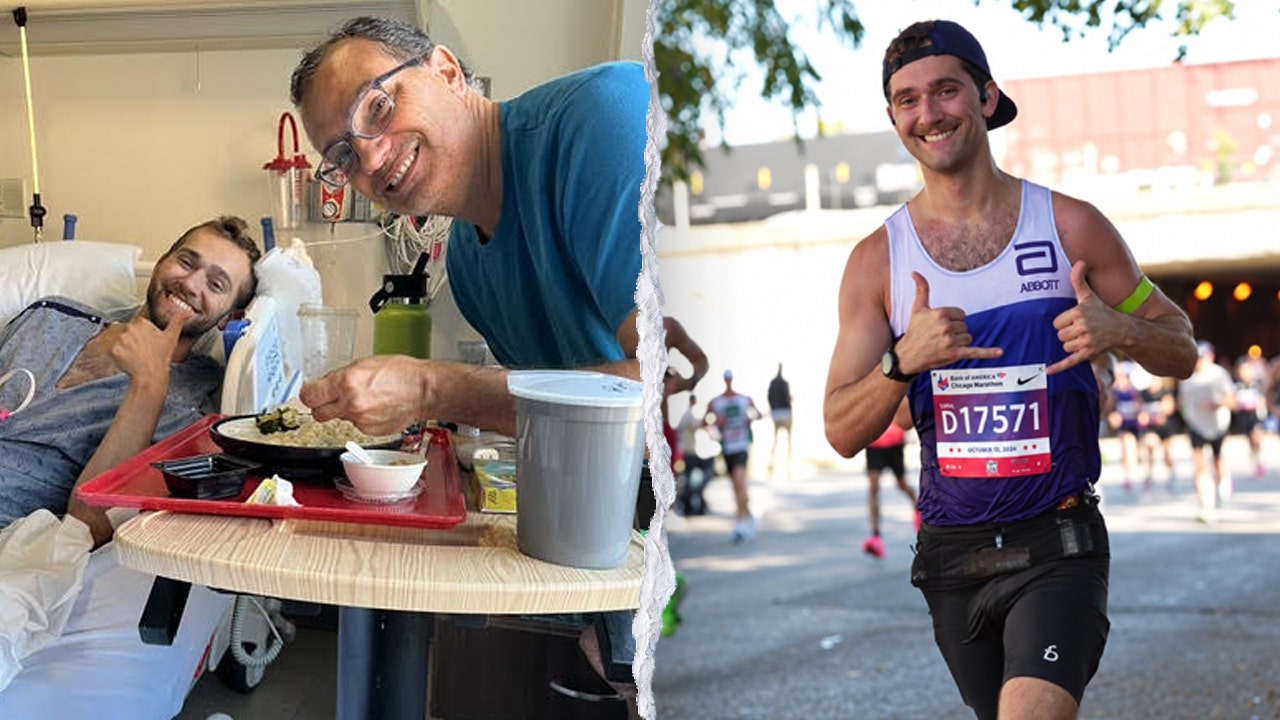
Patrick Mascoli looked like the picture of health, running hard, lifting weights, and training like someone with nothing to worry about. Then, at 27, his body slammed into crisis with a sudden stroke that left him confused, terrified, and unable to trust his own legs or vision.
He had been logging about 40 miles a week and living an active life in Boston when the attack hit in the middle of an ordinary day. What makes his story hit so hard is the lack of warning, the kind of surprise that makes a serious medical event feel even more unreal.
It started in a gym locker room after a 10-mile run and a lifting session. He described the sensation as if a bomb had gone off in his head, with intense pain on the right side and a dizzy, spinning sense that made it hard to stand or see clearly.
At first, he thought it might be tied to fainting spells and blood pressure issues he had dealt with earlier in life. But the symptoms kept getting worse, and when he tried to move, his body simply refused to cooperate.
He bumped into a wall, texted his sister, and soon found himself on the floor vomiting while waiting for help. Even then, stroke did not feel like the obvious answer to him because he was young, fit, and the kind of person nobody expects to wind up in that kind of emergency.
That assumption is exactly what makes younger stroke cases so dangerous. People often chalk up the warning signs to exhaustion, dehydration, migraine, or a bad workout, while the clock keeps ticking in the background.
Once his sister arrived and called 911, the situation moved fast, but not smoothly. First responders initially leaned toward dehydration, then vertigo, and it took a CT scan and MRI at Boston Medical Center to confirm what was really happening.
The diagnosis was a stroke, and the aftermath was rough. His right side felt weak enough to be nearly useless, and he spent days in the hospital learning to walk again with a walker while the reality of what had happened slowly sank in.
Doctors kept digging for a cause because the usual suspects did not fit neatly. Blood testing did not reveal a clear clotting disorder, but a bubble study of the heart uncovered a patent foramen ovale, or PFO, which is a small opening between the upper chambers that can persist after birth.
In many people, a PFO never causes trouble at all. In rare cases, though, it can provide a pathway for a clot to slip through the heart and travel to the brain, where it can trigger a stroke.
That possibility seemed to line up with Mascoli’s case. A month later, he had a catheter procedure to close the opening with a mesh-like device, and that step gave him some peace of mind even though the original source of the clot stayed a mystery.
Recovery has not been neat or quick. Therapy helped his mobility improve, but fine motor skills still lagged behind, and writing, hand control, and other small tasks continued to test his patience.
The mental side has been just as real as the physical one. Going back to running, something that once felt effortless, started to bring anxiety because he worried about being too far from help if something happened again.
Still, he kept moving forward, helped along by a fitness watch from his girlfriend and a return to competition that gave him structure. In October 2026, he finished the Chicago Marathon, a finish line that carried a lot more weight than most people could see from the outside.
His experience also lines up with a bigger warning about stroke in younger adults. High blood pressure, smoking, unhealthy cholesterol, clotting disorders, certain heart conditions, and artery tears can all raise the risk, and symptoms like dizziness, vomiting, vision problems, weakness, speech trouble, or sudden balance loss should never be shrugged off.
That matters because healthy appearance can be misleading. A strong runner can still have a stroke, and when the body starts sending strange signals out of nowhere, the safest move is to take them seriously and get help fast.
