
- Accidental seabird bycatch in fishing nets
- How looming-eye buoys are meant to deter birds
- Research results showing reduced catches in some species
- Limits of the device, including seals and seasonal differences
- Habituation and the risk of birds learning to ignore the buoys
- Other bird-safe ideas being tested in marine and energy systems
Fishing has always come with a messy side effect: sometimes the net grabs far more than the crew bargained for. For seabirds, that can mean a deadly encounter with gear that was never meant to catch them in the first place, and the scale of the problem has pushed researchers to look for fixes that do not slow down the work or wreck the economics of the industry.
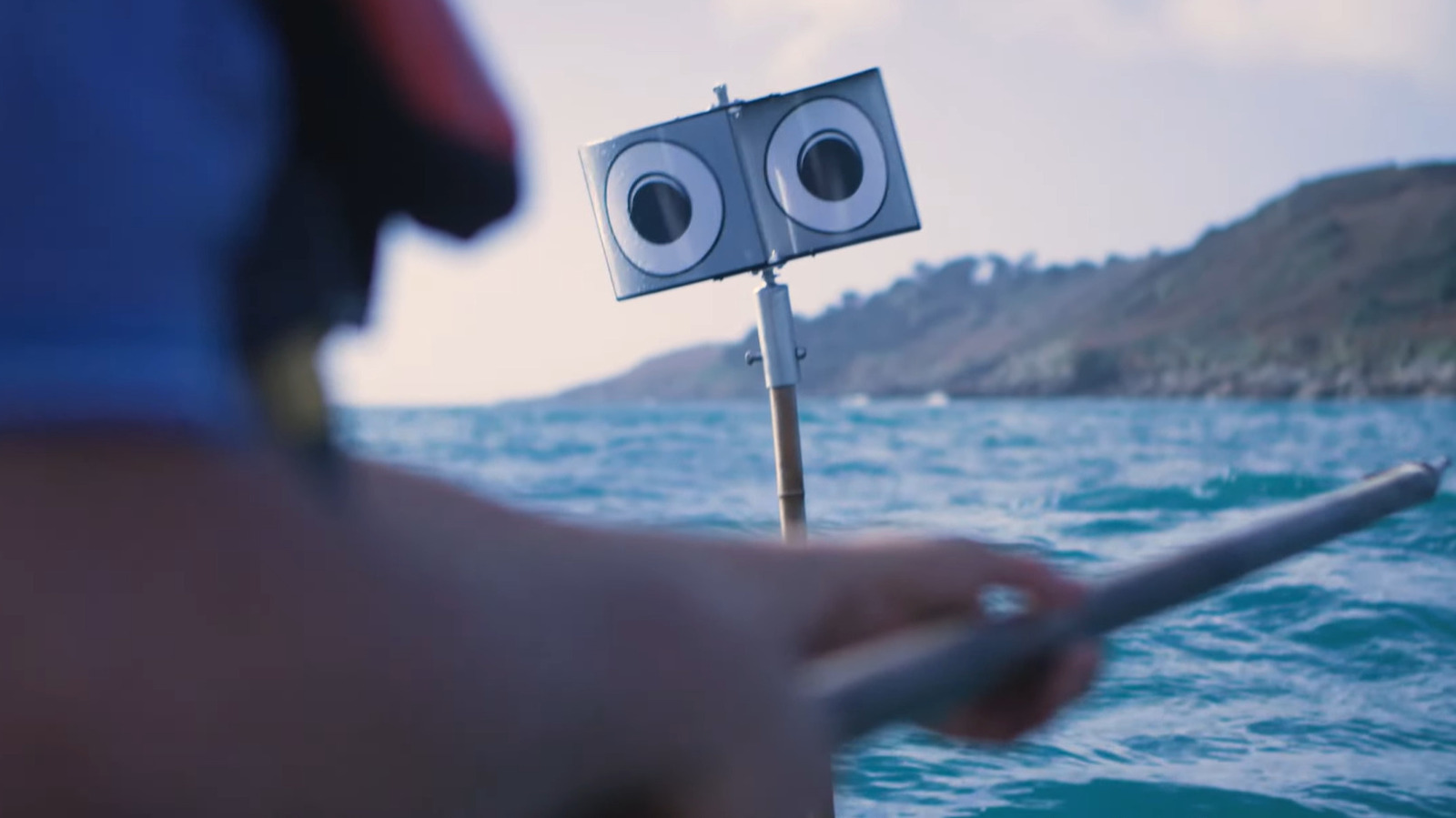
One of the stranger-looking answers is the looming-eye buoy, or LEB. These devices sit above the water and use rotating heads that look a lot like oversized predator eyes, banking on a simple idea: if a bird thinks danger is nearby, it will steer clear of the net.
That idea is not just a gimmick. A recent study in the United Kingdom found that nets fitted with LEBs caught fewer common guillemots and razorbills than nets without them, and the drop was significant enough to get attention. The devices also have a practical edge, since they are cheaper to add than some alternatives and can be fitted onto existing fishing setups without a total overhaul.
The appeal is obvious when the options are compared. Some deterrents rely on lights or acoustic signals, but those can be expensive, awkward, or less effective in rough conditions, while the looming-eye buoys aim to work through instinct instead of constant noise or hardware-heavy upgrades.
Still, the results are not magic, and the data leaves some hard questions hanging in the air. The same research that showed fewer seabirds also found a rise in seal catches in equipped nets, which suggests the visual deterrent may be changing animal behavior in ways that are not fully understood yet.
Seasonal patterns matter too. Winter brought more seabird entanglements than other times of year, which led researchers to suggest that the buoys may be most useful when deployed during the peak risk window rather than left out all year like a permanent fixture.
There is also the problem of birds getting wise to the trick. If a species learns that the giant eyes are harmless, the effect can fade fast, and that process, known as habituation, could chip away at the whole strategy over time.
Evidence from Denmark backs up that concern. In tests around fixed pound nets, the buoys reduced the number of great cormorants and gulls at first, but after about a month the bird counts climbed back toward their earlier levels, showing that a short-lived scare is not the same thing as a lasting solution.
That does not make the devices useless. It means they may work best as part of a smarter, narrower playbook, especially in places and seasons where seabird bycatch is most intense and where a simple visual cue can buy enough time to make a difference.
The bigger story here is that wildlife protection is moving into a phase where small, odd-looking tools can matter just as much as dramatic breakthroughs. Other projects are trying to make wind turbines less deadly for birds with new paint treatments, while floating solar farms are being studied for their possible role in easing migration risks.
For now, the cartoonish buoys keep earning their place in the conversation because they are cheap enough to test, simple enough to deploy, and effective enough to make fishing crews and conservationists pay attention. In a sea full of tradeoffs, that is no small thing.
