
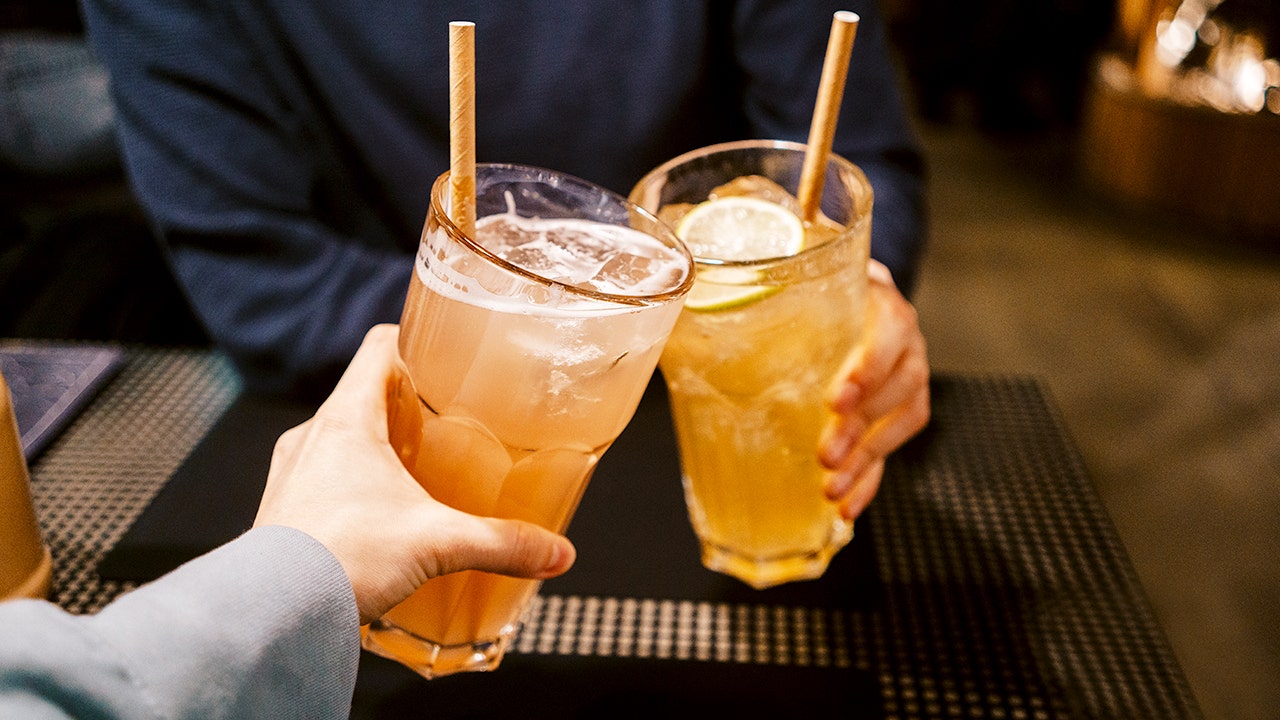
Paper straws were sold as the cleaner, greener swap, but a new South Korean assessment is shaking that story up fast. The report suggests the environmental and health burden of paper straws may be heavier than many shoppers ever expected, even though the study stops short of measuring what happens when someone actually drinks through one.
- Paper straws and their environmental promise
- Comparison with plastic and other straw types
- Pollution-related health burden in the assessment
- Limits of the study and what it did not measure
- Policy reactions and the push to rethink straw use
South Korea’s Ministry of Climate, Energy and Environment asked the Korean Society for Life Cycle Assessment to take a hard look at disposable straws, and the results brought an inconvenient twist. The researchers compared paper, conventional plastic, biodegradable plastic and bio-based polyethylene, or bio-PE, across production, use and disposal.
The analysis looked at 16 environmental impacts and used South Korean waste data that assumed most discarded straws were burned, with the rest sent to landfills. In that setup, paper straws landed in an awkward spot, with reports saying they scored 6.33 times higher than conventional plastic straws in one estimate tied to cancer-related harm from pollution generated across their life cycle.
That number sounds dramatic, and it is, but it has to be read carefully. The score reflected pollution from making and throwing away the straws, not whether a person would absorb harmful chemicals while sipping from one.
That distinction matters, because the study did not test what leaches into drinks and did not track health outcomes in actual users. It was an environmental assessment, not a clinical warning label, so the findings point to manufacturing and disposal impacts rather than direct bedside risk.
Even with that limit, the pattern was not flattering for paper. Conventional plastic straws came out best in 10 of the 16 environmental categories, while no straw type dominated every category across the board.
That kind of mixed result is exactly why these debates keep spinning in circles. The public often hears “paper bad” or “plastic bad,” but the real picture is messier, and the tradeoffs shift depending on which problem is being measured.
Researchers also recommended that stores hand out disposable straws only when customers ask for them. It is a small step, but it fits the larger idea that fewer straws used means less waste to sort, burn or bury later.
Political reaction has been quick, especially from lawmakers and officials already skeptical of plastic straw bans. One South Korean lawmaker reportedly blasted restrictions on plastic straws, arguing that the replacements have not delivered the environmental payoff people were promised.
The issue has also become a talking point in the United States, where Donald Trump has attacked paper straws as flimsy and frustrating. He signed an executive order in February 2025 directing federal agencies to stop buying and providing them and to work toward a national strategy to end their use.
His blunt complaint that “I was tired of having straws melt in my mouth” captured the mood of plenty of diners who have had the same annoying experience. It also helped turn an everyday item into a broader argument about common sense, consumer choice and whether feel-good environmental swaps always work on contact with reality.
Past testing has added more fuel to the fire. A 2023 University of Antwerp study detected PFAS, often called “forever chemicals,” in 27 of 39 straw brands tested, with paper straws showing up most often among the ones flagged.
That does not prove every paper straw is loaded with dangerous chemicals, and it does not erase the environmental concerns tied to plastic. Still, it explains why the humble straw keeps getting dragged into bigger fights about safety, waste and whether the most popular green fixes are actually fixing anything at all.
