
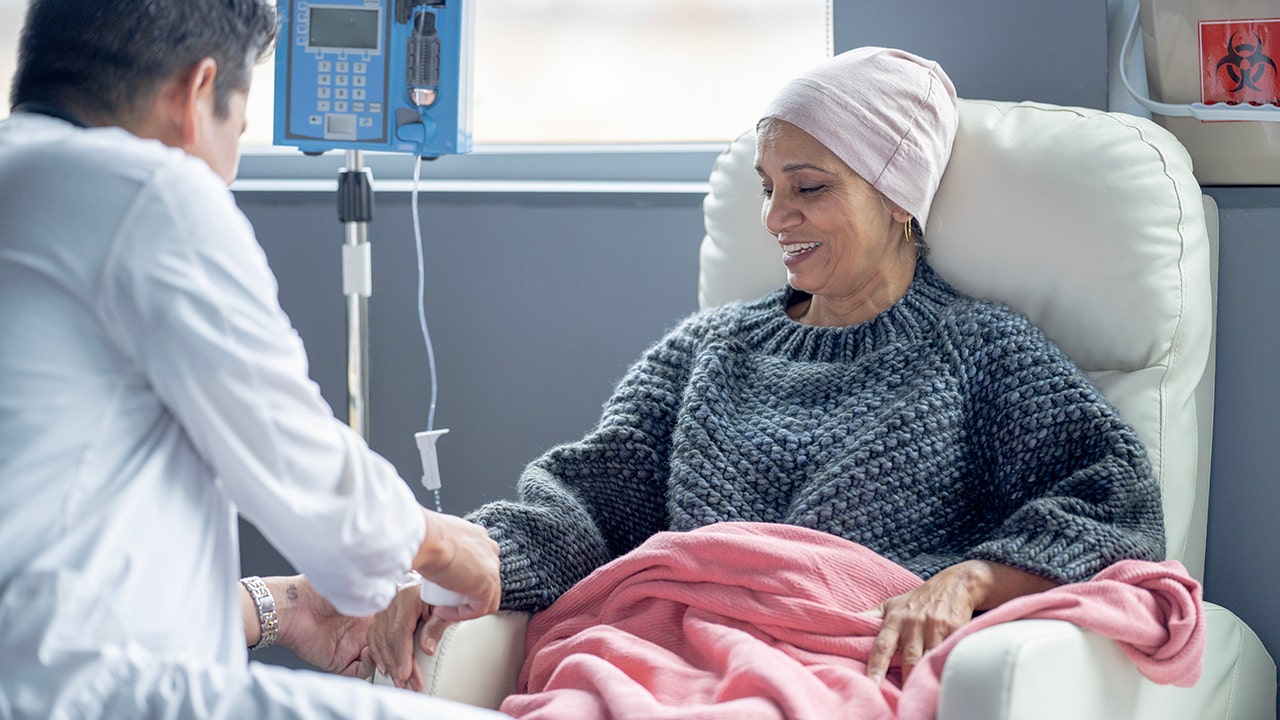
Here’s the gist in plain terms: a new targeted cancer drug is showing real muscle against advanced breast cancer, with stronger results than standard chemotherapy in a major clinical trial. The data point to longer control of tumor growth, more shrinkage, and a possible new option for patients whose cancer has been hard to treat. At the same time, the side effects are nothing to shrug off, so the excitement comes with a clear dose of caution.
Researchers are looking closely at trastuzumab rezetecan for patients with ERBB2-low metastatic breast cancer, a group whose tumors carry low levels of HER2. That matters because HER2 can fuel cancer growth, and even lower levels can still give the disease a foothold. The treatment is designed to target cancer cells more directly than standard chemo, which is why scientists were eager to see how it would perform in a head-to-head trial.
The phase 3 HORIZON-Breast06 study followed 551 women across 73 hospitals in China from June 2023 through August 2025. Patients were randomly assigned to receive either the drug every three weeks or chemotherapy chosen by their doctor. That kind of setup helps show whether a new treatment truly earns its keep, rather than just looking good on paper.
The biggest headline is the time patients went without their tumors growing again. On trastuzumab rezetecan, the median was 16.4 months, compared with 6.8 months for chemotherapy. That gap is a big deal in advanced cancer, where every extra stretch of stability can mean more time to breathe, plan, and keep life moving.
The drug also produced more tumor shrinkage. Tumors shrank in 75.5% of patients who received trastuzumab rezetecan, while 41.2% of those on chemotherapy saw that kind of response. By the 12-month mark, 90.6% of patients on the new drug were alive, compared with 81.4% in the chemo group, which adds more weight to the early promise.
Another notable point is that the benefit showed up across both hormone receptor-positive and hormone receptor-negative breast cancer. That kind of cross-group result can make doctors sit up and pay attention, because it suggests the drug may have broad value instead of helping only a narrow slice of patients. The findings were published in JAMA, giving the research an added layer of credibility.
Still, this is not a free lunch. Serious side effects were reported in more than 84% of patients taking the new drug, compared with nearly 68% of those on chemotherapy, and the researchers said toxicity sometimes required dose adjustments. Blood-related problems were especially important, including anemia and other drops in blood counts that can bring fatigue and raise infection risk.
Some experts see the results as a genuine step forward, especially because the treatment kept cancer in check for longer than standard chemo. That kind of delay can matter a lot for women living with advanced disease, not just in medical terms but in day-to-day quality of life. More time without progression can mean more normal days, more energy for family, and fewer months spent reacting to a growing tumor.
At the same time, the side effects need to stay front and center. Longer cancer control only goes so far if patients feel worn down or have to keep adjusting treatment because of toxicity. The real challenge now is figuring out who benefits most, how to manage the risks, and whether the gains in progression-free survival can translate into patients living longer too.
That bigger question is where the story is headed next. The early numbers are eye-catching, but researchers still want more clarity on overall survival and long-term tolerability. For patients and doctors staring down advanced breast cancer, though, the message is hard to miss: better options are starting to take shape, and this one is forcing people to take a serious look.
