
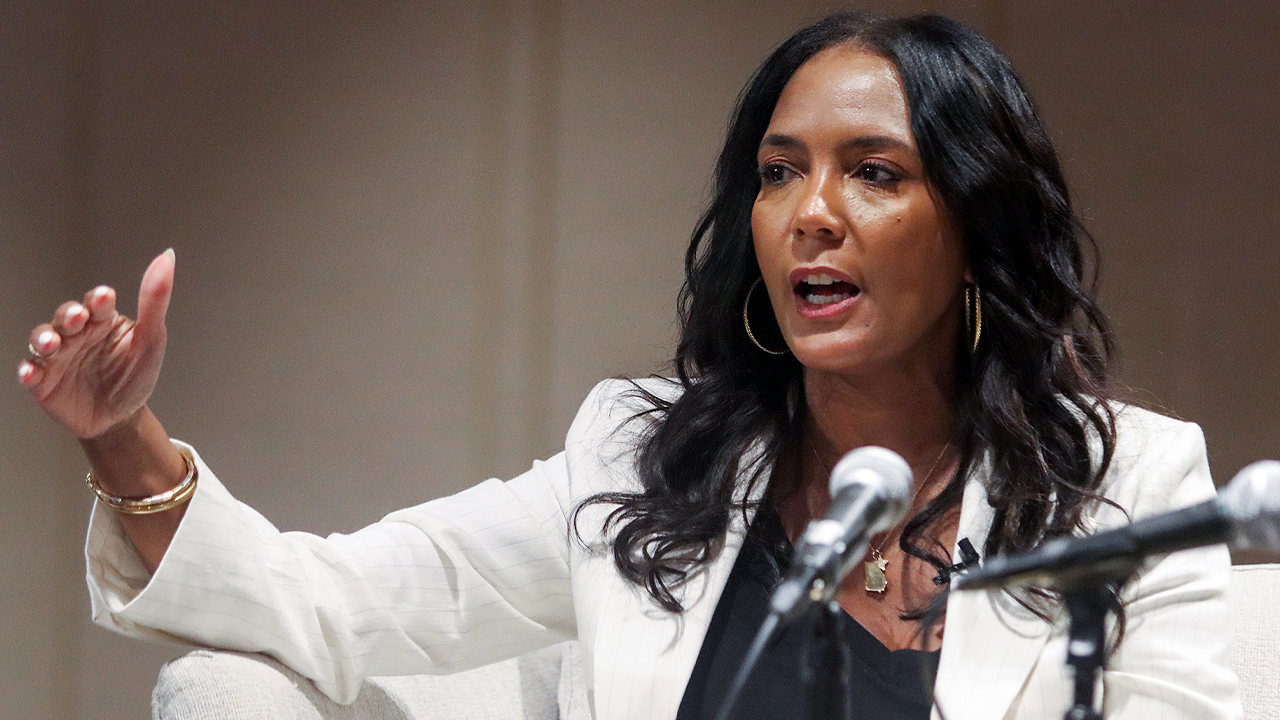
Atlanta’s crime spike left a deep mark, and the debate over Georgia’s future is now tied to whether voters want more of the same or a hard reset. Keisha Lance Bottoms is being judged by a record that saw violence surge, officers walk away, and neighborhoods lose confidence in city leadership. On the other side is Rick Jackson, a Republican nominee with a personal story built from public housing, foster care, and years of business success, along with a promise to put public safety first.
In 2020, Atlanta was hammered by a jump in homicides and shootings that rattled families across the city. The numbers told a grim story, but the human cost mattered even more, with residents changing routines, businesses worrying about safety, and too many people living with fear instead of peace. Bottoms’ critics say she never got ahead of the crisis, and the city paid the price.
More than 200 officers left the Atlanta Police Department in a single year, a sign that morale had taken a beating. That kind of exodus does not happen in a vacuum. When police feel unsupported and communities feel exposed, the whole city starts to fray.
Bottoms tried to explain the violence by pointing to the pandemic, gun laws, and state leadership. She also drew criticism for blaming Republican Gov. Brian Kemp over reopenings, which only fed the sense that responsibility was being tossed around instead of dealt with head-on. For many Atlantans, the excuses landed flat while the body count kept climbing.
That frustration helped fuel talk in Buckhead about breaking away from Atlanta altogether. When a major section of a city starts wondering if it should bolt, that is a loud warning sign that trust has cracked. It was not just about politics anymore, but about whether local leaders could keep people safe and heard.
Jackson brings a very different kind of story to the race. He grew up in Atlanta’s Techwood Homes, the country’s first public housing project, in a family that depended on welfare and had to fight through instability early on. He never knew his father, spent time in foster care, and moved through five foster homes and 13 schools before finding steadier ground.
That background matters because it shapes how he talks about hardship, work, and opportunity. Jackson did not learn about tough neighborhoods from campaign consultants or talking points. He lived the grind, then turned that experience into drive and built Jackson Healthcare into a major force in the staffing world.
The company’s growth to more than $3 billion in annual revenue shows the scale of what he built. That kind of track record gives his supporters a reason to believe he can manage more than a slogan. It also gives his campaign a plain argument: success does not have to come from privilege, and resilience can turn into results.
Jackson’s public safety approach leans heavily on practical fixes, not soft talk. He has talked about adding more certified crime labs so evidence moves faster, instead of gathering dust while suspects stay out in the public. He has also pushed for a stronger statewide law enforcement effort aimed at stopping child sex trafficking.
Those plans fit a broader law-and-order message that resonates with voters who are tired of watching crime spread and leaders shrug. Tax relief for law enforcement officers and veterans is part of that picture too, a nod to people who keep order and often get asked to do more with less. The pitch is direct: back the people who protect the public and give them the tools to do the job.
The contrast between the two candidates could hardly be sharper. One record is tied to rising violence, a strained police force, and a city that felt like it was losing control. The other is built around a hard climb, a business career, and a promise to make neighborhoods safer without the usual spin.
Georgia voters have seen enough polished messaging to know it does not substitute for results. The question now is whether they want a leader who already presided over a public safety collapse, or one who talks like he understands what happens when order breaks down and families are left to deal with the fallout.
