
Affordable energy is getting squeezed by red tape, and that pressure is hitting drivers, workers, and families right where it hurts. The fight is no longer abstract policy talk tucked away in Washington, because government rules are shaping what Americans pay at the pump and how much it costs to keep daily life moving.
For years, the left treated higher energy prices like a small tradeoff for bigger regulatory ambitions. That attitude ran straight through the Biden administration, where agencies pushed hard on emissions, vehicle rules, and a broader climate agenda that often seemed disconnected from what regular people can afford. The result was predictable: more hassle, more cost, and less common sense.
The Department of Transportation became part of that story, especially under Pete Buttigieg, as transportation policy got wrapped into a larger push for government control. When bureaucracy starts dictating outcomes instead of allowing markets and innovation to do their job, the bill eventually lands in someone else’s mailbox. In this case, that meant Americans paying more for the privilege of being regulated to death.
Energy costs do not rise in a vacuum. They climb when agencies pile on mandates, when compliance becomes the point, and when political leaders think they can engineer the economy from above without consequences. That is exactly why so many voters have grown tired of being told that a heavier regulatory burden is somehow a sign of progress.
Big government has a way of disguising itself as expertise. It speaks in the language of standards, enforcement, and necessity, then leaves consumers to absorb the real-world pain when those standards become expensive obstacles. If the goal is cleaner air and smarter policy, it should not come with a side order of punishing household budgets.
The EPA has played a central role in this as well, expanding rules that reach far beyond what many Americans consider reasonable. Every new layer of compliance sounds manageable in a briefing room, but in practice it can drive up production costs, strain supply chains, and make energy less affordable across the board. The people paying for that experiment are not policy makers, but the ones trying to fill tanks and keep the lights on.
The Trump administration took a different view, and that contrast matters heading into the midterms. Republicans have argued that energy policy should strengthen American production, cut unnecessary mandates, and stop treating affordability like an afterthought. That message resonates because voters understand something Washington often ignores: cheap, reliable energy is not a luxury, it is a foundation.
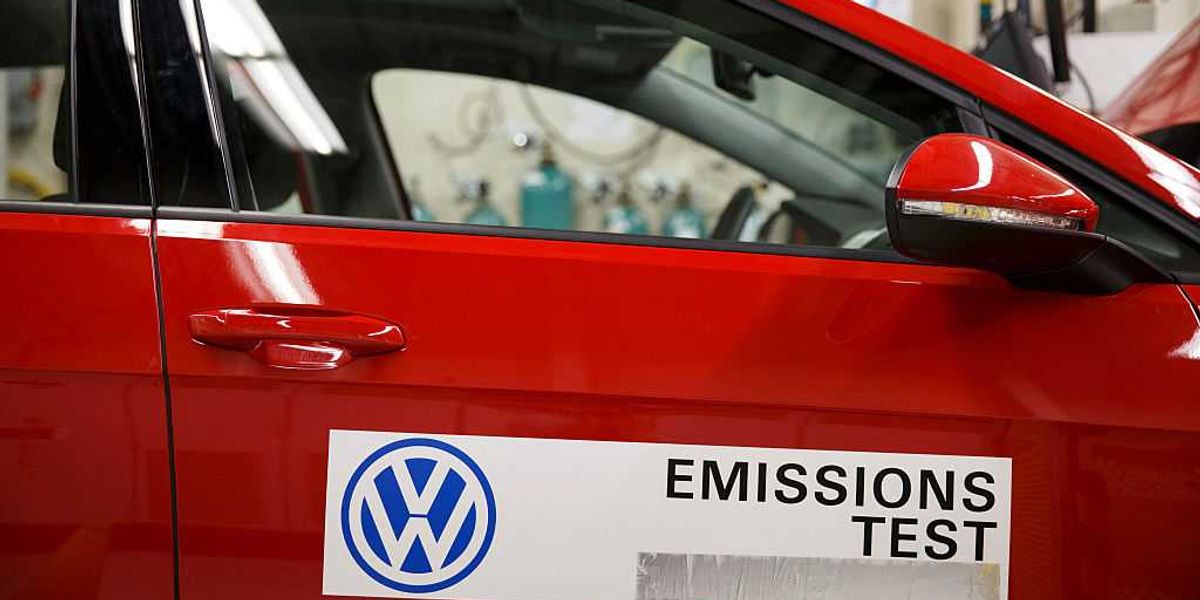
Emissions testing is a good example of how well-meaning rules can drift into expensive hassle. When the process becomes more about compliance theater than meaningful results, it turns into another drain on time and money for drivers who already have enough to deal with. Americans can support cleaner air without pretending every new test or regulation automatically makes life better.
This is why energy policy has become a pocketbook issue instead of a niche debate for policy insiders. Families do not need lectures about the future when they are already wrestling with higher bills today. They want practical leadership that respects reality, rewards production, and remembers that prosperity depends on keeping energy affordable and dependable.
