
• Fraud in pandemic relief programs
• Small businesses and Main Street under pressure
• Republican-led accountability efforts
• SBA actions under Kelly Loeffler
• House investigations and new anti-fraud reforms
Fraud carved a brutal path through America’s small-business relief programs, and the people who played by the rules were the ones left holding the bag. While Main Street owners were burning through savings and trying to keep workers paid, criminals were busy treating emergency aid like a personal piggy bank. That kind of abuse does more than waste taxpayer money, it poisons trust in every program meant to help honest businesses stay alive.
The pandemic forced countless owners into survival mode. They skipped paychecks, cut their own pay to nothing, and fought to keep lights on during a time when everything felt unstable. Then the scams piled up, with billions flowing to bad actors who never should have gotten near the money in the first place.
Under Republican leadership, the tone has changed fast. The Small Business Administration has moved harder against suspicious loans and other improper payments, and Vice President JD Vance’s task force has put a sharper spotlight on waste, fraud, and abuse. That shift matters because fraud only grows when officials shrug and hope it goes away.
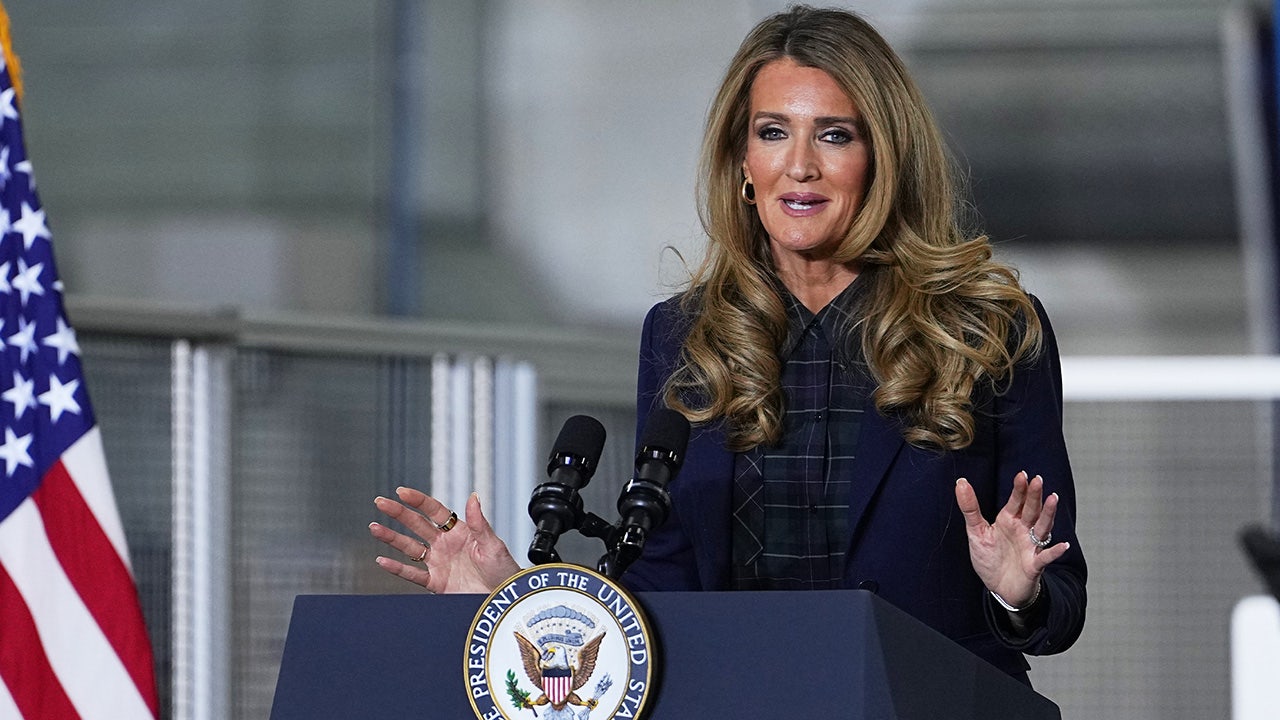
Administrator Kelly Loeffler recently announced the suspension of hundreds of thousands of borrowers tied to an enormous wave of suspected pandemic fraud. That kind of action sends a message that the easy days are over for anyone who thought emergency aid meant free money. It also signals something regular business owners have wanted for years: consequences.
The scale of the problem was never small. Inspectors and lawmakers have flagged staggering totals in potentially fraudulent pandemic loans, and those figures only deepen the sense that oversight failed when it mattered most. Instead of tightening controls early, the previous administration let the mess grow and then acted surprised when the numbers kept climbing.
Congressional Republicans have spent months forcing the issue into the light. Investigators dug through loan programs, asked hard questions, and pushed past excuses when agency leaders tried to dodge accountability. That pressure helped expose how weak the guardrails were and how badly some agencies handled their own responsibilities.
The abuse was not limited to one program, either. The 8(a) contracting system, designed to help disadvantaged businesses compete, has also been vulnerable to pass-through schemes that let winners hand work off to others. When that happens, the whole point of the program gets flipped upside down, and the businesses it was supposed to lift are shoved aside.
Republicans are also pressing for reforms that make fraud harder to hide. That means better reporting to Congress, tougher oversight, and fewer loopholes that let suspicious claims slip through the cracks. The goal is pretty simple: if public money is on the line, there should be real checks, real accountability, and real penalties when people cheat.
Some of the fraud uncovered has been so brazen it almost sounds made up, with loans appearing in the names of children or even the deceased. That is the kind of garbage that happens when systems are weak and nobody wants to ask uncomfortable questions. Closing those gaps is long overdue, and it is one of the clearest signs that the government can still learn from its failures.
There is also a bigger lesson here for anyone who believes the next crisis will somehow police itself. It will not. Strong rules, steady enforcement, and lawmakers willing to keep digging are what separate help for honest entrepreneurs from another feeding frenzy for scam artists. That is why the current crackdown has struck such a nerve with business owners who have spent years watching cheats get away with the loot.
