
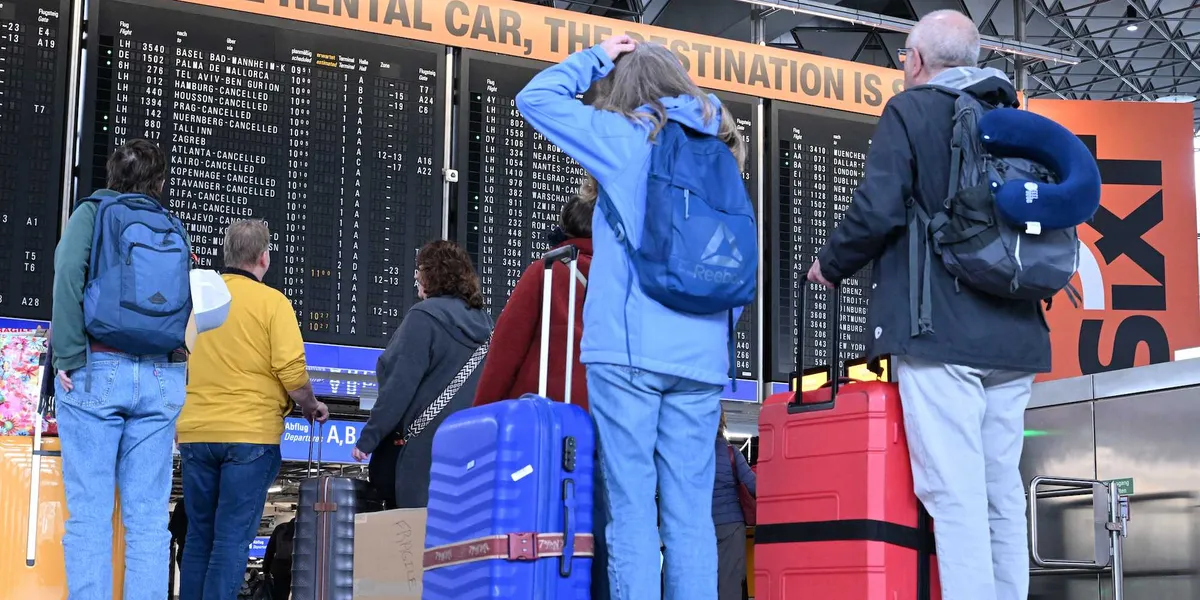
Air travel hit a nerve again as the FAA moved to lift a nationwide ground stop, easing a disruption that had quickly rippled through airports across the country. Travelers, airlines, and crews were all stuck waiting while the system caught up, and the whole mess put a bright spotlight on how fragile the nation’s air network can feel when something goes wrong.
Ground stops are not just a delay with a fancy name. They freeze departures, jam up schedules, and turn every missed connection into a chain reaction that can last for hours. When a nationwide one lands, the problem is bigger than a few unhappy flyers, because it touches logistics, business travel, family plans, and the flow of aircraft already in motion.
The FAA’s move to lift the stoppage brought some relief, but it also left behind a familiar question: how did things get so backed up in the first place? In moments like this, the public usually gets a short explanation and a long wait, which only fuels frustration. Travelers do not care for bureaucratic fog when they are sitting at the gate, watching the clock, and wondering whether they will get home at all.
Airports tend to be where modern life shows its nerves. One issue can spread from one terminal to another, then into weather delays, crew timing, and aircraft positioning, until the whole system starts sounding like a house of cards. That is why these events grab so much attention so fast, especially when the disruption reaches nearly everyone flying instead of just one region or one airline.
The biggest pain usually lands on passengers who have the least flexibility. Families miss events, workers miss meetings, and people with tight connections get tossed into a mess they never asked for. Even when operations restart, the recovery can take much longer than the original shutdown, because aircraft and crews are rarely sitting where they need to be when the stoppage ends.
Airlines then have to do the unglamorous work of untangling a day that went off the rails. That means reshuffling schedules, rebooking travelers, and trying to restore order while the phone lines, counters, and apps light up with complaints. It is the kind of cleanup that looks simple from the outside and brutal from the inside, especially when the disruption reaches a national scale.
These episodes also sharpen the debate over how much faith the country should place in its aviation system. People expect precision from air travel, and when that precision slips, confidence slips with it. A nationwide stop does not just interrupt flights, it rattles trust, because flying depends on the feeling that a highly coordinated system is actually under control.
For airports and airlines, the immediate goal is getting planes moving again without creating fresh bottlenecks. For passengers, the goal is simpler: clear answers, honest updates, and some sign that the chaos is easing. When the ground stop finally lifts, the runway may be open again, but the ripple effects can still be rolling through gates and terminals long after the announcement fades.
