
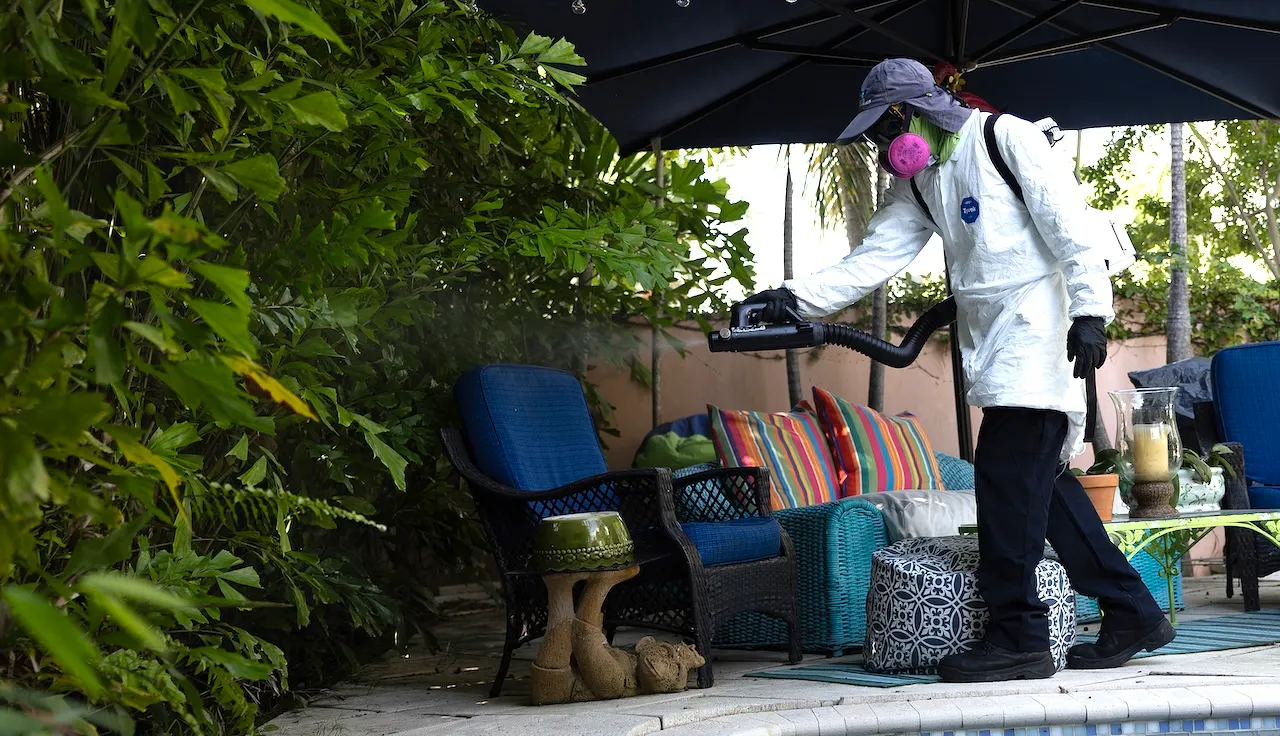
Florida’s dengue fever problem has turned into a fast-moving public health fight, with three southern counties moving to emergency footing as local case counts keep climbing. Officials in Hillsborough, Pinellas and Pasco are pushing mosquito control harder, while doctors and health agencies are warning residents not to shrug off the risk just because dengue is better known in the tropics.
As of Sept. 23, each county had declared a state of emergency tied to the mosquito-borne illness. That gives local leaders room to speed up spraying, make urgent purchases, and coordinate response efforts without getting bogged down in delay. In Florida, those declarations are short-lived unless renewed, which keeps the pressure on officials to act quickly and keep the public informed.
The latest state surveillance numbers show 190 locally acquired dengue cases across six Florida counties through Sept. 19. Hillsborough has been hit the hardest by far, with 170 of those cases, while Pinellas and Miami-Dade each reported seven, Orange had three, Pasco had two, and Palm Beach had one. Those figures do not include infections linked to travel, which are tracked separately.
Dengue is not a minor bug. It is a viral disease spread by mosquitoes and can bring fever, severe aches, nausea and rash, with rare cases turning dangerous fast. Health officials say the mosquitoes behind it are active during the day and do especially well in warm, humid places like Florida, which makes the state a rough backdrop for an outbreak like this.
The emergency response is focused on cutting mosquito numbers before they spread the virus further. Crews are increasing aerial and ground treatments in areas where dengue activity is showing up, and they are also checking private properties for breeding spots. That part matters because the mosquitoes involved are container breeders, which means even tiny pockets of water can become a nursery.
Standing water is the easy thing to overlook, and that is exactly what gives mosquitoes an opening. Buckets, planters, saucers under pots, old tires, birdbaths, toys and clogged gutters can all hold enough water to fuel breeding. Public health groups are urging people to dump, drain, or cover anything around the home that collects water, because mosquito control works best when the neighborhood does it together.
Prevention also comes down to basic bite protection, especially while the weather stays hot. Experts recommend an EPA-registered repellent, following the label closely, and layering it correctly with sunscreen by applying sunscreen first. Since Aedes mosquitoes are daytime biters, protection should not be treated like a dawn-and-dusk routine.
Clothing can help too. Long sleeves, light colors and closed-toed shoes can shave down exposed skin, which matters when people are spending time outside doing yard work, walking pets or just trying to enjoy the afternoon. The message from mosquito control officials is blunt enough: if mosquitoes are around, the risk is around.
Symptoms of dengue can be tricky because many people never get sick enough to notice much at all. Others may recover within a week or two, but the virus can also progress into severe dengue, which is where the stakes jump fast. Typical symptoms start four to 10 days after an infected mosquito bite, so the source is often long gone by the time the fever shows up.
Warning signs can hit hard once the fever breaks, sometimes within a day or two. Severe stomach pain, repeated vomiting, unusual bleeding or bruising, trouble breathing, extreme tiredness, irritability or restlessness all call for immediate medical care. In a case like this, waiting it out is the wrong move, especially if the person lives in or has recently visited one of the affected counties.
