
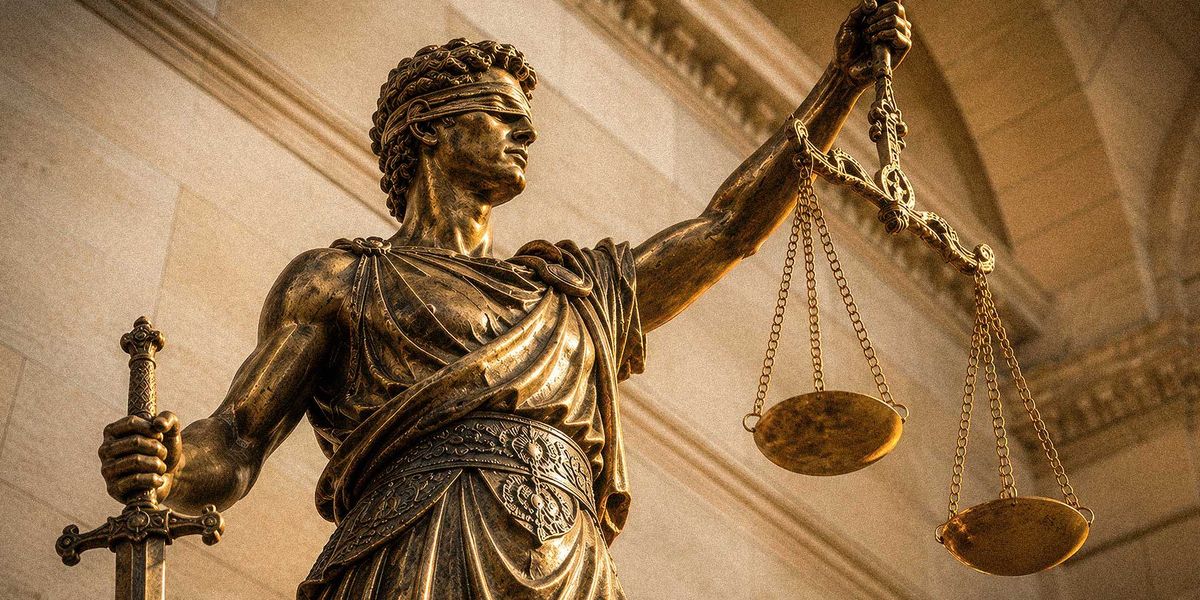
The loudest battles in American politics are often fought over language, but the real fight is over power. That is what makes the current clash around civil rights, race-based policy, and government pressure on institutions so combustible, because it cuts straight into who gets protected, who gets blamed, and who gets ignored. The argument is no longer subtle, and the people shaping it are treating law, culture, and institutions like weapons.
For years, many major corporations, agencies, and public institutions embraced diversity, equity, and inclusion programs as if they were beyond challenge. Supporters described them as necessary corrections to historic unfairness, while critics saw something much sharper, a system that sorted Americans by race and rewarded political conformity. That tension has now spilled into courts, campaigns, and everyday life, with white men increasingly framed as the group that is supposed to absorb the insult quietly.
That dynamic has not gone unnoticed by Republican voters, especially men who have watched the rules keep changing while the lectures stay the same. They hear constant talk about fairness, then see hiring, promotion, and enforcement systems that seem designed to excuse one set of people and shame another. The resentment is not complicated, and it is not hard to understand why so many have concluded that the old promises of equal treatment have been replaced by a polished new hierarchy.
The Constitution is supposed to stop that kind of favoritism, at least in theory. Equal protection was never meant to be a slogan for one side and a loophole for the other, yet race-based policy has often been defended as righteous even when it looks a lot like discrimination with better branding. Once government and large employers start dividing people into preferred and disfavored categories, the law stops feeling like a shield and starts looking like a club.
That is why lawfare has become such a loaded word. To many Americans, it now means more than lawsuits, because it suggests a system where legal tools are used to punish enemies, pressure institutions, and force compliance with elite priorities. When that pressure gets aimed at ordinary people, the message is plain: fall in line, keep quiet, and accept the new rules without complaint.
Law enforcement is part of that picture too, especially when public trust is already shaky. If agencies appear willing to bend under ideological pressure while treating political opponents like suspects, confidence collapses fast. A country cannot ask citizens to respect the law while showing them that the law itself is being bent around politics.
President Donald Trump and the Trump administration have tapped into that frustration by speaking in direct, blunt terms that a lot of voters find refreshing. The appeal is not only about policy, but also about tone, because plenty of Americans are tired of being told that every concern they raise is ignorant, hateful, or backward. When leaders say out loud what others only whisper, they can sound less polished and more honest, which matters a lot in a country that feels mocked by its own institutions.
Democrats, meanwhile, keep leaning on the language of civil rights as if that alone settles the argument. But slogans do not answer the bigger question: whether equal justice still means equal treatment, or whether it now means permanent racial sorting with a nicer name. If a policy only works by judging people first as members of a group and second as individuals, the moral high ground gets shaky very fast.
Corporations have also made themselves part of the problem by trying to satisfy every activist demand at once, then acting surprised when ordinary customers push back. They love public virtue when it brings applause, but retreat quickly when the costs show up in lawsuits, backlash, or lost trust. That kind of cowardice has helped turn a policy debate into something more personal, because people do not forget being lectured by institutions that cannot defend their own standards.
White men, especially younger and working-class men, are now being discussed in political terms that would have seemed bizarre not long ago. They are often treated as the default beneficiaries of privilege in a story that leaves little room for the struggles they actually face, from family breakdown to job insecurity to open hostility in elite spaces. The result is not just anger, but a sense that the country’s so-called moral leaders are speaking a language meant to exclude them.
The Supreme Court sits at the center of all this because every major dispute eventually circles back to what the Constitution will tolerate. If the court keeps allowing race-conscious systems to survive under softer labels, then the promise of equal protection keeps shrinking in practice. If it draws a harder line, the reaction will be fierce, because a lot of powerful people have built careers, reputations, and budgets around the old game.
That is the real fire underneath the debate. It is not just about one policy, one lawsuit, or one election cycle, but about whether America still believes in one standard for everyone. The answer will shape more than courtroom fights, because the next round of political anger is already building where people live, work, vote, and decide whether the system still plays fair.

1 Comment
VIctory if done Hooray