
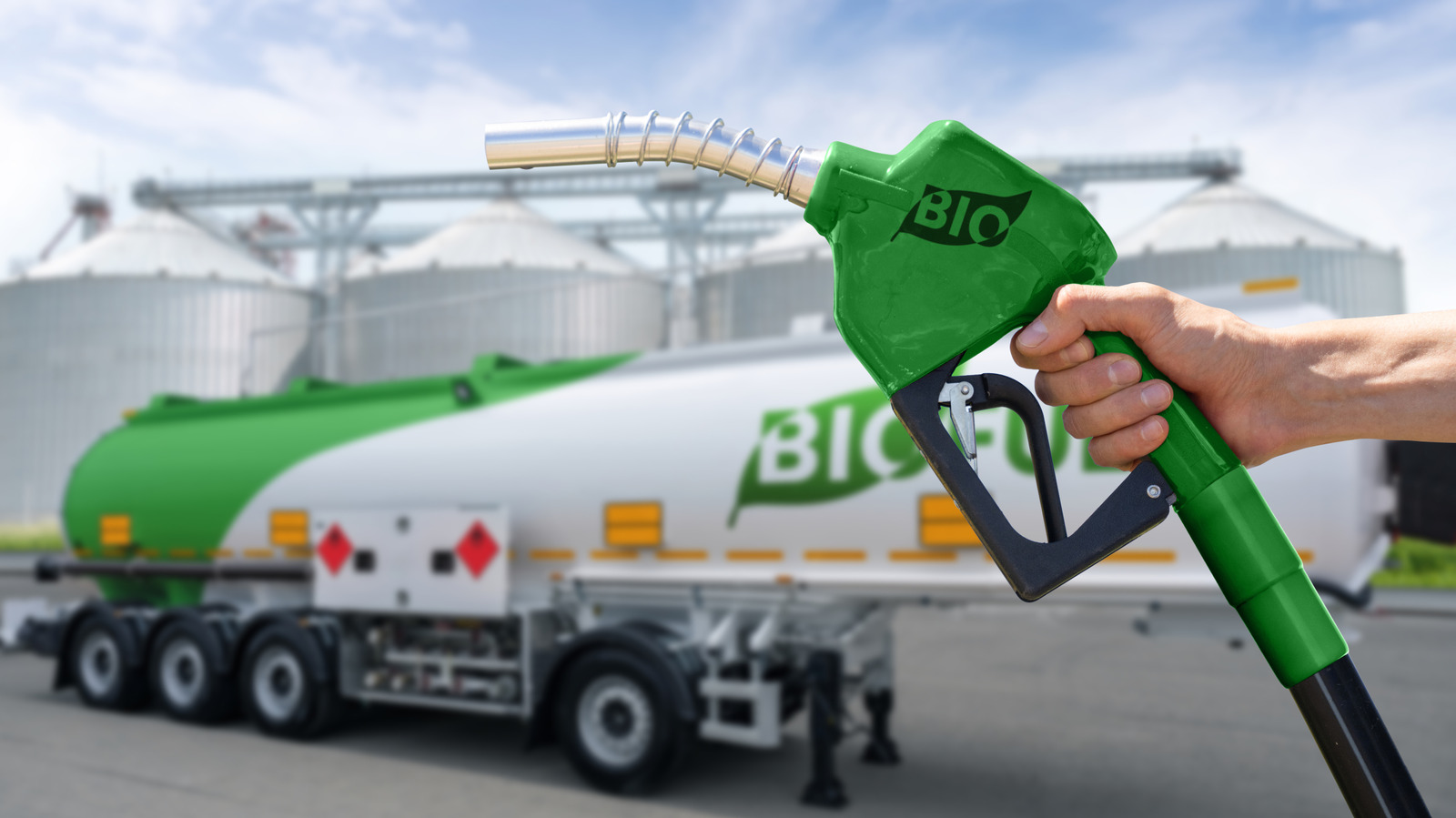
Biodiesel gets a lot of praise as a cleaner alternative to regular diesel, but the tradeoffs are real and worth understanding before you make the switch. It can be a smart option in some situations, especially when it is blended into existing fuel supplies, but the higher the biodiesel content, the more the problems start to show up. The biggest issues come down to price, performance, cold-weather behavior, storage, vehicle compatibility, and the idea that it is not automatically a perfect climate fix.
To start with, biodiesel is made from oils and fats rather than fossil fuel, which sounds simple enough until you look at the production side. Turning that feedstock into usable fuel takes more steps, more equipment, and more raw material cost than conventional diesel. That extra work is a big reason why higher blends like B99 or B100 usually cost more at the pump.
That price gap matters more than people think. A few cents here and there may not seem like much for one fill-up, but fleets burn through fuel fast, and those small differences stack up in a hurry. For commercial operators, that can mean a painful hit to operating budgets, even if the fuel brings environmental benefits.
Then there is the energy question, and this one hits directly at range and efficiency. High biodiesel blends do not pack quite as much energy per gallon as petroleum diesel, which means vehicles need more fuel to cover the same ground. B20 is usually close enough that drivers may not notice much, but once you get into stronger blends, the drop in energy density becomes hard to ignore.
Cold weather is another sore spot. Biodiesel can start forming crystals and thickening up at temperatures where regular diesel still behaves better, and that can quickly turn into gelling problems. When fuel turns sticky, flow suffers, injectors struggle, and engines can become unreliable just when you need them most.
Storage can be a headache too, especially if the fuel sits around for too long. Biodiesel is more vulnerable to oxidation than conventional diesel, and that can increase acidity, create gums, and wreck fuel quality over time. If it is not stored properly, the fuel can become a mess that damages parts and clogs the system.
There is also the hardware side of the story. Many modern vehicles can handle lower blends like B20 without drama, but pure biodiesel and very high blends can be too thick for standard fuel systems. In those cases, vehicles may need specialized parts or upgrades to keep everything running smoothly, which adds another layer of cost and complexity.
Environmental benefits are real, but they are not automatic. Biodiesel made from waste oils or animal fats can offer strong emissions reductions, yet crop-based biodiesel raises tougher questions about land use, deforestation, and whether fuel production starts competing with food production. That makes the sustainability picture more complicated than the marketing sometimes suggests.
Even so, biodiesel is not standing still. Better production methods, cleaner feedstocks, and new fuel technologies are pushing it forward in ways that could make it more practical over time. For now, though, anyone thinking about switching should know that biodiesel comes with a solid list of drawbacks, and those drawbacks can be just as important as the promise of greener fuel.
