
Small drones have gone from novelty gadgets to serious little cameras that can slide into a pocket, tuck into a jacket, or vanish into a backpack without hogging all the room. That shift changed the whole vibe of aerial photography, making it easier to grab smooth, cinematic shots without hauling around a bulky machine. The lineup below leans hard into portability, with a mix of ultra-light models, foldable designs, and budget picks that keep the door open for almost anyone.
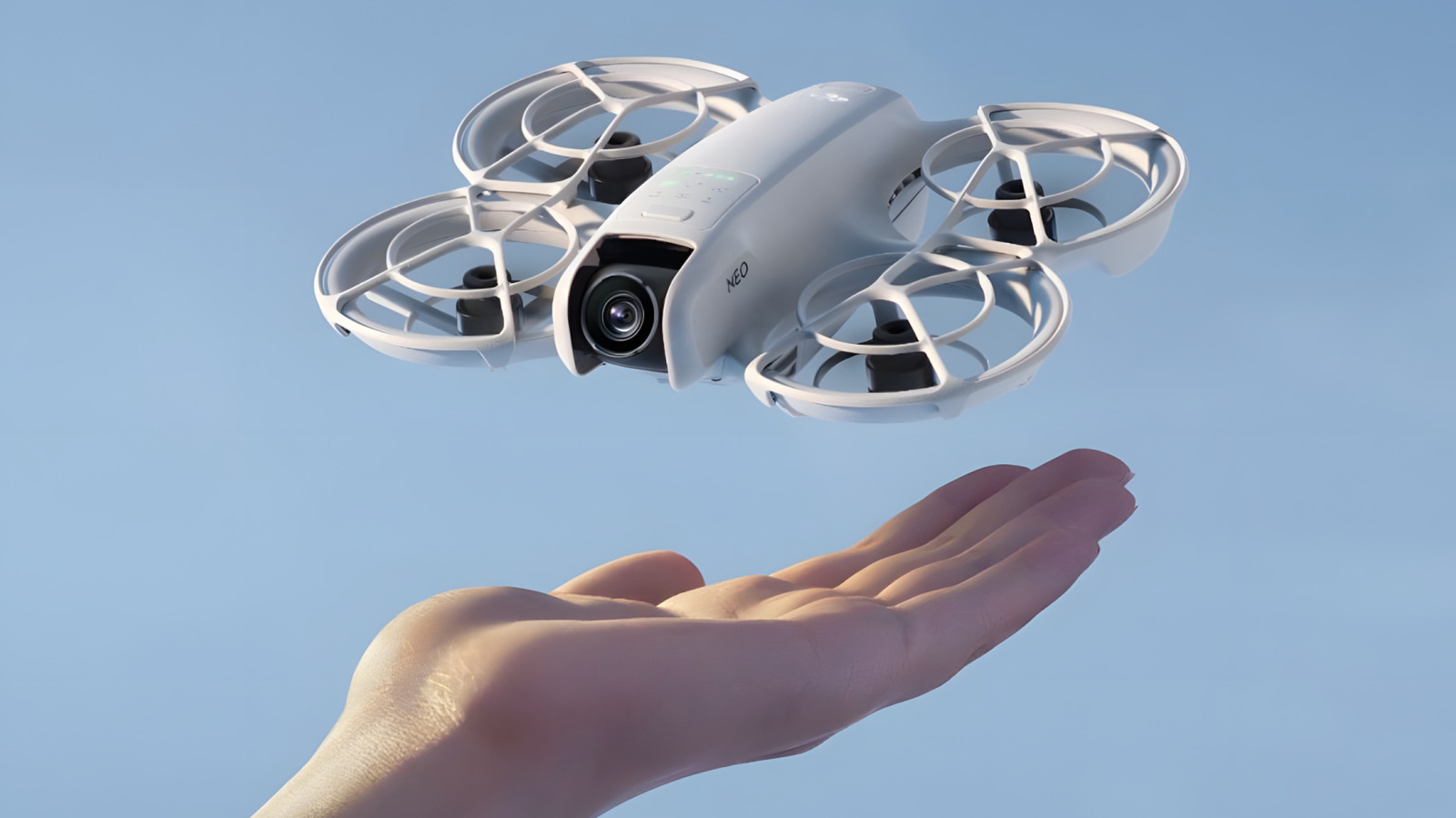
DJI still dominates this space, and it is easy to see why. The Neo is the friendly entry point, light enough to feel almost unreal and simple enough to launch from the palm of a hand, while the Neo 2 adds sharper video, smarter obstacle handling, and a few extra tricks for people who want more polish without jumping to a giant rig.
The Mini series pushes the idea further. The Mini 4K folds down small, stays under the 249-gram line, and gives users stabilized 4K video with a real controller in the box, while the Mini 5 Pro turns the dial way up with a bigger sensor, night shooting, LiDAR-assisted avoidance, and more professional-grade camera control packed into a body that still fits the backpack-friendly brief.
Not every strong option comes from DJI, though. HOVERAir makes a loud case for the “set it and forget it” crowd, with the X1 and X1 Pro series focusing on automatic tracking, palm takeoff, and tiny folded dimensions that feel almost toy-like until the footage starts rolling. The tradeoff is easy to spot: less resolution on the base model, pricier upgrades on the Pro line, and a bigger emphasis on convenience than manual tinkering.
Potensic also brings real muscle to the budget-friendly end of the market. The ATOM SE keeps things light, folds up neatly, and offers a respectable feature set for the money, while the ATOM 2 boosts photo resolution, adds better tracking, improves range, and somehow keeps the same compact footprint. That kind of value is hard to ignore when the goal is simple portability without a painful price tag.
Then there are the lesser-known names that still deserve attention. Ruko’s U11MINI 4K (RC3) lands in the pocketable conversation with stronger camera specs and a bundled screen controller, while the RELIDOL 1080P Camera Drone cuts the cost way down for people who just want to test the waters. The image quality and build quality sit in a different universe from the premium models, but the price makes that easier to forgive.
What ties all of these drones together is not just size, but the idea that size no longer means compromise in the old sense. These machines can shoot stabilized footage, follow subjects, dodge obstacles, and return home, all while staying light enough to carry on a hike, a vacation, or a casual day out. That mix of portability and camera power is exactly why the category keeps growing, and why tiny drones no longer feel like a backup plan.
The real trick is knowing what kind of compact drone fits the job. Some models are built for casual, hands-off flying, while others lean into better sensors, longer range, or more control for people who want their shots to look sharp and deliberate. There is plenty of room between a pocket toy and a heavy-duty aerial camera, and that middle ground is where these mini drones keep getting more interesting.
