
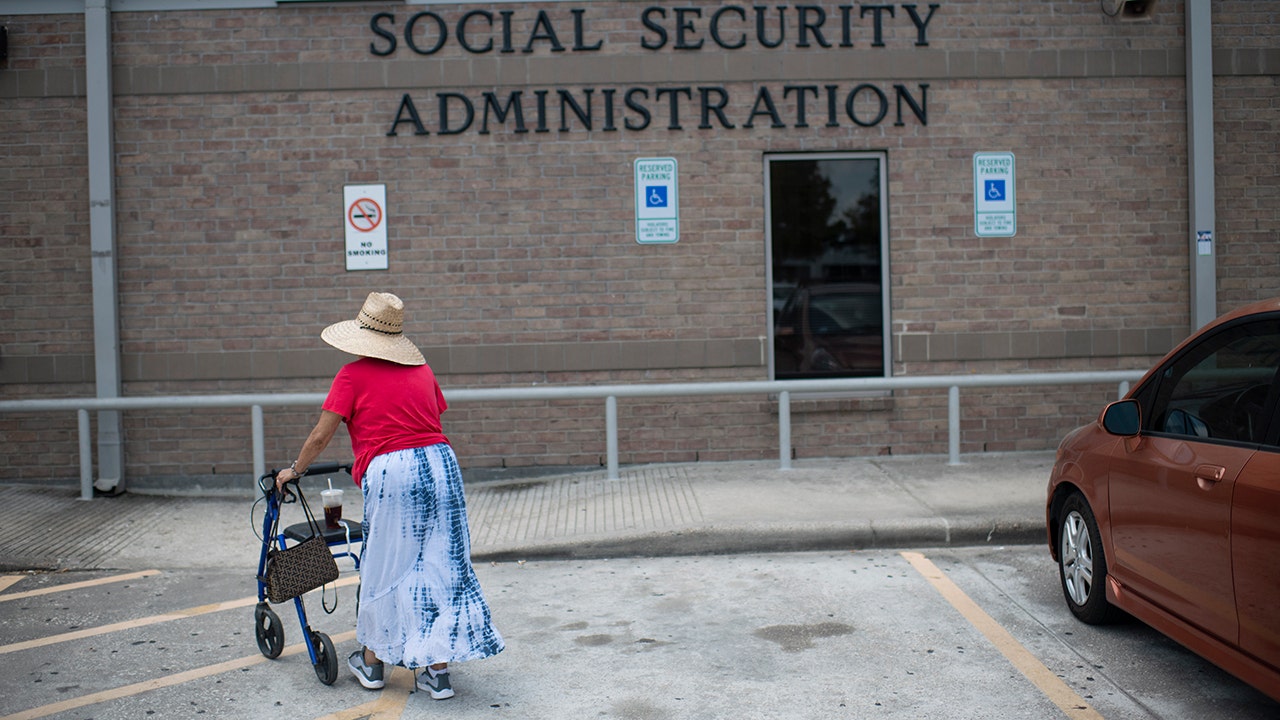
Social Security’s next benefit bump is giving retirees a little extra breathing room, but it also throws a harsh light on a program that is getting closer to a major funding crunch. The 3.6% cost-of-living increase for 2027 will lift monthly checks, yet the long-running debate over how to keep the system stable is only getting louder. The result is a mix of relief, concern, and a fresh round of pressure on Washington.
Beneficiaries are set to see the increase take effect with December benefits paid in January, and for many older Americans, that will be welcome news. The average retired worker’s monthly payment is expected to rise by about $75, from $2,095 to $2,170, according to estimates cited by AARP. It is the biggest COLA in four years, and it comes after a 2.8% adjustment this year.
The boost is tied to inflation, which has remained stubborn enough to keep Social Security adjustments moving higher. September’s reading showed a 3.9% year-over-year rise in the Consumer Price Index for Urban Wage Earners and Clerical Workers, the measure used to set the annual increase. In plain terms, the math is simple: when prices keep climbing, the program tries to keep up.
That is where the cheer starts to fade. The same COLA that helps retirees also puts a brighter spotlight on the program’s financial strain, especially with the retirement trust fund moving closer to depletion. The Committee for a Responsible Federal Budget says beneficiaries could face a 22% across-the-board cut in 2032 if Congress does nothing, a scenario that would hit millions of households hard.
For many seniors, the higher check still will not feel like a windfall once everyday costs are counted. Groceries, utilities, insurance, and healthcare continue to bite, and the standard Medicare Part B premium is projected to rise by $6.60 per month in 2027 to $209.50. That means a chunk of the increase may vanish before it ever reaches the kitchen table.
The new COLA also does not hit everyone the same way. The average retiree may gain roughly $900 a year, but higher-benefit recipients could see increases above $2,200, and some of the highest-earning couples retiring at normal retirement age could get a combined increase of about $3,600. In those cases, annual benefits could climb past $100,000, which only deepens the debate over who needs the most help and how the system should be structured.
That argument lands at a time when younger Americans are already feeling squeezed in a different way. A Federal Reserve report released in May found that only 63% of adults ages 18 to 29 said they were doing okay financially or living comfortably in 2025, compared with 83% of adults 60 and older. Nearly half of adults under 30 also needed help from outside their household to cover expenses during the year.
That gap matters because today’s workers are the ones paying payroll taxes that keep Social Security running. The trustees’ 2026 report says the program’s reserves are expected to run dry in 2032, after which incoming revenue would cover only about 78% of scheduled retirement and survivor benefits unless the law changes. That is the part nobody in Washington can keep dodging forever.
Policy groups are already arguing over the fix, and the choices are not especially comfortable. CRFB wants the COLA formula changed, possibly by using a different inflation measure or capping increases for higher-income beneficiaries, along with new revenue and other benefit reforms. AARP takes the opposite view and says annual adjustments are already too small to keep pace with real-world expenses for older Americans.
That clash is now baked into every discussion about the program’s future. The check arriving next year may be larger, but it also arrives with a built-in warning label, and the numbers behind Social Security are forcing a conversation that is no longer easy to ignore.
