
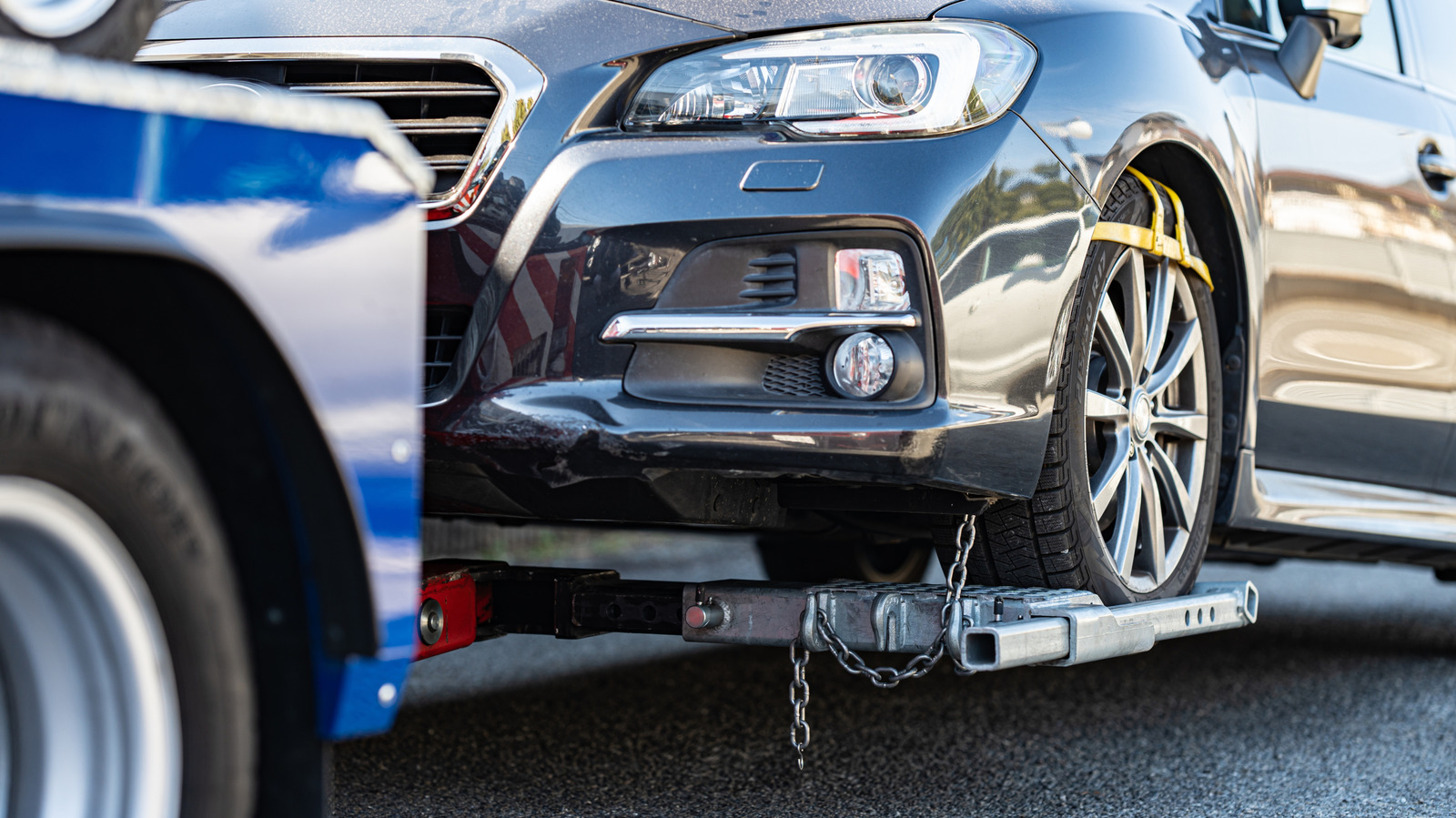
The indictment tied to a Denver-area towing operation paints a messy, expensive picture of what happens when a service that should help stranded drivers turns into a machine for theft and fraud. Prosecutors say the case stretches across years, involves a dozen defendants, and reaches deep into fake paperwork, stolen cars, and pressure tactics aimed at people who were already having a bad day. The accusations also show how quickly a routine tow can spiral into something far more damaging when the people in charge decide to abuse the situation.
According to the allegations, towing crews working around traffic accidents used those scenes as hunting grounds. Drivers who were shaken up after crashes were told their cars needed to be moved, then later faced steep charges to get them back. In one account, a victim said a tow operator showed up after claiming to have received an emergency alert, then later pushed for a title transfer when payment did not come through.
That kind of pressure hits hardest when someone is vulnerable and just trying to get through the moment. A crash victim is often worried about injuries, police reports, and how to get home, not about being boxed in by a tow yard demanding cash or paperwork. When a business leans on fear and confusion like that, it stops looking like roadside help and starts looking like a trap.
The indictment goes beyond predatory towing. Prosecutors say the same network was also involved in stealing high-end vehicles, including luxury models, and in some cases altering vehicle identification numbers to make the cars harder to trace. That is the sort of detail that turns a local scam into a broader criminal enterprise, because it suggests planning, concealment, and an effort to turn stolen property into profit.
There is also the paperwork side of the case, which can be just as important as the physical theft. Officials allege that fraudulent documents were used to wipe out liens and clear the way for cars to be sold even when the loans were still outstanding. That matters because it shows the scheme was not only about grabbing vehicles, but also about breaking the paper trail that keeps ownership honest.
Insurance companies and the Colorado Department of Revenue were reportedly dragged into the mess as well. Those kinds of allegations usually point to a broader web of false claims and administrative tricks, where the goal is to make stolen property look legitimate long enough to cash out. Once that happens, the damage spreads well beyond the original car owner.
Cases like this also shine a light on how much trust the public places in towing companies. Most people expect a tow truck to be part of the solution after a breakdown or collision, not part of the problem. When that trust gets abused, it can leave victims with bills, lost transportation, and a whole lot of frustration before they even have time to process what happened.
The scale of the indictment suggests prosecutors believe this was not a random string of bad decisions. With 187 counts and millions in alleged losses, the case reads like a coordinated setup built to squeeze money from people, move vehicles around, and blur the line between legal towing and outright theft. That is the kind of conduct that can shake confidence in an entire industry if it is left unchecked.
What makes the allegations sting even more is how ordinary the starting point sounds. A crash, a tow, a storage yard, a release fee, then a demand that keeps growing until the victim is backed into a corner. By the time the paperwork is sorted out, the car may already be gone, the title may be in dispute, and the trail may lead far past the original roadside scene.
For drivers, the case is a reminder to slow down and verify every step when a tow is involved. For investigators, it is a chance to show how fraud can hide inside a service people often take for granted. And for the victims, it is a small bit of vindication to see a scheme like this dragged into the open, where the excuses do not matter nearly as much as the facts.
