
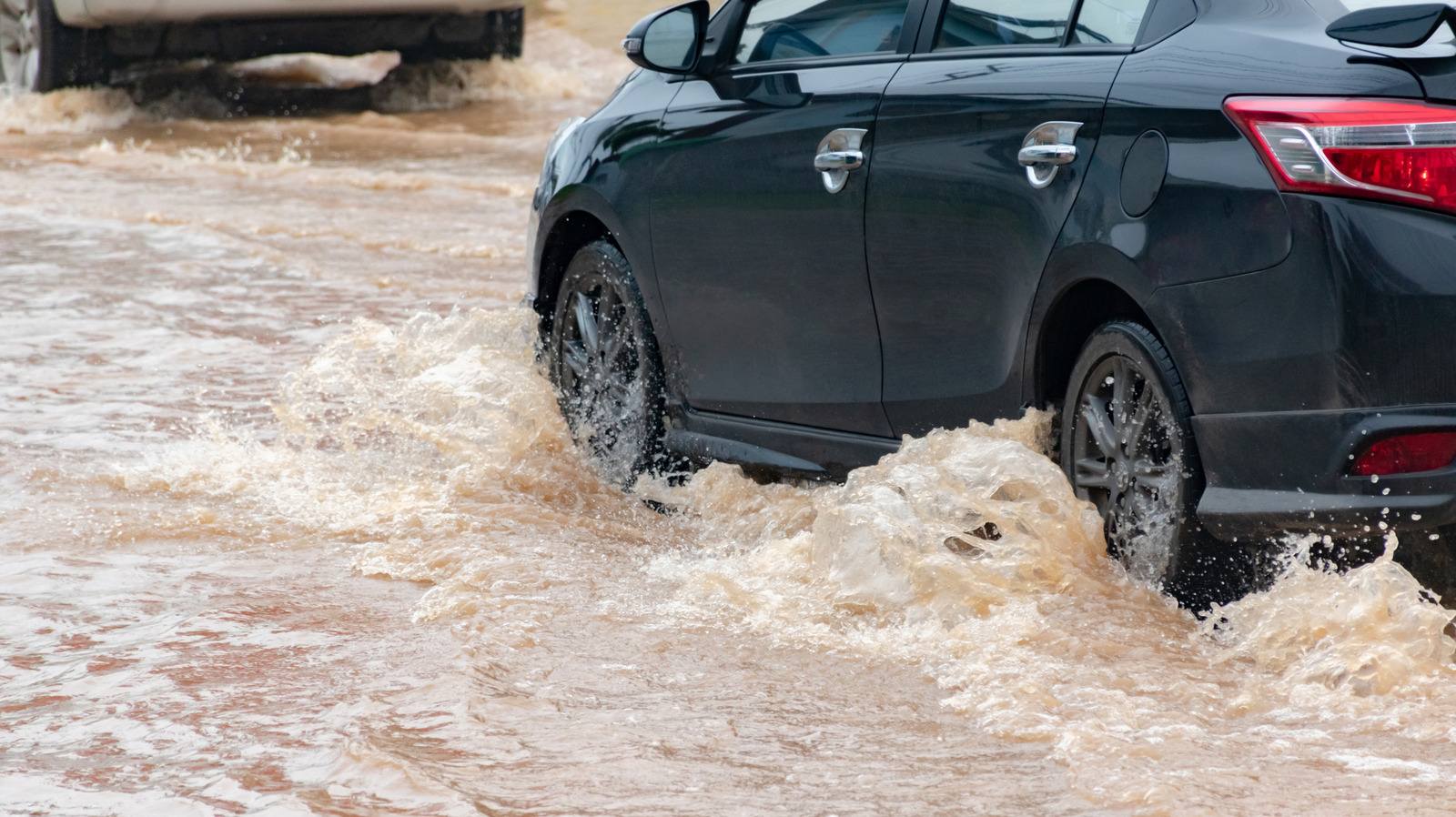
Flood damage can turn a solid car into a headache fast, but not every soaked vehicle is automatically a lost cause. The key is figuring out how far the water got, what it touched, and whether the repair bill makes sense compared with the car’s value. Sometimes a careful cleanup and inspection can bring a vehicle back, and sometimes the smartest move is to cut your losses before hidden damage turns into a money pit.
The first thing to look at is the water level. If the floodwater only reached the floor, there may still be a path forward, but the car needs to be dried out, cleaned thoroughly, and checked from bumper to bumper. Once water reaches the engine bay, the risk jumps hard, because major mechanical parts and sensitive electronics can take a beating that is far more expensive to sort out.
Saltwater makes the situation even uglier. It can speed up corrosion and eat away at parts long after the car looks clean on the surface, which is why some flood-damaged vehicles end up totaled. That is the point where pouring more cash into repairs may not be the smartest play, especially if the damage is already deep enough to threaten the engine or electrical system.
Even if the car seems to run fine after the flood, trouble can still show up later. Moisture can hide in wiring, connectors, and interior materials, then trigger problems weeks or months down the road. Rust and corrosion also have a sneaky way of spreading, so a vehicle that looks decent today may still have a rough future waiting under the hood and beneath the carpet.
That is why a professional inspection matters so much. A technician can spot damage that a quick once-over might miss, from electrical issues to signs of trapped water in places that are hard to reach. If you are trying to decide whether to repair the car or walk away, getting a real assessment is the best way to avoid making an expensive guess.
When repair costs climb higher than the car’s actual value, the vehicle may be declared a total loss and receive a salvage title. That does not always mean the car is finished forever, because some salvaged vehicles can be repaired and returned to the road after passing inspection. If that happens, the title can sometimes be changed to rebuilt, but the flood history stays attached to the vehicle.
That history is exactly why used-car buyers need to be careful. A flooded car can be cleaned up so well that the warning signs are easy to miss, especially if someone is trying to unload it quickly. In some cases, a seller may move the vehicle across state lines or mess with paperwork to make it seem cleaner than it really is, which makes the buyer’s job a lot harder.
Still, flood damage often leaves clues behind. Musty smells, water stains, muddy residue, or suspicious corrosion can all point to a car that spent time underwater. If something feels off, it is worth getting the car checked by a trusted technician and reviewing its history before money changes hands.
For buyers, the real danger is paying for a vehicle that looks fine on the outside but has a long future of electrical glitches, rust, and surprise repairs. For owners, the challenge is deciding whether the car is worth saving or whether the damage has already crossed the line. Either way, the best move is to slow down, inspect carefully, and treat flood damage like the serious problem it is.
