
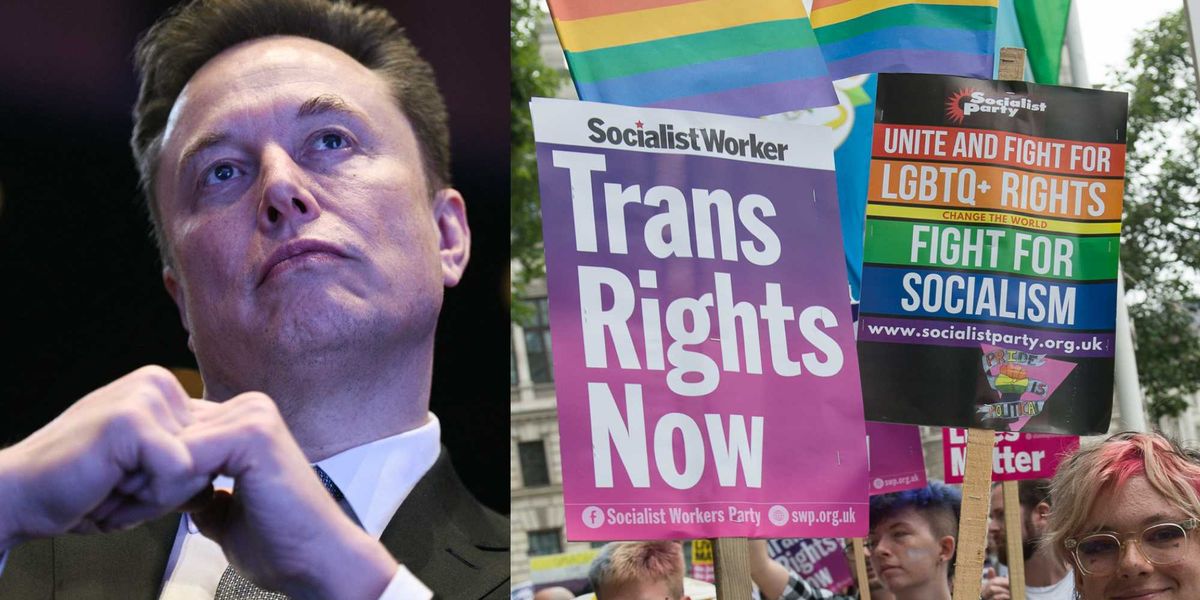
The latest uproar around Elon Musk and the Zizian trans cult claim has turned into a nasty online spectacle, with one trans-identifying liberal reportedly taking things way too far. The reaction has sparked fresh attention on the bizarre corners of internet politics, where threats, rage, and cultlike behavior can blur together fast. It also puts a spotlight on how quickly a comment can set off a wave of ugly outrage.
The flashpoint centers on Musk and a post tied to the Zizians, a fringe trans-linked group that has already drawn attention for its disturbing reputation. What should have stayed a messy online argument instead erupted into something darker, with the kind of language that makes people stop and ask how far this stuff is going to go. When public figures get dragged into these fights, the temperature rises immediately, and the internet does what it does best, which is make everything louder and meaner.
That is part of what makes this story so unsettling. A political or cultural disagreement online can move from snark to menace in a heartbeat, and once that happens, the conversation stops being about ideas and starts being about intimidation. People watching this unfold are left with a pretty basic question: why does every dispute have to turn into a threat?
Elon Musk has a way of becoming the center of these storms, whether he is talking about free speech, tech, politics, or just tossing out a blunt remark that gets everybody fired up. In this case, the response appears to have brought out the ugliest instincts in the online crowd, especially from activists who seem more interested in outrage than reason. That is not some edge case anymore, because social media has made public hostility feel normal.
The Zizian angle adds another layer of unease. Fringe movements thrive when they live on the margins, where confusion, ideology, and personal grievance can feed one another without much scrutiny. Once those circles get tied to violent talk or extreme behavior, the whole thing stops looking like a niche internet oddity and starts looking like a warning sign.
There is also a broader cultural problem here. Too many people now treat political hatred like a personality trait, and they bring that mindset straight into every platform they touch. That is how you get people cheering, provoking, and escalating instead of arguing like adults, and it leaves normal folks wondering why the loudest voices always seem the most unstable.
The real damage from this kind of episode is not just the threat itself, but the way it lowers the standard for everyone else. Once public discourse gets soaked in that level of hostility, restraint starts looking weak and basic decency starts looking optional. That is a bad trade, no matter what side somebody thinks they are on.
Musk keeps attracting strong reactions because he is not afraid to push back, and that clearly makes him a target for people who want total control over the conversation. But the response matters too, because when outrage jumps straight to violent rhetoric, it exposes something deeper than disagreement. It shows a culture that is losing its grip on self-control, and that should concern anybody paying attention.
